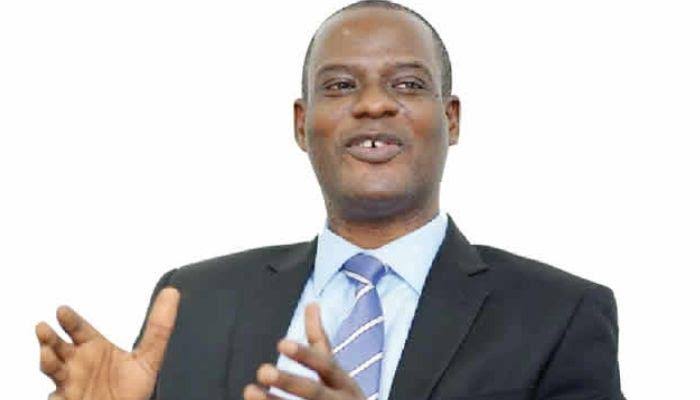
Chairman of Presidential Fiscal Policy and Tax Reforms Committee, Taiwo Oyedele, has said tax authorities in Nigeria do not have the power to debit bank accounts of taxpayers without first obtaining court rulings.
Gatekeepers News reports that Oyedele made the clarification during an appearance on Arise Television amid growing public concerns that newly gazetted tax laws allow officials to withdraw money from bank accounts without judicial approval. He dismissed the claims, saying the interpretation being circulated was misleading.
According to him, deductions from a taxpayer’s bank account can only occur after the tax liability has been fully established and confirmed through the courts.
He said,” Before you get to this power of substitution, that tax liability must be final and conclusive. You have to go through that process that involves stages of the courts.”
He explained that the process starts with a tax assessment issued to the taxpayer, followed by the opportunity to object. If the dispute is unresolved, the case moves to the Tax Appeal Tribunal and can progress through the High Court, the Court of Appeal, and the Supreme Court.
The chairman said, “That is when that tax is final and conclusive. “That is when the taxman can come to you.”
Oyedele added that the authority often referred to as the power of substitution is not new and already exists under Nigeria’s current tax framework, stressing that it has always been subject to strict legal procedures.
He cautioned against sensational reports that could trigger panic among bank customers.
Oyedele said, “I know the headline tomorrow will now be that I said they can take money from a bank account. We’re careful not to have a run on banks.”
The tax reform committee chairman also rejected claims that the recently gazetted tax laws were fake or had been secretly amended to remove the role of the courts.
He said there was no verified evidence to support such allegations saying, “ I don’t think it would be productive to start discussing alleged alterations that we don’t even know where they came from.”
Oyedele further noted that some controversial provisions being circulated, including claims that taxpayers must pay a deposit before filing appeals, do not appear in the Nigeria Tax Administration Act.
He acknowledged that confusion arose partly because a harmonised version of the tax bills passed by the National Assembly had not yet been officially published.
The chairman said, “If the harmonised version had been published, we wouldn’t even be having some of these allegations.”
While responding to calls for the suspension of the new tax laws, Oyedele said halting the reforms would be difficult, as some aspects, including the creation of the Nigeria Revenue Service, have already taken effect. He warned that disrupting revenue collection could create serious economic challenges.
Oyedele said, “In tax matters, if you come in the way of revenue generation, even for one month, that’s a crisis.”
He urged Nigerians to read the tax laws in full rather than focusing on isolated sections, noting that selective interpretation has fueled unnecessary fear.