Mali and Burkina Faso have announced travel restrictions on citizens of the United States.
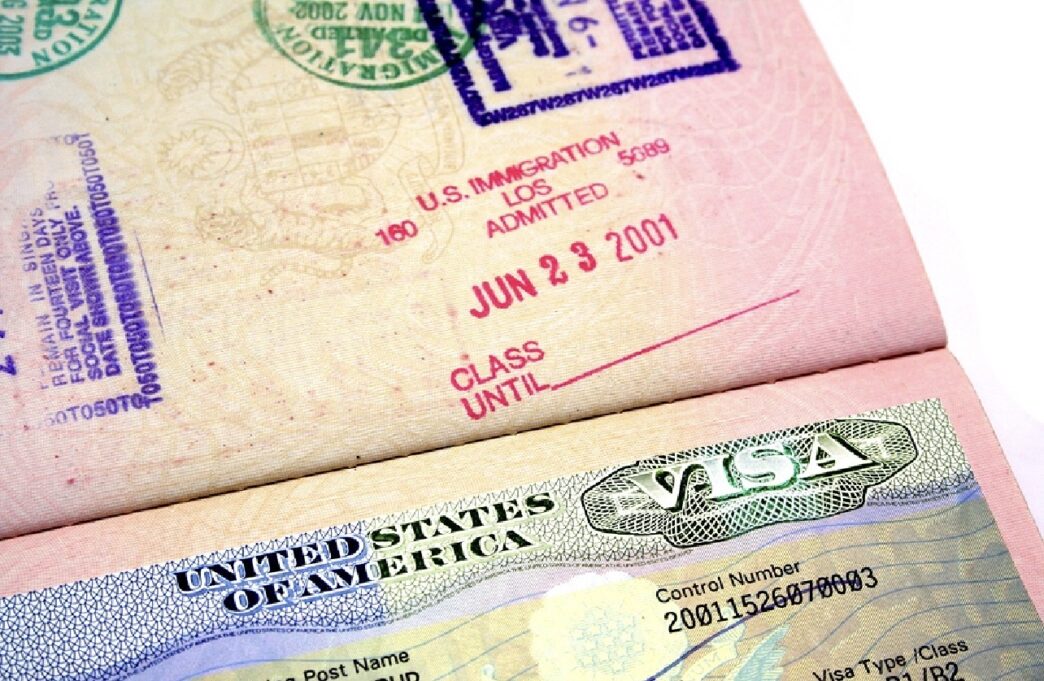
Gatekeepers News reports that the development is in response to Washington’s decision to impose a permanent visa ban on nationals of the two countries.
The governments said the action follows the principle of reciprocity after the United States expanded its immigration restrictions to include both Sahelian nations.
In separate statements issued on Tuesday, the two West African countries said the US decision was taken without prior engagement and does not reflect current realities.
Mali’s Ministry of Foreign Affairs and International Cooperation said it regretted the lack of consultation, adding that the security reasons cited by the US do not align with developments on the ground.
The ministry said, “In application of the principle of reciprocity, the government of the Republic of Mali will apply, with immediate effect, to American nationals the same conditions and requirements as those imposed on Malian citizens.”
It added that the justification provided by the US contradicts the real developments on the ground and suggested that other motives may be behind the decision.
Burkina Faso also confirmed similar measures. Its Minister of Foreign Affairs, Karamoko Jean-Marie Traoré, said the country would enforce equivalent visa conditions on US citizens.
He said, “The government of Burkina Faso has taken note of the decision announced on December 16, 2025, by the authorities of the United States of America regarding the strengthening of entry restrictions on their territory.”
Traoré described the US action as inconsistent with the principles of sovereign equality and mutual respect between states.
The travel restrictions stem from a broader immigration policy announced by the White House under President Donald Trump, which permanently limits visa issuance and entry for nationals of several countries.
US authorities said the measures are based on national security concerns, including weaknesses in identity management systems, gaps in information sharing, and high visa overstay rates.
The expanded policy is scheduled to take effect from January 1, 2026, and places Mali and Burkina Faso among more than 20 countries facing full or partial entry bans.
Despite the diplomatic tension, both governments said they remain open to cooperation with international partners, but only on the basis of mutual respect and equal treatment.
The two countries, which are currently under military-led administrations following coups, have experienced strained relations with Western nations in recent years over governance, security partnerships, and foreign policy direction.
This has also pushed them to strengthen regional alliances and reduce reliance on traditional Western partners.