

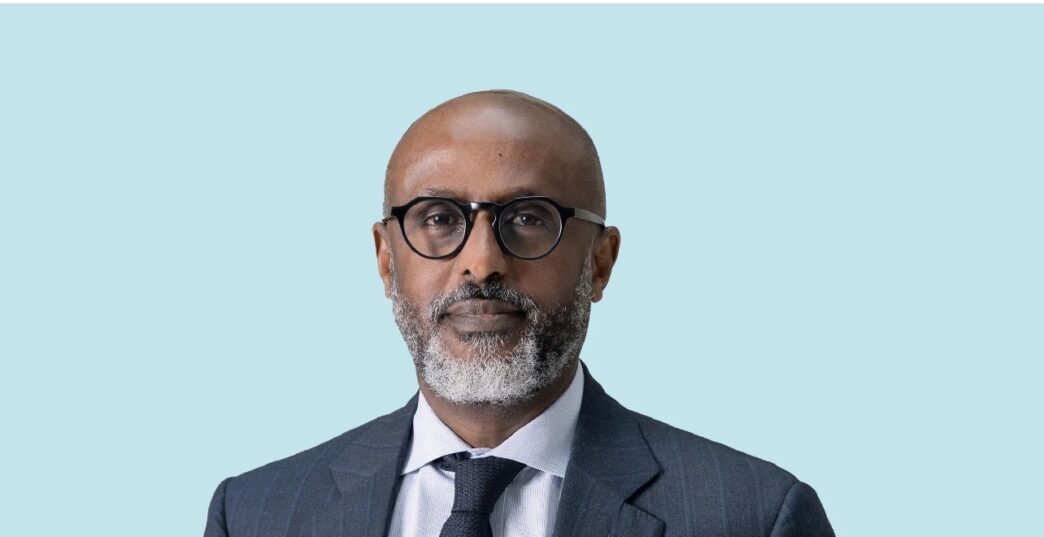
International Monetary Fund (IMF) has announced that Abebe Selassie will retire as director of its African Department on May 1, 2026, ending a decade-long tenure leading the Fund’s engagement across sub-Saharan Africa.
Gatekeepers News reports that IMF Managing Director Kristalina Georgieva praised Selassie for steering the department through periods of significant economic and global challenges, including the COVID-19 pandemic, rising inflation, and major shifts in international trade policies. She highlighted his leadership in responding to surging program demand and addressing the evolving needs of 45 African countries.
Georgieva said, “Under his leadership, AFR helped reinforce the Fund’s role as a trusted partner to our African members”. He championed tailored policy advice, capacity development, and additional support for fragile and conflict-affected states.”
Selassie is credited with modernising the department’s operations, strengthening collaboration across IMF divisions on debt resolution, poverty reduction, and Growth Trust financing, and enhancing resilience to economic shocks. His tenure also saw the addition of a 25th chair to the IMF Executive Board, increasing sub-Saharan Africa’s representation.
Georgieva noted that Selassie’s strategic vision and diplomatic skill left a lasting impact on the Fund, aligning its work with the aspirations of Africa’s youth for strong economies, good governance, and sustainable prosperity.
Selassie, an Ethiopian national, joined the IMF in 1994 and has served in multiple senior roles, including deputy director of the African Department, mission chief for Portugal and South Africa, division chief of the Regional Studies Division, and senior resident representative in Uganda.
His career also includes contributions to programs in Turkey, Thailand, Romania, and Estonia, as well as work on policy reviews, operational evaluations, and economic research.
Georgieva expressed personal gratitude for Selassie’s guidance, saying his leadership strengthened the IMF’s mission in Africa and left a legacy of effective engagement with the region.