

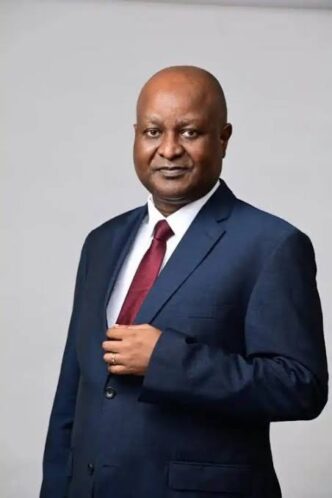
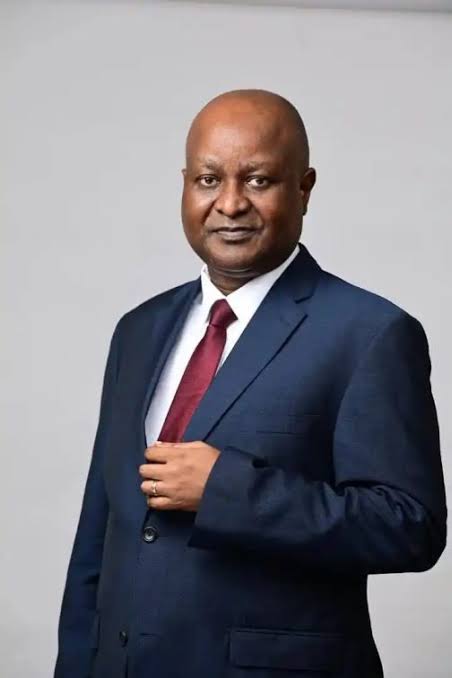
A former Deputy Governor of the Central Bank of Nigeria (CBN), Dr Tunde Lemo, has said Nigeria narrowly avoided economic collapse due to the economic reforms and tax measures introduced by President Bola Tinubu, adding that the economy is now showing signs of recovery.
Gatekeepers News reports that speaking on Frontline, a current affairs programme on Eagle 102.5 FM, Ilese-Ijebu, and monitored by The Guardian, Lemo said the country is “beginning to see light at the end of the tunnel” after a difficult year marked by far-reaching reforms.
According to him, Nigeria’s economy has shown resilience, citing declining inflation, improved exchange rate stability, and easing food pressures toward the end of 2025.
“We thank God because we are beginning to see light at the end of the tunnel. The economy is resilient,” Lemo said.
While acknowledging that prices remain high, the former banker noted that both headline and food inflation have been moderating steadily.
He described December 2025 as a turning point, attributing improved food availability and lower prices to the removal of fuel subsidy.
“For the first time in December, we didn’t need to queue up for food. Those who bought right will tell you prices were about 20 per cent cheaper than the previous year,” he said.
Lemo maintained that the economic reforms introduced at President Tinubu’s inauguration, though painful initially, are already yielding positive results.
“So you can see that the reform that Mr President started with on his day of inauguration, we are already reaping the benefits.
Yes, subsidy has been taken away, there were price spikes when that happened, but that has brought in sufficient products for us, so much so now that we don’t have to be running helter-skelter and looking for wealth. And then of course, prices are trending downwards,” he said.
Defending the government’s new tax regime, Lemo dismissed arguments that its timing is inappropriate.
“When will it be the right time to pay tax? It is only in Nigeria that people do not want to pay tax but want the government to provide everything,” he said.
He stressed that taxation is central to effective governance and warned that excessive borrowing or reliance on central bank financing fuels inflation.
“The government largely spends tax money on other crimes. If we don’t pay tax, where do we expect funding to come from?” he asked.
Lemo also noted that the new tax law exempts traders with an annual turnover below ₦100 million, insisting that the policy protects low-income earners.
“Would a woman selling pepper by the roadside make ₦100 million a year? The new tax law protects the poor more than the rich. The elites are the most vocal in this criticism. The poor don’t even have access to these conversations. The elites are using them as mouthpieces,” he said.