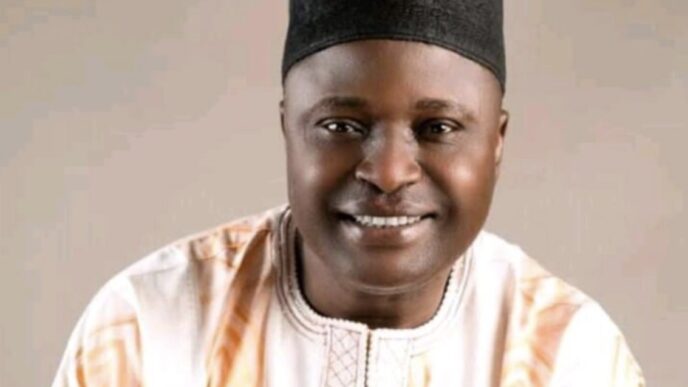
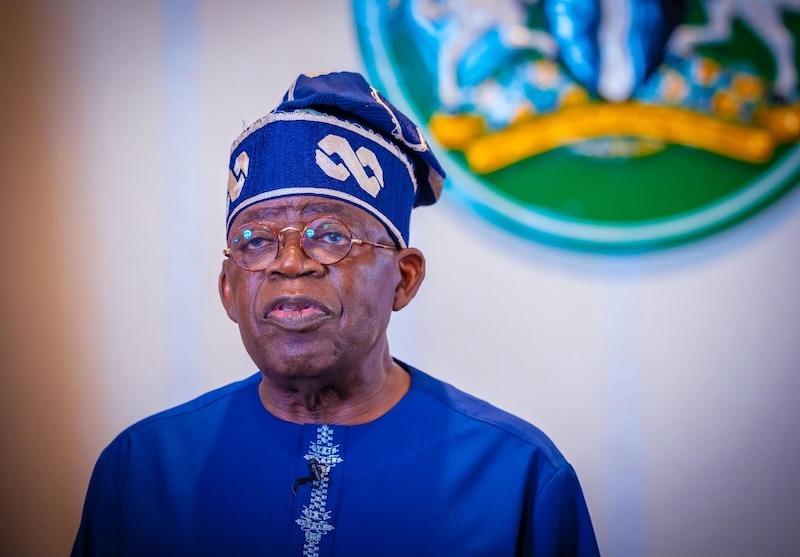
A chieftain of the All Progressives Congress (APC) in Abia State, Prince Paul Ikonne, has explained that the growing nationwide mobilisation of Ndigbo in support of President Bola Ahmed Tinubu ahead of the 2027 general election is driven by the need to end political isolation, safeguard economic interests, and reposition the South-east within Nigeria’s power structure.
Gatekeepers News reports that Ikonne, a former Executive Secretary and Chief Executive Officer of the National Agricultural Land Development Authority (NALDA), said leaders from the South-east have adopted a strategic approach that prioritises alignment with the federal government as a pathway to political relevance and economic survival.
Speaking on Politics Tonight on TVC on Tuesday, Ikonne said the mobilisation effort goes beyond the South-east, targeting Igbo communities across the country.
“This is not just about votes from the South-east. Governor Hope Uzodinma has put together a team, which I am part of, to go round the states where Igbos reside, to sensitise them on the need to support President Tinubu’s re-election in 2027,” he said.
According to him, the widespread economic presence of Igbos across Nigeria makes constructive engagement with the government at the centre essential.
“We are traders and business people spread across Nigeria. Aligning with the centre helps our businesses. No Igbo person wants this region to continue to stay outside power,” Ikonne said.
He attributed the recent wave of defections to the APC in the South-east to this strategic calculation, arguing that the scale of political realignment demands overwhelming electoral support for the ruling party.
“With the calibre of leaders now in the APC in the South-east, even 90 per cent will not be a good result for us, considering the level of decampments and political harvest we are recording,” he stated.
Using Abia State as an example, Ikonne claimed that the Peoples Democratic Party (PDP) structure in the state has largely collapsed into the APC, adding that similar developments are occurring across the region.
“What that tells you is that votes previously lost are now being recovered. The political structures are coming together, and the numbers will follow,” he said.
Ikonne also said the South-east’s renewed engagement with national politics has weakened opposition parties in the region, particularly the Labour Party and its 2023 presidential candidate, Peter Obi.
He further downplayed the political influence of Abia State Governor, Alex Otti, describing him as politically isolated.
“Our governor is minus one. He does not even have a functional party. He has effectively abandoned Peter Obi,” Ikonne said.
According to him, the endorsement of President Tinubu by serving and former governors, ex–Senate Presidents, ministers and other prominent political figures from the South-east signals a deliberate return of the region to the political mainstream.
“The calibre of leaders backing this endorsement shows a clear consolidation of political structures in favour of President Tinubu,” he added.
Ikonne dismissed claims that the APC lacks credibility in the South-east, describing the party as the destination of choice for politicians seeking relevance and influence.
“The Igbos are not fools. No Igbo man wants to make the same mistake twice,” he said.
He also brushed aside criticism of President Tinubu by the senator representing Abia South Senatorial District, Eyinnaya Abaribe, claiming the lawmaker has lost political relevance ahead of the 2027 polls.