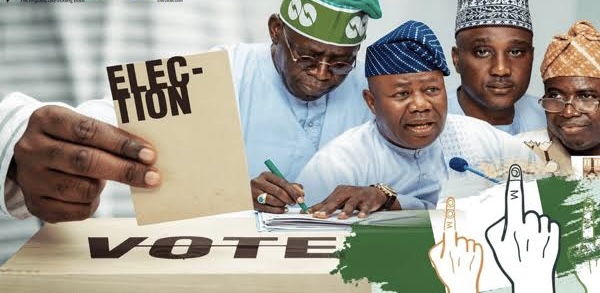
As Nigeria moves closer to the 2027 general elections, renewed debates over electoral credibility have intensified, driven by unresolved gaps in the Electoral Act 2022.
Gatekeepers News reports that stakeholders say ambiguities around electronic transmission of results, weak enforcement of electoral offences, the surge in vote-buying, and the growing burden on the Independent National Electoral Commission (INEC) continue to undermine public confidence in the electoral process.
Although the Act was hailed as a landmark reform after years of advocacy by civil society groups and election observers, the 2023 general elections exposed major weaknesses that many fear could shape the next electoral cycle if left unaddressed.
At the centre of the debate is a consensus among political actors, election observers and legal experts that while the law is progressive in intent, it remains vulnerable to elite manipulation, institutional discretion and weak enforcement.
With political realignments already underway ahead of 2027, calls for urgent reform of the Electoral Act have become inseparable from Nigeria’s broader struggle to strengthen democratic accountability.
E-transmission controversy
One of the most contentious issues is the ambiguity surrounding the use of technology, especially the electronic transmission of results.
Sections 50 and 60 of the Act allow the use of electronic devices for accreditation and result collation but do not make real-time electronic transmission compulsory for all elections.
This loophole proved costly in 2023. While the Bimodal Voter Accreditation System (BVAS) worked relatively well for voter verification, the inconsistent uploading of presidential election results to the INEC Result Viewing Portal (IReV) triggered widespread public outrage, legal disputes and loss of confidence.
INEC blamed the failure on “technical glitches,” a defence critics say exposed a fundamental flaw in the law, which gives the commission wide discretion over technology deployment without clear safeguards or penalties for non-compliance.
Opposition figures argue that unless electronic transmission is made compulsory, with strict timelines, backup systems and sanctions, future elections may continue to be shaped by administrative excuses rather than legal certainty.
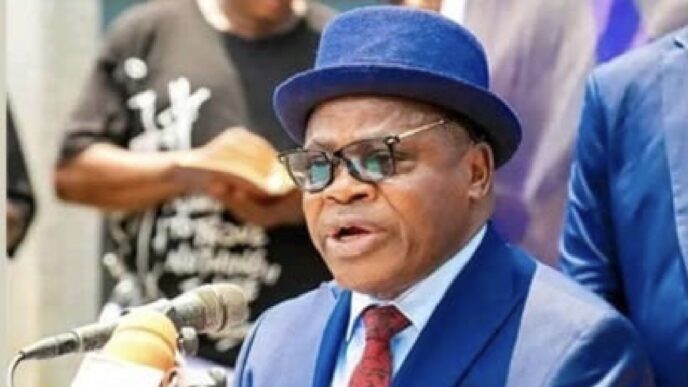
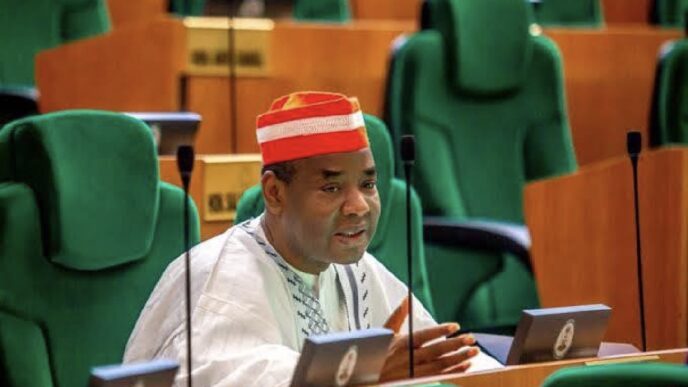
Former lawmaker Bernard Mikko, who represented Khana/Gokana in the Fourth National Assembly, said while no law can be perfect, “the real challenge lies with those who operate it.”
Electoral offences and culture of impunity
Stakeholders also point to the weak enforcement of electoral offences as one of the most serious flaws in the Act.
Despite provisions in Sections 121 to 129, prosecution remains rare and selective. Vote-buying, voter intimidation, result falsification and electoral violence continue with minimal consequences.
Observers say the core problem is structural: INEC is tasked with both conducting elections and prosecuting offenders.
Mikko said this dual role means cases are often abandoned or poorly pursued, reinforcing a culture of impunity. He stressed that establishing an independent Electoral Offences Commission (EOC) must become a legislative priority before 2027.
Media reports show that about 781 electoral offenders were arrested during the 2023 elections from 489 recorded infractions across the presidential, National Assembly, governorship and state assembly polls.
Police figures indicate that 203 suspects were arrested during the February 25 presidential election, while 578 were arrested during the March 18 governorship elections.
INEC later said it compiled 1,076 case files across 35 states in collaboration with the police and the Nigerian Bar Association. However, as of early 2025, only about 774 offenders were actively being prosecuted nationwide, with just a handful of convictions recorded.
Money politics and vote-buying
Another area demanding urgent reform is campaign finance regulation.
Although the law prescribes spending limits, weak enforcement has allowed money politics to flourish. The 2023 elections witnessed what observers described as an unprecedented normalisation of vote-buying, with reports of cash transfers, food distribution and digital inducements at polling units.
Reform advocates are calling for tougher penalties, improved financial disclosure and digital tracking of campaign spending. Some have also proposed candidate disqualification in severe cases, arguing that fines alone are ineffective deterrents for wealthy politicians.
Party primaries and internal democracy
Section 84 of the Act was designed to strengthen internal party democracy, but parties have continued to bypass the rules through manipulated delegate lists, forced consensus arrangements and arbitrary substitutions.
The result has been a surge in pre-election litigation, weakening party cohesion and confusing voters.
Afenifere spokesman, Jare Ajayi, said the Act needs clearer standards, stronger sanctions against parties, and stricter timelines to reduce endless court battles.
Divergent views on reform path
Elder statesman Tanko Yakassai urged Nigerians to seek judicial intervention rather than rely on the National Assembly.
“They are the greatest beneficiaries of the present Electoral Act. Anyone who identifies grey areas should approach the courts. Once the courts make pronouncements, such decisions become binding on INEC,” he said.
Former Senate Minority Leader, Olorunnimbe Mamora, said credible elections in 2027 depend on urgent amendments across the pre-election, election-day and post-election processes.
“A bill can be passed within a week if the political will is there,” Mamora said, calling for compulsory electronic transmission of results and swift prosecution of offenders.
President of the Middle Belt Forum, Pogu Bitrus, also warned that the Act vests excessive powers in INEC, making it overstretched and vulnerable to manipulation.
Amendments underway
Sources in both the National Assembly and INEC disclosed that deliberations on far-reaching amendments to the Act will be fast-tracked after lawmakers resume later this month.
The proposed Electoral Bill 2025, which has passed second reading in the Senate, is currently before the Senate Committee on Electoral Matters. A senior legislative source said the House of Representatives has completed work on its version and that harmonisation will begin once both chambers resume.
“The House of Representatives has largely completed work on its own version of the bill. What remains is harmonisation with the Senate,” the source said.
Key proposals include:
- Compulsory electronic transmission of results
- Establishment of an Electoral Offences Commission
- Early voting for essential workers
- Diaspora and inmate voting
- Expanded voter identification options, including NIN and passports
- Stronger financial autonomy for INEC
- Stiffer penalties for vote-buyers and election offenders
The source assured that the process would be concluded before the end of February, paving the way for presidential assent.