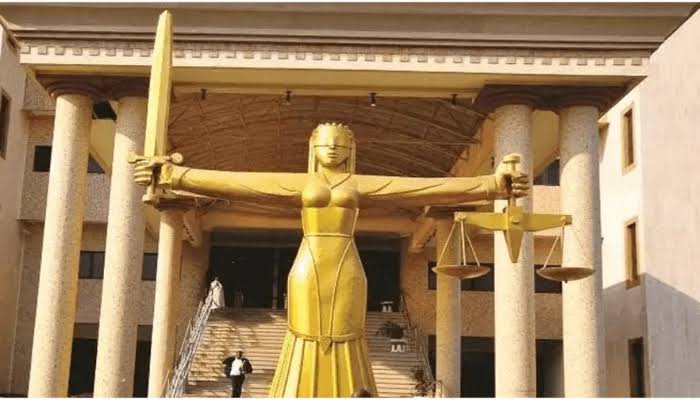
Enugu State High Court has ordered British government to pay £20 million to each of the families of the 21 Nigerian coal miners killed during the Iva Valley Massacre in November 1949, ruling that the killings were unlawful and an extrajudicial violation of the miners’ right to life.
Gatekeepers News reports that Justice Anthony Onovo, who delivered the judgment on Thursday, held that the colonial authorities’ actions were indefensible.
The court further ordered that a formal apology be issued to the families through their lawyers and published in both Nigerian and UK newspapers. Interest on the total compensation of £420 million will accrue at 10 percent per year until full payment is made. The court, however, refused claims for pre‑judgment interest and exemplary damages.
The case was brought before the court by human rights activist Greg Onoh, who sought recognition of liability, an official apology, and comprehensive reparations for the victims’ families. In his ruling, Justice Onovo emphasized that the miners were peacefully demanding improved working conditions and wages and were not engaging in any violent action when they were shot.
The court urged the Nigerian government to engage in diplomatic efforts within 60 days to ensure the British government implements the judgment and provides justice and reparations to the families.
The Iva Valley Massacre occurred when coal miners in Enugu, then part of Nigeria’s Eastern Region under British colonial rule, protested against unpaid wages and harsh working conditions.
Tensions escalated after colonial authorities ordered the closure of the mining operations, which the miners resisted. Armed police, under the command of FS Philip, opened fire on the crowd, killing 21 miners and injuring many others.
Victims included Sunday Anyasodo, Ani Oha, Andrew J. Obiekwe Okonkwo, Augustine Chiwetalu, Onoh Ugwu, Ngwu Offor, Ndunguba Eze, Okafor Agu, Livinus Ukachunwa, Jonathan Agu Ozoani, Moses Ikegbu Okoloha, Chukwu Ugwu, Thomas Chukwu, Simon Nwachukwu, Agu Alo, Ogbonnia Ani Chima, Nnaji Nwachukwu, William Nwaku, James Onoh Ekeowa, Felix Nnaji, and Ani Nwaekwe.
The massacre is remembered as a key moment in Nigeria’s anti-colonial history, highlighting the struggle of workers against exploitation and injustice, and it played a significant role in galvanising nationalist movements leading to Nigeria’s independence in 1960.