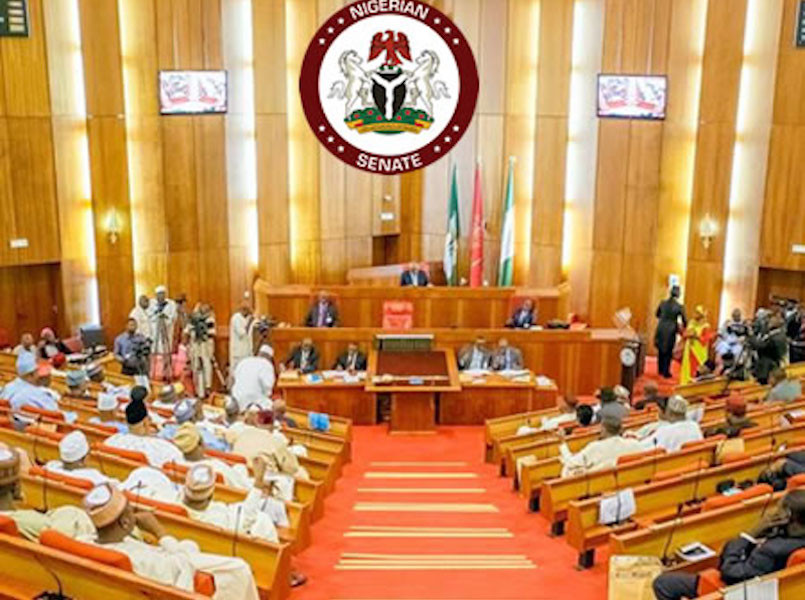
Senate has reviewed and adjusted Nigeria’s electoral timeline by reducing the statutory notice period for general elections from 360 days to 300 days.
Gatekeepers News reports that the move is designed to prevent the 2027 presidential and National Assembly elections from taking place during the Muslim fasting period of Ramadan.
The change followed the amendment of Clause 28 of the Electoral Act (Repeal and Re-enactment) Bill, 2026, after lawmakers raised concerns that the existing 360-day requirement could compel the Independent National Electoral Commission (INEC) to schedule nationwide polls within the sensitive religious period.
To address this, the upper chamber reversed its earlier decision on the bill and reopened deliberations under a motion presented by the Senate Leader, Opeyemi Bamidele, who represents Ekiti Central.
Explaining the need for the adjustment, Bamidele warned that sticking with the original timeline could create avoidable difficulties for voters, election officials, and other stakeholders.
According to him, upon critical review of the passed bill, the 360-day notice requirement prescribed in clause 28 could result in the scheduling of the 2027 presidential and national assembly elections during the Ramadan period.
He added that conducting elections during Ramadan “could adversely affect voter turnout, logistical coordination, stakeholders’ participation, and the overall inclusiveness and credibility of the electoral process.”
With the revised provision, INEC is now required to publish official notices of elections no later than 300 days before polling day across all states and the Federal Capital Territory. These notices will clearly state the election date and specify designated centres for the submission of nomination documents, while also ensuring that every affected constituency receives formal notification.
The amendment followed consultations between the leadership of the National Assembly and INEC, which had earlier proposed February 20, 2027, for the presidential and National Assembly elections, and March 6, 2027, for the governorship and state assembly polls. Lawmakers noted that the February date could coincide with Ramadan, depending on the lunar calendar, making the adjustment necessary.
Chairman of the Senate Committee on Electoral Matters, Simon Lalong, clarified that the timing was not deliberately chosen to clash with Ramadan. He explained that the election calendar was based on an existing framework introduced by a former INEC leadership, noting that, it was the immediate past INEC Chairman, Mahmood Yakubu, who actually set the template for the election dates from 2019 to 2031.
In addition to revising the election notice period, the Senate also debated provisions relating to the transmission of election results. Lawmakers retained a clause allowing for manual transmission of results in situations where electronic systems fail due to network problems. Enyinnaya Abaribe, representing Abia South, challenged this provision and called for a formal vote, arguing that it could weaken electoral transparency.
Responding, Senate President Godswill Akpabio directed members to vote openly, stating, “This is democracy in action,” and asking senators to “signify where they belong by standing up and raising their hands.” At the end of the exercise, 55 senators voted in favour of retaining the manual transmission option, while 15 opposed it. Akpabio said the decision “had just saved Nigeria’s democracy.”
Following the vote, the Senate confirmed that while electronic transmission of results remains the standard, officially signed result forms would serve as the primary reference where technical challenges arise. The chamber subsequently passed the Electoral Act (Repeal and Re-enactment) Bill, 2026, paving the way for a revised legal framework to guide the 2027 general elections.