

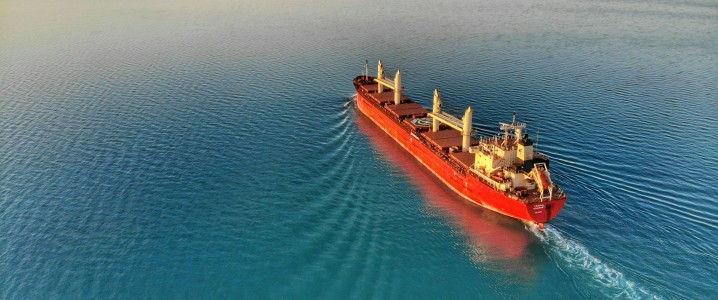
Global oil tanker charter rates have surged to record levels as geopolitical tensions escalate in the Middle East following military exchanges involving the United States, Israel, and Iran.
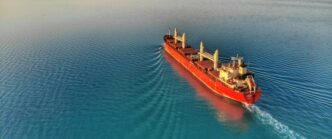
Gatekeepers News reports that Shipping data indicates that freight costs for supertankers moving crude oil from the Persian Gulf to key markets such as China have climbed to unprecedented highs, highlighting how swiftly regional instability can disrupt global energy supply chains.
The disruption has been particularly acute around the Strait of Hormuz, a strategic passage between Iran and Oman that accounts for roughly one-fifth of the world’s crude oil exports. Many commercial vessels have reportedly avoided the corridor following repeated attacks on ships and threats attributed to Iranian forces.
The near halt in tanker movements through the strait — a route that typically carries about 20 per cent of global oil and gas shipments — has triggered significant ripple effects across global shipping logistics and energy markets.
Analysts say the direction of freight costs and oil prices will depend largely on the duration and intensity of the conflict. A prolonged disruption in the Strait of Hormuz could keep charter rates elevated, force vessels to reroute around Africa, and embed higher transportation costs into global trade flows.
The escalation coincided with moves by QatarEnergy to suspend parts of its downstream production, a day after halting liquefied natural gas (LNG) output amid Iranian strikes on facilities linked to gas processing operations.
“Further to the decision by QatarEnergy to stop production of liquefied natural gas (LNG) and associated products, QatarEnergy is stopping the production of some downstream products in the State of Qatar, including urea, polymers, methanol, aluminum, and other products,” the company said in a statement.
Market watchers warn that sustained instability in the Gulf region could have far-reaching consequences for global energy security, trade routes, and inflationary pressures worldwide.