

Federal Government has announced plans to officially launch Nigeria’s National Single Trade Window (NSTW) digital platform on March 27 as part of efforts to modernise the country’s trade system and simplify import and export processes.
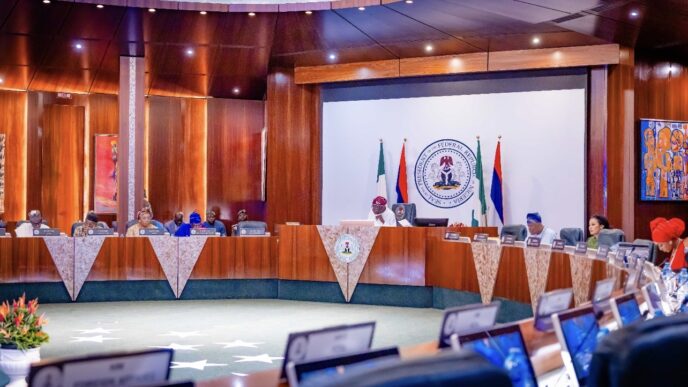
Gatekeepers News reports that the announcement was made by Femi Gbajabiamila, Chief of Staff to the President, during a stakeholders’ meeting held at the Presidential Villa in Abuja, where government agencies and key industry players reviewed progress on the project ahead of its rollout.
Gbajabiamila described the initiative as a major reform designed to transform Nigeria’s trade ecosystem by streamlining procedures, improving efficiency, and boosting the country’s competitiveness in global trade.
According to him, the digital platform is expected to replace the current fragmented system with a unified interface through which traders can submit documents and process approvals electronically.
The platform will allow importers and exporters to submit trade documentation once, after which the information will be automatically shared with all relevant government agencies, eliminating duplication and reducing bureaucratic delays.
Tola Fakolade, the National Single Window Coordinator, explained that the first phase of the system will include online processing of import permits, electronic submission of cargo manifests, and a centralised risk management system aimed at improving transparency and efficiency in cargo clearance at Nigeria’s ports.
He added that nationwide training for users is already underway while pilot testing will be conducted before the official launch to ensure a smooth transition to the digital system.
The initiative has the backing of several government institutions, including the Central Bank of Nigeria (CBN), Nigeria Customs Service, Nigeria Revenue Service, and the Ministry of Industry, Trade and Investment, which are expected to collaborate to ensure successful implementation.
Officials say the National Single Trade Window is part of the Tinubu administration’s broader economic reform agenda aimed at reducing the cost of doing business, increasing transparency in trade transactions, and strengthening Nigeria’s position as a regional trade hub.
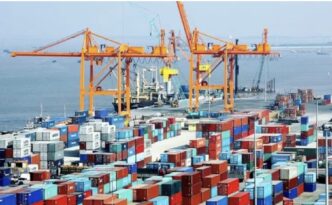
If successfully implemented, the digital platform is expected to speed up cargo processing at air and sea ports, improve revenue collection, and enhance coordination among government agencies involved in international trade.