

Global crude oil prices climbed sharply this week, with Brent crude briefly reaching $100 per barrel, as renewed attacks on shipping routes in the Persian Gulf heightened fears of supply disruptions and prolonged volatility in energy markets.
Gatekeepers News reports that Brent crude, the international price benchmark, surged by over 8 percent, while the U.S. West Texas Intermediate (WTI) also posted significant gains, reflecting increased risk premiums in global oil trading.
Market analysts say the recent price spike was triggered by a series of attacks on oil tankers and maritime traffic in Gulf waters, which have dashed hopes of a quick easing of tensions in the broader Middle East conflict.
The attacks, involving explosive‑laden boats targeting fuel carriers near strategic shipping lanes, raised fresh concerns about the security of crude transport through the Strait of Hormuz, a bottleneck that accounts for a large share of world oil shipments.
Incidents in the region also prompted precautionary actions by oil‑producing nations. In response to increased threats, authorities at a major Gulf oil export terminal evacuated all vessels, and some facilities temporarily halted operations amid safety concerns.
Reports from local officials indicated that certain ports experienced full stoppages of oil loading activities after the attacks, underlining how security challenges are now feeding into market pricing.
Heightened crude prices are also expected to pressure global inflation trends, as energy cost increases ripple through manufacturing, transport and fuel markets worldwide.
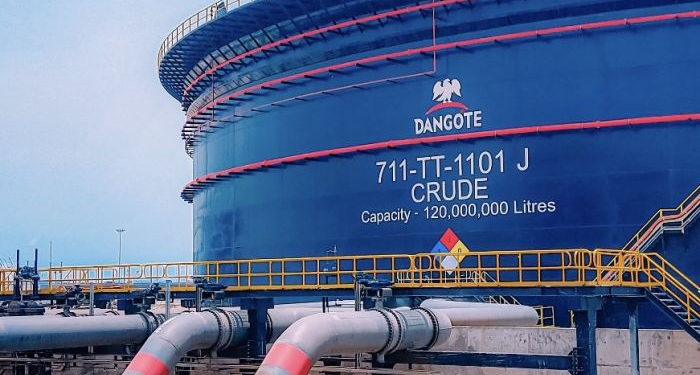
The renewed price rise followed a short period earlier this month when Brent eased to around $87 per barrel. That temporary decline had allowed major operators in Nigeria’s downstream sector to revise fuel prices. For example, Dangote Refinery reduced its ex‑gantry petrol price to N1,075 per litre, while Nigerian National Petroleum Company (NNPC) Limited cut pump prices, listing petrol at N1,130 per litre in Lagos and N1,165 per litre in Abuja.
However, analysts warn that if crude prices remain elevated, downward pressure on domestic petrol prices could ease, and retail fuel costs in Nigeria may rise again as import and production costs climb.
Nigeria’s Federal Ministry of Finance has also cautioned that the deepening conflict in the Middle East could affect global energy markets more broadly, potentially influencing crude and gas pricing, capital flows in financial markets, and international supply chain costs, with secondary effects on local economies heavily dependent on oil revenues.