


Community leaders in Ozoro, Delta State, have moved to address growing public outrage following viral videos allegedly showing women being harassed during a local festival, insisting that such actions are not part of the tradition.
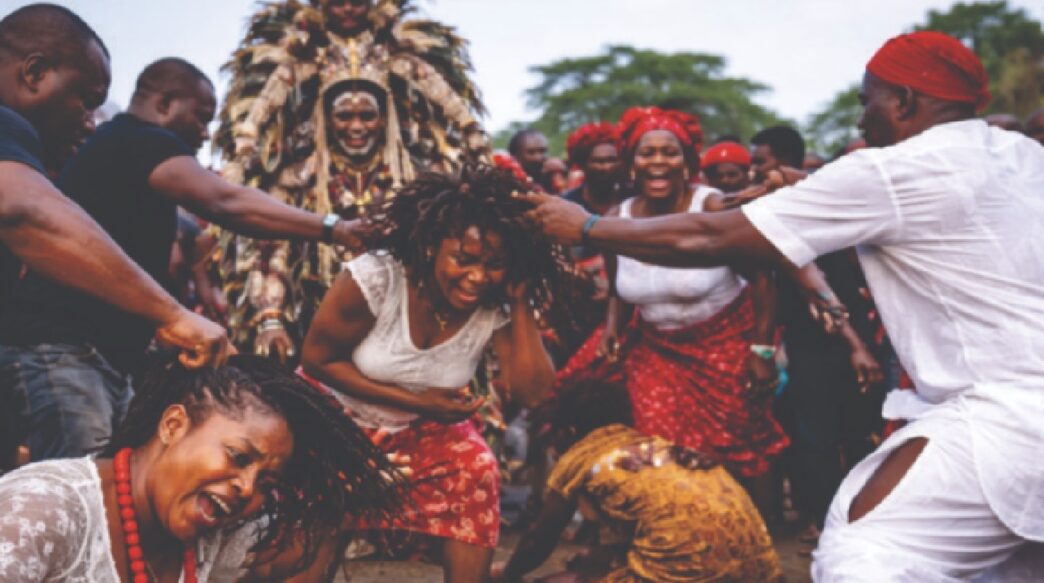
Gatekeepers News reports that the controversy erupted after disturbing clips circulated online, depicting groups of men pulling at women’s clothing and engaging in inappropriate behavior during what was claimed to be a cultural celebration.
The footage triggered widespread condemnation, with many Nigerians questioning the legitimacy of such acts under the guise of tradition and raising concerns about the safety and dignity of women.
Amid the backlash, conflicting narratives began to emerge, with some social media users alleging that the behavior was an accepted part of the festival, while others argued it was a recent distortion of the event.
In response, leaders of the Ozoro Kingdom issued a clarification, explaining that the festival in question is historically known as the Alue-Do Festival, a longstanding cultural event centered on fertility and family life.
According to the statement signed by community officials, the festival is traditionally associated with prayers and symbolic activities believed to bring blessings of childbirth to couples.
They noted that one of the cultural practices involves lighthearted actions such as playfully dragging married individuals without children and pouring sand on them, symbolizing a communal wish for fertility. However, they emphasized that the tradition does not include harassment, assault, or any form of abuse.
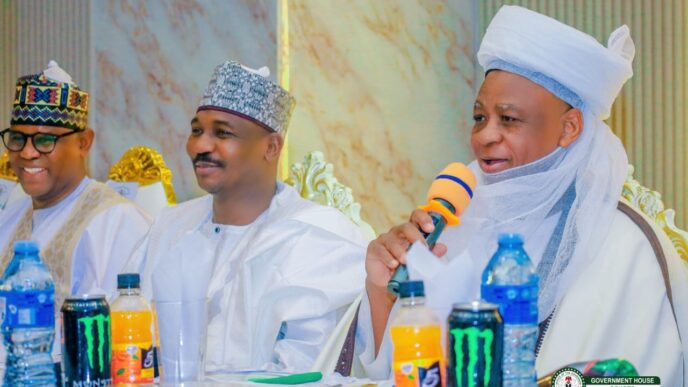
The traditional ruler of Ozoro also rejected claims linking the festival to misconduct, stating that in over two decades of leadership, he has never witnessed or received reports of women being abused during the celebration.
“I have more than 200 videos and photos of what happened in Ozoro. Many government officials and kings have been calling me to know what exactly is happening in my community. I have been a king for more than 20 years now. I have never heard of girls being abused and harassed in my community, all in the name of a festival,” he said.
The incident has continued to fuel conversations nationwide, with many calling for stricter oversight of cultural events and stressing that no tradition should justify actions that violate human rights or personal dignity.