The Nigeria Labour Congress (NLC) says it will soon begin negotiations with the Federal Government for a new national minimum wage, insisting that the current N70,000 wage is no longer sufficient to meet workers’ basic needs.
Gatekeepers News reports that the development comes as the Network of Abuja Left Groups urged Nigerians to support organised labour’s demand for a minimum wage of at least N500,000, warning that failure to reach an agreement could further worsen economic hardship across the country.
Speaking at the Rights of Workers Summit in Birnin Kebbi, Kebbi State, over the weekend, NLC President Joe Ajaero said workers should prepare for fresh negotiations with the government.
Ajaero, who was represented by the NLC deputy president, Audu Amba, said rising inflation and the increasing cost of living had made the current minimum wage inadequate.
“Anything less than N500,000 cannot cater for workers,” he said.
“The current minimum wage is due for review, and we will soon begin negotiations with the government.”
Also speaking at the summit, Trade Union Congress (TUC) President Festus Osifo, represented by the union’s secretary-general, Nuhu Toro, said worsening economic conditions had significantly reduced workers’ purchasing power.
Osifo cited rising food prices, transportation costs, rent and inflation as factors that had made the current wage insufficient.
He also urged employers to comply with labour laws by ensuring fair remuneration and improved welfare for workers.
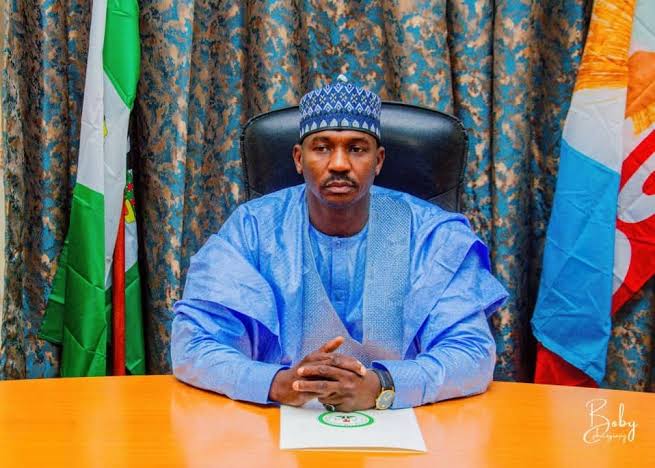
Kebbi State Governor Nasir Idris pledged his support for the demand for improved wages, saying Nigerian workers deserved better welfare.
“We must work together to improve the welfare of workers. As a member of the Governors’ Forum, I will support efforts to secure better remuneration for them,” the governor said.
Group Urges Nigerians to Back N500,000 Demand
Meanwhile, the Network of Abuja Left Groups, comprising six civil society and socialist organisations, said the minimum wage dispute should not be treated as an issue affecting only public servants.
The group described the demand as a broader struggle for economic survival and dignity, urging residents of the Federal Capital Territory and Nigerians across the country to support organised labour as the August 11 deadline approaches.
In a statement signed by Omole Ibukun of the Creative Change Centre and Akande Daniel of Anti-Imperialist Nigeria, among others, the group argued that an increase in wages would benefit the wider economy.
According to the group, higher wages would increase workers’ purchasing power and stimulate patronage for farmers, traders, transport operators, artisans, landlords and small businesses.
It also said the rising cost of essential goods and services—including food, transportation, electricity, cooking gas, rent, medicines and school fees—had significantly eroded the purchasing power of Nigerian workers.
The group therefore urged the Federal Government to engage labour in meaningful negotiations and work towards an upward review of the minimum wage to reflect current economic realities.