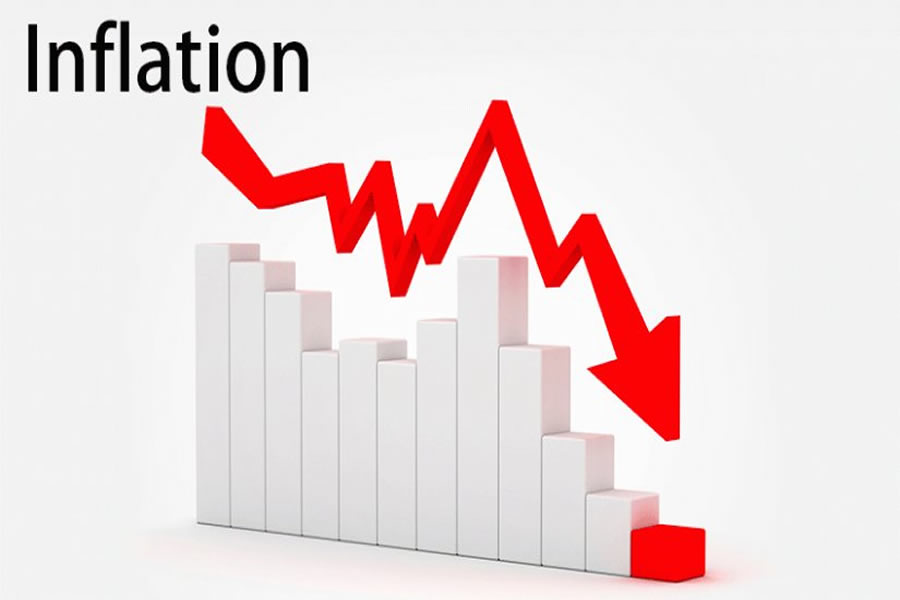
Nigeria’s headline inflation rate fell to 15.43 percent in July 2026, down from 15.91 percent recorded in June.
Gatekeepers News reports that this was disclosed in the latest Consumer Price Index (CPI) report released by National Bureau of Statistics (NBS) on Monday.
The latest figure represents a 0.48 percentage-point decline from the previous month, indicating a slower increase in the average prices of goods and services across the country.
On a month-on-month basis, headline inflation stood at 1.57 percent in July, compared with 1.66 percent in June. The NBS said this means the rate at which the average price level increased was lower in July than in the preceding month.
Despite the decline in headline inflation, food inflation remained high, rising to 20.31 percent year-on-year in July.
NBS said food inflation was also higher on a monthly basis, increasing to 5.56 percent in July from 3.75 percent in June.
According to the statistics agency, the increase in food prices was driven by changes in the prices of several food items, including crayfish, fresh pepper, onions, carrots, rice, water yam, tomatoes, garri, plantain, beef, eggs, guinea corn and ginger.
The latest food inflation figure, however, was lower than the 26.20 percent recorded in July 2025, according to the NBS.
The decline in headline inflation marks another moderation in Nigeria’s inflation rate, although the continued rise in food prices remains a major concern for households.
The figures are expected to be closely watched by policymakers, businesses and consumers as the government and monetary authorities continue efforts to ease inflationary pressures and stabilise the economy.
NBS publishes the CPI as a measure of changes in the prices consumers pay for goods and services over time.