

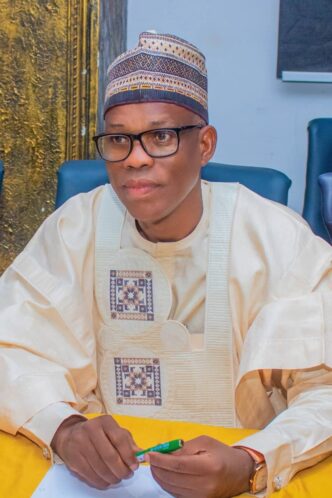
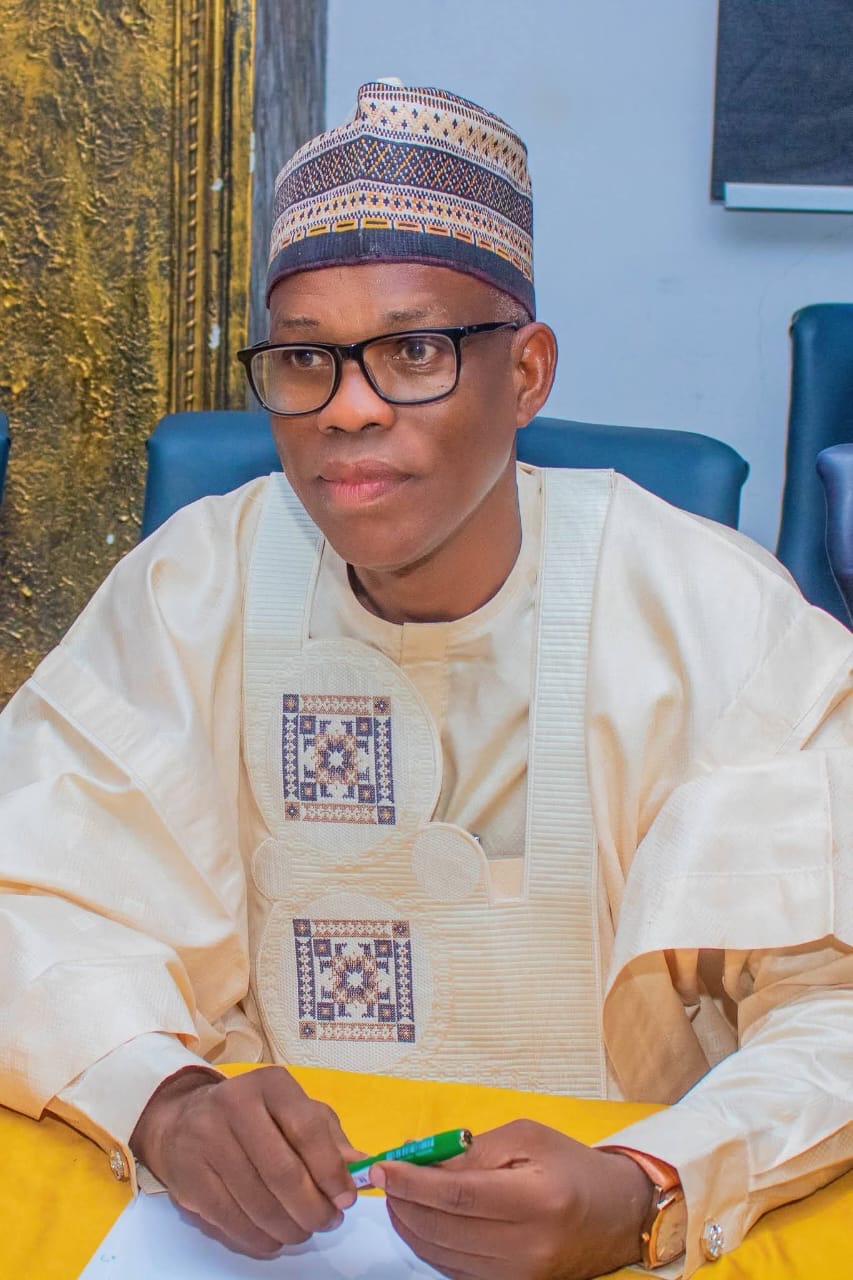
Sokoto State Government has formally endorsed and adopted the Sokoto State Education Strategic Plan (SESP) 2026–2035, alongside the State Education Sector Operational Plan (SESOP) 2026–2028 and Local Education Sector Operational Plans (LESOPs) 2026–2028, marking a major step towards improving the quality, accessibility, equity and inclusiveness of education across the state.
Gatekeepers News reports that the plans were endorsed on Friday, August 14, 2026, by the Commissioner for Basic and Secondary Education, Prof. Ahmed Ladan Ala, during a validation and dissemination workshop held at Pinnacle Guest Inn, Sokoto.
Developed by the Sokoto State Ministry of Basic and Secondary Education in collaboration with development partners, including the European Union (EU), United Nations Children’s Fund (UNICEF) and other stakeholders, the plans provide a long-term strategic direction and a practical framework for improving education delivery across the state.
The LESOPs 2026–2028 cover Gada, Tureta, Gwadabawa, Tangaza, Goronyo, Isa, Sabon Birni, Kebbe and Yabo Local Government Areas.
Speaking at the event, Prof. Ahmed Ladan Ala described the plans as a significant milestone in the state’s efforts to tackle longstanding challenges in the education sector.
The Commissioner formally endorsed the documents and urged government institutions, education authorities, development partners and other stakeholders to ensure their effective implementation.
He stressed that the success of the plans would ultimately be measured not by the documents themselves, but by tangible improvements in teaching, learning, school access, retention and education outcomes across Sokoto State.
The Officer in Charge of the UNICEF Sokoto Field Office, Isa Ibrahim, said the strategic and operational plans provide an important opportunity to tackle the barriers preventing many children from enrolling in, remaining in and completing school.
He identified poverty, insecurity, displacement and inadequate learning opportunities among the factors that continue to undermine educational outcomes, particularly in Sokoto State and northern Nigeria.
According to him, the plans must go beyond policy documents and translate into practical interventions capable of ensuring that every child has access to quality, safe and inclusive education.
Isa identified prompt implementation, sustainable financing and accountability, and deliberate efforts to ensure that no child is left behind as key requirements for the success of the plans.
He urged the state government to ensure that annual budgets, work plans and development partner programmes reflect the priorities contained in the education plans.
He also called for proper allocation and efficient utilisation of resources, alongside transparent monitoring of funds and programmes.
Isa advocated targeted interventions for children in hard to reach communities, particularly girls, children with disabilities, Almajiri and nomadic learners, and children affected by insecurity, poverty and displacement.
He reaffirmed UNICEF’s commitment to supporting Sokoto State in strengthening its education system and translating the plans into measurable results for children and communities.
Also speaking, the Assistant Chief Training and Research Officer of the National Institute for Educational Planning and Administration (NIEPA), Dr. Opeyemi Oyekan, said the Sokoto initiative was part of a wider NIEPA UNICEF partnership covering Lagos, Jigawa, Enugu, Sokoto and Adamawa states.
Dr. Oyekan explained that the partnership commenced in 2025 with a review of existing education sector plans and capacity building programmes for education planners and Education Management Information System (EMIS) officers.
The collaboration also supported the preparation of local education sector plans and annual education sector performance assessments.
Dr. Oyekan stressed that the true measure of success would be the impact of the plans on children, schools and communities rather than the production of the documents themselves.
She urged the Sokoto State Government to make the operational plans the basis for annual education budgeting, noting that the plans were aligned with existing government policies and programmes.
She further called on all stakeholders to take ownership of the plans and work collectively towards achieving better education outcomes across the state.
In his opening remarks, the Executive Chairman of the Sokoto State Universal Basic Education Board (SUBEB), Umar Nagwari Tambuwal, represented by Mamuda Galadima, welcomed government officials, development partners and other stakeholders to the workshop.
He commended the contributions of the development partners and other stakeholders towards strengthening education planning and delivery in Sokoto State.
Goodwill messages were also delivered by representatives of the Ministry of Science and Technology, including the Director of Quality Assurance, Muktari Isa, Plan International Project Coordinator, Julius Joseph, and Isa Usman of Life Helpers.
In his vote of thanks, the Sokoto State SBMC Secretary, Malami Usman Binji (Chiroman Binji,) expressed appreciation to the Sokoto State Government, development partners and all participants for their contributions to the development and validation of the education plans.
He thanked the stakeholders for their commitment and urged them to continue supporting the implementation of the plans to achieve meaningful improvements in education across the state.
Among the dignitaries at the event were the Chairmen of Gada Local Government, Hon. Zayanu Baron Gada; Gwadabawa Local Government, Hon. Ibrahim Aliyu Sakamaru; Tureta Local Government, Hon. Aliyu Abubakar Tureta; and Tangaza Local Government.
Also in attendance were the District Head of Gagi, Sani Umar; the Secretary of the Sokoto State House of Assembly Committee on Education, Aliyu Abdullahi S/Riyoji, who represented the Chairman of the Committee; and the President of ANCOPSS, Comrade Muhammad Ikililu Abubakar, alongside other government officials, education stakeholders and development partners.