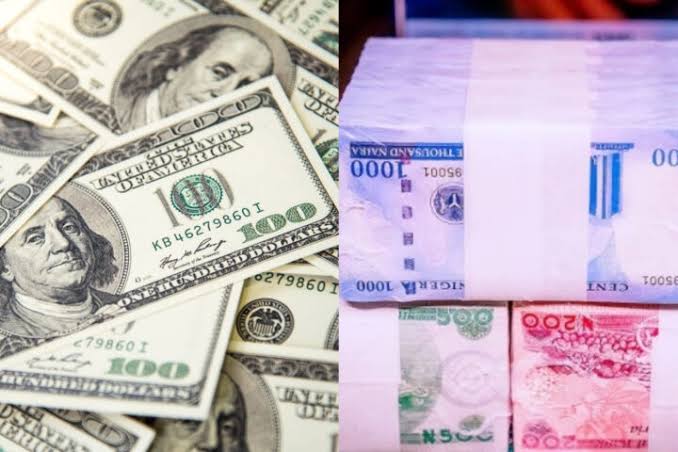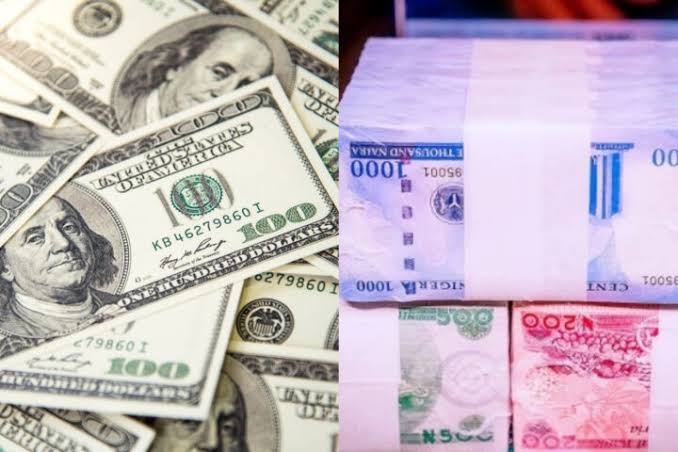


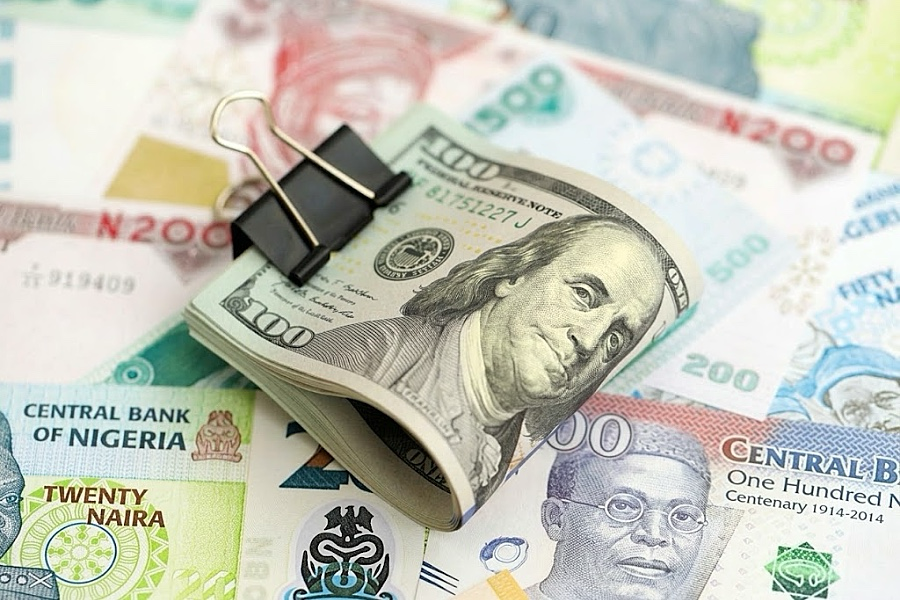
Nigeria’s external reserves have risen to $53.11bn, their highest level in more than 17 years, bringing the country within striking distance of the record level recorded in 2009.
Gatekeepers News reports that data from the Central Bank of Nigeria showed that the reserves stood at $53.112bn as of August 24, 2026.
The latest figure is the highest recorded since January 12, 2009, when the country’s reserves reached $53.25bn.
The current position leaves Nigeria’s external reserves just $142m below the January 2009 level, signalling a significant improvement in the country’s external liquidity position.
The buildup has accelerated since June, with CBN data showing that reserves increased from $49.96bn on June 3 to $53.11bn on August 24, representing a gain of approximately $3.15bn.
Reserves also rose from $51.53bn on July 3 to $53.11bn by August 24. The position crossed the $52bn mark on July 27 and subsequently climbed to $52.86bn on August 21.
The sustained accumulation has been supported partly by stronger oil earnings and increased dollar inflows into the economy.
Analysts said the stronger reserve position provides Nigeria with a larger buffer against external shocks while supporting efforts to restore confidence in the foreign exchange market.
The buildup is taking place alongside the CBN’s tight monetary policy stance, which is aimed at containing inflation and promoting broader macroeconomic stability.
An Abuja-based economist, Chukwunmonso Iheoma, said, “The rise in reserves strengthens Nigeria’s capacity to manage external pressures and provides greater confidence in the foreign exchange market.”
However, he warned that the focus should now be on ensuring that the accumulation is driven by sustainable dollar inflows rather than temporary factors.
Meanwhile, the CBN has linked recent improvements in the country’s macroeconomic position to reforms implemented under Governor Olayemi Cardoso.
Speaking on August 19, the acting Director, Corporate Communications and Investor Relations Department at the CBN, Hakama Sidi-Ali, said that over the past 34 months, Cardoso had led reforms aimed at establishing “the much-needed foundation for Nigeria’s next economic phase,” with a focus on inclusive growth and job creation.
Sidi-Ali highlighted the unification and greater transparency of the foreign exchange market and the successful recapitalisation of the banking sector, which she said had fundamentally strengthened the resilience, capacity and competitiveness of the Nigerian banking industry.
She also listed the launch of the non-resident Bank Verification Number to connect Nigerians abroad with local banking services; the B-Match System for foreign exchange trading; the Nigeria Payments System Vision 2028; and the introduction of a 75 per cent Cash Reserve Ratio on non-Treasury Single Account public sector deposits.
According to her, the measures are aimed at enhancing liquidity management and curbing inflationary risks, among other objectives.