The Nigerian Upstream Petroleum Regulatory Commission (NUPRC) is set to commence its 2026 oil licensing round by early October, according to Oritsemeyiwa Eyesan, the commission’s chief executive officer (CEO).
Gatekeepers News reports that speaking in an interview with S&P Global, Eyesan said the auction would include 13 unlicensed oil blocks that were offered in the previous licensing round but were not awarded.
“Officials are preparing to kick off the next round of auctioning by early October at the latest, with new acreage including the 13 unlicensed blocks returning to the pool from the last round,” Eyesan said.
She said the new assets would cover Nigeria’s deepwater and shallow-water areas, as well as potentially some frontier onshore basins.
“These will be annual, if possible, even twice-annual events. At a minimum, we’ll be going to the market on an annual basis,” she said.
Eyesan said future licensing rounds would be completed within six to seven months, with successive auctions expected to contribute significantly to Nigeria’s crude oil output.
According to the NUPRC chief, the concessions could increase the country’s oil production by about 300,000 barrels per day (bpd) within the first three years.
“The target will be 300,000-600,000 b/d from successive bid rounds,” she said.
NUPRC to be more selective with oil blocks
Eyesan said the commission would adopt a more selective approach in determining which assets to offer in future licensing rounds, following concerns about the commercial viability of some blocks included in the previous auction.
“I knew we were going to have a problem with some of the blocks,” she said, acknowledging that the regulator “took a gamble” by putting some licences on the market prematurely.
She explained that the latest round would be structured primarily to attract new entrants into Nigeria’s upstream sector rather than major international oil companies.
Eyesan cited Renaissance and First E&P as examples of relatively newer operators that have successfully established themselves in Nigeria’s oil industry.
NUPRC targets $50bn deepwater investment
The commission is also targeting between $30 billion and $50 billion in fresh investment in 22 deepwater projects by 2030.
Eyesan said new tax incentives and changing investor perceptions following the US-Iran war could help attract additional capital into Nigeria’s deepwater oil sector.
She also addressed Nigeria’s domestic crude supply obligation, under which oil producers are required to supply specified volumes to local refineries.
According to Eyesan, producers remain free to take advantage of more attractive offers from international buyers.
“To modernize the system, the NUPRC aims to introduce a compliance trading platform, allowing those overfulfilling their obligations to swap certificates with export-oriented producers,” she said.
Eyesan backs market-driven crude purchases
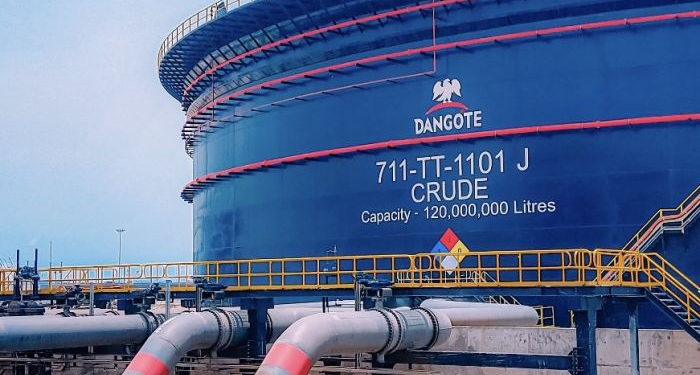
The NUPRC CEO also said the Dangote refinery should be allowed to determine its crude procurement based on economic considerations, noting the refinery’s efforts to diversify its sources of crude.
“I would not begrudge Dangote if [it’s] not picking up domestic crude,” Eyesan said.
“It might not be prudent to procure those grades as opposed to cheaper alternatives.”
Eyesan added that Nigeria still has significant potential to increase crude oil production over the next eight to 10 years.
In June, NUPRC announced that the 2026 oil licensing round would commence in the third quarter of 2026 following approval from the Minister of Petroleum Resources.