

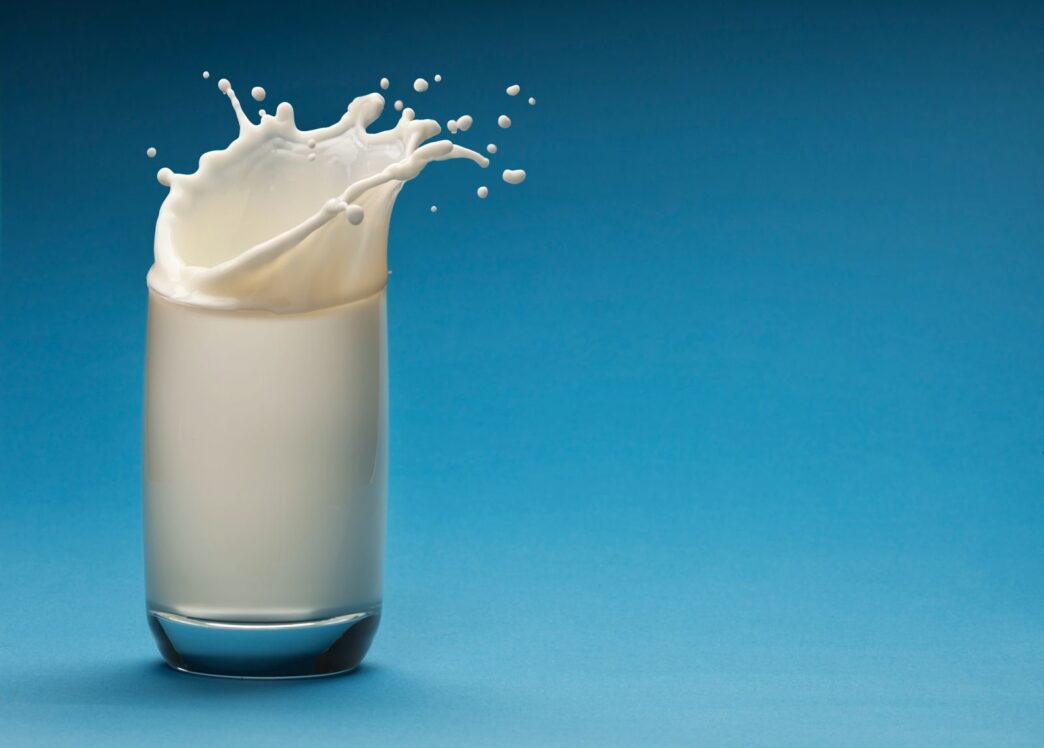
The Federal Government has reaffirmed its commitment to bridging Nigeria’s milk production gap by increasing annual output from 700 million litres to meet the country’s estimated demand of 1.6 billion litres.
Gatekeepers News reports that the Minister of Livestock Development, Idi Maiha, gave the assurance on Wednesday in Abuja during a workshop on the Final Review and Validation of the Framework for the Implementation of the National Dairy Policy.
Maiha said Nigeria possesses sufficient livestock resources to meet domestic milk needs if properly harnessed, stressing that continued dependence on imported dairy products is “unsustainable and inconsistent with President Bola Tinubu’s vision of economic diversification and self-reliance.”
He outlined government measures designed to stimulate local production — including soft loans, tariff protection, and the establishment of dairy development hubs in key production zones nationwide.
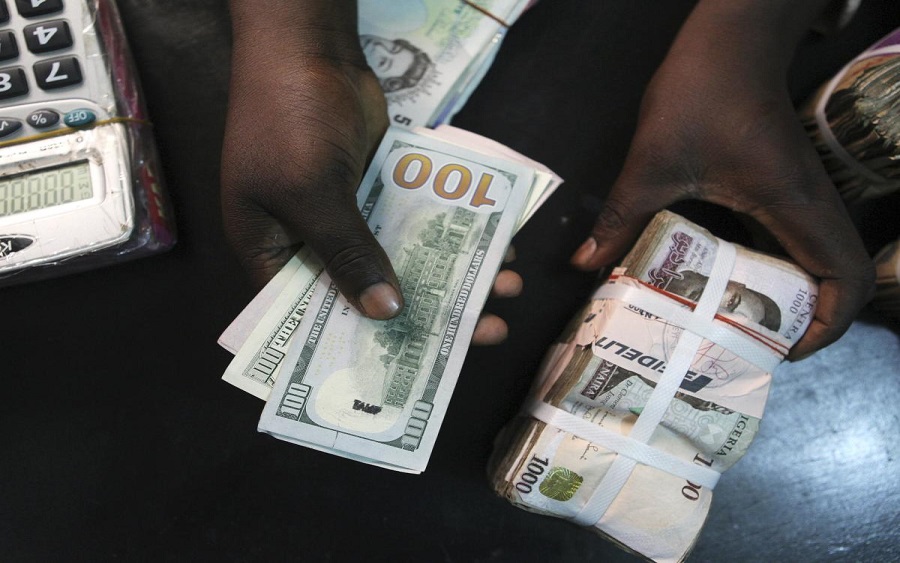
“There is therefore the need for urgent and coordinated efforts to transform Nigeria’s dairy industry and end the country’s 1.5 billion dollars annual dairy import bill,” Maiha said.
Also speaking, the Minister of State for Industry, Trade and Investment, Sen. John Enoh, pledged the ministry’s full support for the National Dairy Policy, describing it as a driver of industrial growth, job creation, and food security.
Represented by Dr Adedeji Adeshile, his Senior Special Adviser on Policy and Governance, Enoh noted that despite having over 20 million cattle, Nigeria produces only about 700 million litres of milk annually, less than half of the 1.6 billion litres required to meet national demand.
“The figure is less than half of our national demand, which presents both a challenge and an opportunity,” Enoh said.
He added that the policy framework under review represents a crucial step in operationalising the National Dairy Policy, aligning both government and private-sector efforts toward achieving self-sufficiency in milk production.
In a related remark, Prof. Attahiru Jega, Special Adviser and Coordinator of the National Presidential Livestock Reforms Initiatives, said the framework is built on 11 strategic pillars of livestock development and is in line with President Tinubu’s Renewed Hope Agenda.
Represented by Prof. Demo Kalla, Director of the Dairy Research and Development Centre at Abubakar Tafawa Balewa University, Bauchi, Jega emphasised that the framework underscores the administration’s commitment to repositioning the livestock and dairy sectors as key contributors to food security, job creation, and sustainable economic growth.
“The dairy industry is more than milk production; it represents nutrition, empowerment, and opportunities for farmers, women, and youth across the country,” Jega said.