

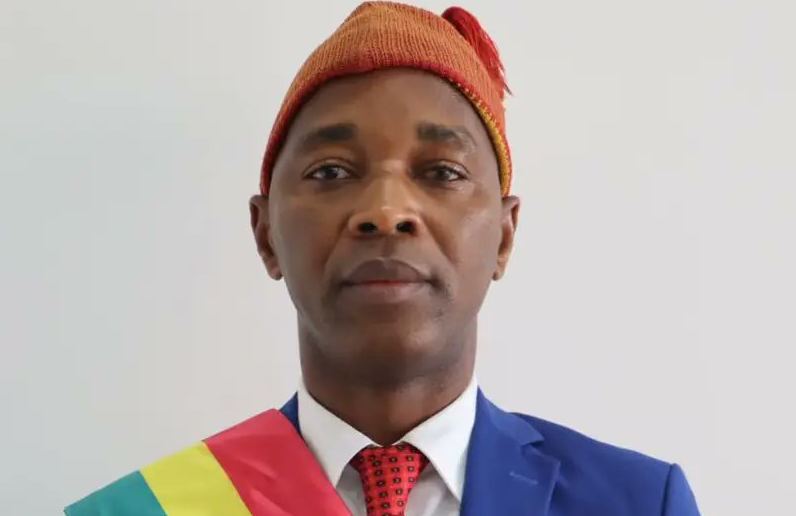
Nigeria has granted asylum to Fernando Dias da Costa, Guinea-Bissau’s opposition presidential candidate, following alleged threats to his life in the aftermath of last week’s coup attempt.
Gatekeepers News reports Dias da Costa is currently being housed in the Nigerian embassy in Bissau after military officers announced a takeover on Wednesday — just days after the country’s presidential election. The political atmosphere had already been tense, with both President Umaro Embaló and his main challenger, da Costa, declaring victory ahead of an official result from the electoral commission.
Nigeria’s government says it is “deeply concerned” about the situation and has called for the immediate restoration of constitutional order. The ministry of foreign affairs also pledged to work closely with regional partners to secure a “swift return” to normalcy.
In a letter addressed to Omar Touray, president of the ECOWAS Commission, Nigeria’s foreign affairs minister Yusuf Tuggar revealed that President Bola Tinubu approved da Costa’s protection in the embassy.
Tuggar explained that Tinubu’s directive was issued in response to “threats made against da Costa’s life”.
“In this regard, it would be appreciated if you would kindly mandate the ECOWAS Stabilization Support Mission in Guinea-Bissau (ESSMGB) to provide him protection and security while in the premises of the Nigerian embassy,” the letter, dated November 30, stated.
Alkasim Abdulkadir, special assistant to the foreign minister on media and communications strategy, confirmed the authenticity of the letter to TheCable on Monday.
“The decision of the Federal Government of Nigeria to grant asylum and provide protection to Mr. Fernando Dia Da Costa falls squarely within Nigeria’s sovereign responsibility and longstanding commitment to regional peace, stability, and democratic governance,” Abdulkadir said.
“Acting in the broader interest of de-escalation, Nigeria exercised its lawful discretion to prevent further deterioration of tensions and to promote social cohesion in Guinea-Bissau and the wider West African sub-region.”
He added that the intervention aligns with ECOWAS principles and Nigeria’s historic role as a stabilising force in West Africa.
Following the coup, ECOWAS convened an emergency virtual summit of heads of state and government and subsequently suspended Guinea-Bissau from the bloc until constitutional order is restored.