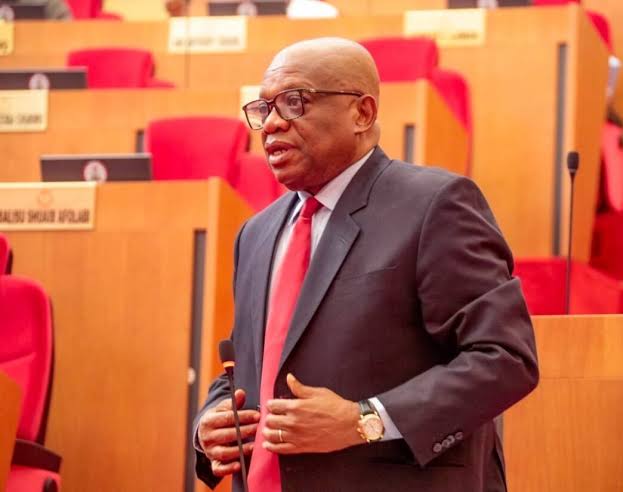
The Senate has passed, through second reading, a bill aimed at reducing extreme poverty and strengthening Nigeria’s social protection systems through the establishment of a nationwide social welfare service.
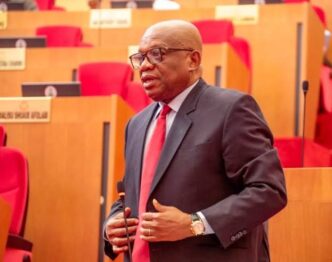
Gatekeepers News reports that sponsored by Senator Orji Uzor Kalu, the proposed legislation seeks to enhance and consolidate existing social welfare interventions, addressing what Kalu described as one of the country’s most persistent challenges — widespread and deepening poverty.
Leading the debate, Senator Kalu said the bill targets gaps in Nigeria’s current welfare framework, noting that millions of citizens still lack access to basic necessities due to the absence of a central, coordinated and data-driven institution to manage interventions effectively.
The bill proposes the creation of a Social Welfare Service as a department under the ministry responsible for humanitarian affairs, with offices in all 36 states and the Federal Capital Territory to ensure nationwide implementation.
Under the proposal, the Service would design and execute welfare initiatives including food and cash transfers, education stipends, housing support, subsidies for marginal farmers, credit schemes and allowances for the elderly and persons with disabilities.
A major component of the bill is the establishment of Safety Centres across the federation, alongside a national register of beneficiaries and programme graduates to improve accountability, prevent duplication and track long-term outcomes.
The bill also provides specific eligibility criteria for beneficiaries, including households earning below ₦5,000 per month, day labourers earning less than ₦3,000 per job, low-income artisans, subsistence farmers and residents of informal settlements.
Kalu said these criteria were designed to prevent political interference and ensure transparent selection.
Lawmakers across party lines supported the bill, highlighting the need to eliminate corruption and inefficiencies in welfare distribution while enhancing transparency.
The bill has been referred to the Senate Committee on Public Service for further legislative work and is expected to be returned in four weeks.