Heirs Energies has taken over 20.07 percent equity stake previously owned by French oil company Maurel & Prom S.A. in Seplat Energy Plc, marking one of the biggest indigenous-led acquisitions in Nigeria’s energy sector.
Gatekeepers News reports that the stake involves about 120.4 million ordinary shares and was acquired for £3.05 per share, placing the value of the transaction at roughly $500 million.
The acquisition was announced in a statement issued on Wednesday and comes shortly after Heirs Energies secured a $750 million financing facility from the African Export-Import Bank to support its expansion plans.
The deal strengthens local ownership in Nigeria’s oil and gas industry, especially at a time when international oil companies are divesting from onshore and shallow-water assets.
Heirs Energies described the acquisition as part of its broader vision to increase African participation in key energy assets.
The statement stated, “The acquisition represents a further milestone in Heirs Energies’ long-term strategy to strengthen indigenous participation in strategic assets and accelerate sustainable energy development and security for Nigeria and Africa.”
Seplat Energy, which is listed on both Nigerian Exchange and London Stock Exchange, is one of Nigeria’s leading independent energy companies with interests in oil, gas, and power generation.
The company plays a major role in domestic gas supply, supporting power plants and industrial users across the country.
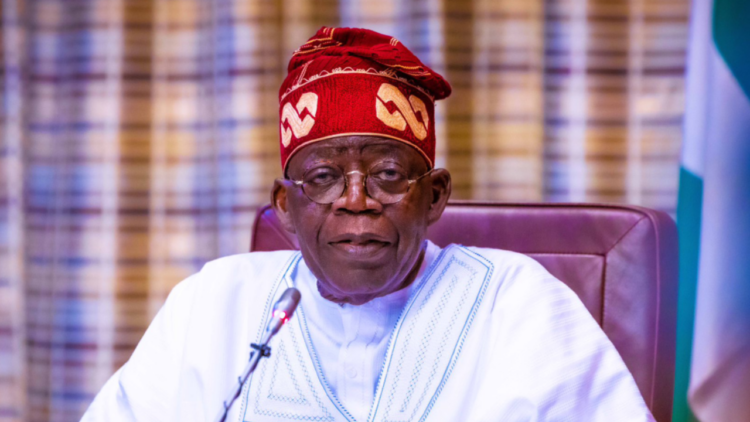
Reacting to the deal, Tony Elumelu, Chairman of Heirs Energies, said the transaction shows confidence in Africa’s capacity to control and manage its resources.
He added, “It is a long-term investment in Nigeria’s and Africa’s energy future, and aligns with our mission to drive energy security, industrialization, and shared prosperity.”
Seplat Energy has built a resilient, well-governed platform with compelling long term prospects, and we are pleased to support its continued growth and value creation for all stakeholders.”
The statement also noted that the transaction received financial backing from Afreximbank and Africa Finance Corporation, underlining the increasing role of African financial institutions in funding large-scale energy deals.