

Nigerian Midstream and Downstream Petroleum Regulatory Authority (NMDPRA) has said that continuous competition in the energy sector will lead to further reductions in the prices of petrol, diesel, and liquefied petroleum gas across the country.
Gatekeepers News reports that Saidu Mohammed, chief executive officer of NMDPRA, made this known on Sunday while speaking in Ogbele community, Ahoada East LGA of Rivers State during an inspection visit to facilities owned by Aradel Holdings Plc.
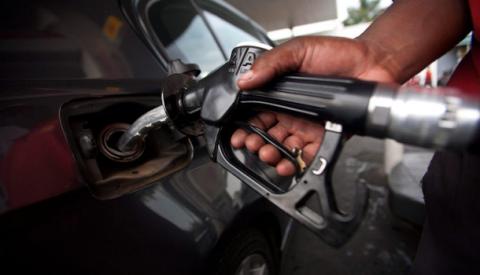
Mohammed said Nigerians are gradually benefiting from more affordable energy as improved supply continues to support price stability in the market. “The more supply we have, the lower the price, and this is already evident as petrol has dropped from about N1,000 to N800 per litre due to competition,” he said.
He explained that the removal of petrol subsidy has allowed market forces to function properly, improving efficiency in the downstream sector. Mohammed added that “Sustained competition, rather than subsidies, will guarantee adequate supply of petrol and gas at affordable prices for Nigerians,” he said.
The NMDPRA boss stressed the need for more refineries with advanced processing capacity to produce products such as diesel, fuel oil, naphtha, LPG, and petrol. He also said Nigeria plans to go beyond local consumption to export petroleum products to other regions.
Mohammed noted that domestic needs must first be met before large-scale exports can begin. “However, domestic demand must first be adequately met by local operators before large-scale exports can commence,” he said.
He further said President Bola Tinubu has strongly supported a free-market economy, adding that the removal of subsidy was the president’s first major policy action, which opened the door for private sector participation and increased investment in the oil and gas industry.
Speaking on government-owned refineries, Mohammed said their operations are largely under the responsibility of the Nigerian National Petroleum Company Limited, adding that the authority is working with NNPC to ensure steady delivery of crude oil and products to the Port Harcourt and Warri refinery reserves.
He said, “Delivery of products to the reserves and restoring loading activities at the refineries will boost local economies and revive product distribution within host communities.”
“Once product loading resumes, Nigerians will begin to feel the economic impact, even before full refinery operations.”
Mohammed also said Nigeria’s economic progress depends on the rapid growth of locally owned midstream assets and noted that facilities inspected during his three-day tour in Rivers State showed that Nigerians have the capacity to design, finance, build, and sustainably manage world-class energy infrastructure.