



The Speaker of the House of Representatives, Tajudeen Abbas, says Nigeria continues to face severe food insecurity despite trillions of naira spent on agricultural interventions over the past decade.
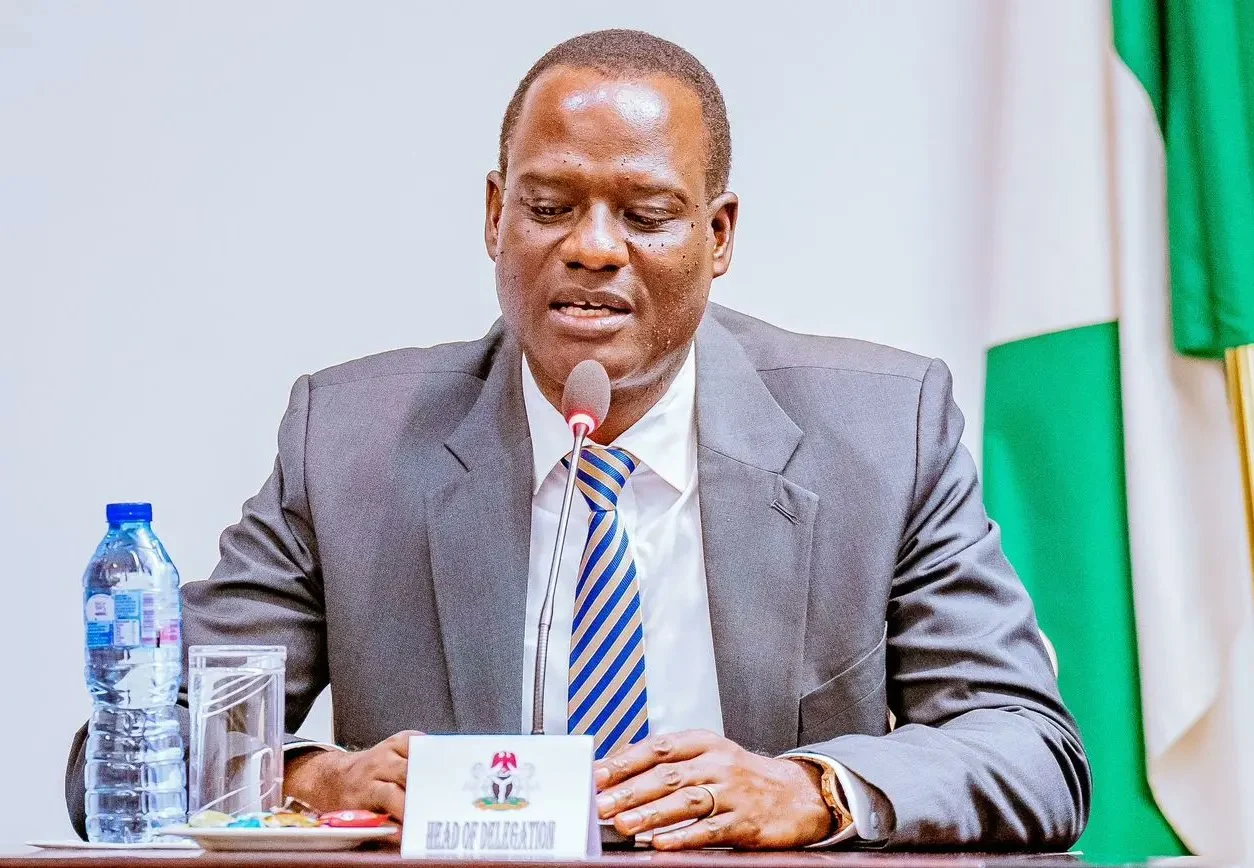
Gatekeepers News reports that Abbas made the remarks through the Deputy Chief Whip, Ibrahim Isiaka, on Tuesday in Abuja at an investigative hearing on agricultural subsidies, intervention funds, aid and grants covering the period 2015 to 2025.
The hearing, organised by an ad hoc committee of the House, is probing how public funds meant to boost agricultural productivity were utilised.
“There can be no national security without food security. A nation that cannot feed its people cannot guarantee peace, stability or sustainable development,” Abbas said.
He noted that successive governments, through the Federal Government, the Central Bank of Nigeria (CBN) and development partners, committed massive resources to agriculture.
“Between 2015 and 2025, successive governments… committed several trillions of naira to agricultural subsidies, intervention funds, aid, and grants.
These resources were appropriated, borrowed, or mobilised in the name of boosting productivity, ensuring food security, creating jobs, stabilising prices, and reducing import dependence.
“However, it is deeply worrisome and unacceptable that despite this massive financial outlay, the expected outcomes are largely not visible on the ground. Food prices continue to rise, food insecurity persists, rural poverty remains entrenched, and Nigeria is still heavily dependent on food imports.”
Abbas said the wide gap between “huge spending and weak outcomes” made the investigation necessary.
He stressed that the probe is not targeted at any individual or institution and is not politically motivated.
“Rather, they are a constitutional exercise aimed at interrogating the processes, outputs, outcomes, and impacts of these interventions, and determining the extent to which their stated objectives were realised or fundamentally undermined,” he said.
The Speaker warned heads of ministries, departments and agencies (MDAs) against ignoring the committee’s summons.
Citing Sections 88 and 89 of the 1999 Constitution, Abbas said the House would summon, sanction or issue arrest warrants against MDAs that fail to honour invitations, withhold documents, or present false or misleading information.
Also speaking, Jamo Aminu, chairman of the committee, listed the intervention programmes under review. They include the Anchor Borrowers’ Programme (ABP), Accelerated Agricultural Development Scheme (AADS), Agri-Business/Small and Medium Enterprises Investment Scheme (AGSMEIS), Mechanisation Acquisition Scheme (MAS), National Food Security Programme (NFSP), Presidential Agricultural Scheme (PAS), Rice Seed Support Fund (RSSF), Rural Development Fund (RDF), and Agricultural Guaranteed Credit Scheme (AGGCS), among others.
Aminu said Nigerians are grappling with high food prices, unemployment and economic hardship, stressing that the huge public funds invested in agriculture must be properly accounted for.