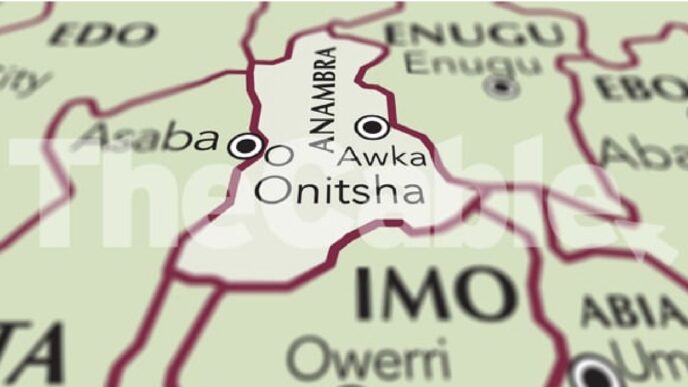


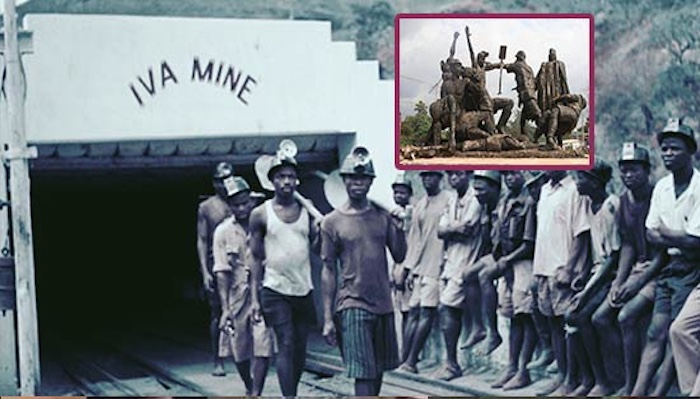
An Enugu State High Court has ordered the British government to pay £420 million in compensation to the families of 21 coal miners killed by British colonial authorities during the 1949 Iva Valley massacre in Enugu State.
Gatekeepers News reports that Justice Anthony Onovo delivered the judgment on Thursday, awarding £20 million to each victim’s family and declaring the killings unlawful, extrajudicial violations of the right to life.
The massacre occurred on November 18, 1949, at the Iva Valley Coal Mine, then in the administrative capital of the Eastern Region of British-administered Nigeria. The miners had protested harsh working conditions, racial wage discrimination and unpaid wages.
When their grievances were ignored, the workers embarked on a “go-slow” protest and occupied the mine to prevent management from locking them out.
During the protest, a British superintendent allegedly ordered security forces to open fire, killing 21 miners and injuring 51 others.
Those killed were Sunday Anyasodo, Ani Oha, Andrew J. Obiekwe Okonkwo, Augustine Chiwetalu, Onoh Ugwu, Ngwu Offor, Ndunguba Eze, Okafor Agu, Livinus Ukachunwa, Jonathan Agu Ozoani, Moses Ikegbu Okoloha, Chukwu Ugwu, Thomas Chukwu, Simon Nwachukwu, Agu Alo, Ogbonnia Ani Chima, Nnaji Nwachukwu, William Nwaku, James Onoh Ekeowa, Felix Nnaji, and Ani Nwaekwe.
The suit, marked E/909/2024, was filed by human rights activist Greg Onoh, who sought a declaration of liability, a formal apology and compensation for the victims’ families.
The respondents included the Secretary of State for Foreign, Commonwealth and Development Affairs, the British Government, the Federal Government of Nigeria, the Attorney-General of the Federation, and the Head of the Commonwealth and Government of the United Kingdom. The British respondents were not represented by counsel.
Justice Onovo dismissed objections based on sovereign immunity, holding that grave historical injustices remain justiciable under the Nigerian Constitution, regardless of the time that has passed.
“These defenceless coal miners were peacefully demanding improved working conditions. They were not engaged in any violent action, yet they were shot and killed,” the judge ruled.
In addition to the monetary award, the court ordered the British government to issue unreserved written apologies to the victims’ families. The apologies must be published in Daily Sun, Daily Independent and The Punch, as well as three major national newspapers in the United Kingdom, within 60 days, with proof of publication filed in court.
The court also awarded post-judgment interest of 10 per cent per annum until the compensation is fully paid and directed that the sum be settled within 90 days.
Justice Onovo further faulted the Federal Government of Nigeria and the Attorney-General of the Federation for failing to pursue redress over the years, describing their inaction as a dereliction of constitutional duty. He ordered the Nigerian government to begin diplomatic engagement with the British government within 60 days to seek reparations.
Reacting to the judgment, counsel to the applicants, Yemi Akinseye-George (SAN) and P. N. Agazie, described the ruling as historic, saying it reaffirmed that serious human rights violations remain actionable despite the passage of time.