The United States government has placed its citizens across the world on heightened security alert following the rapid escalation of military hostilities between Washington and Tehran, warning of potential safety risks, travel disruptions, and unpredictable security developments.
Gatekeepers News reports that in a global advisory issued on Sunday by the US Department of State, Americans were urged to remain vigilant and closely monitor official security updates, especially in regions considered vulnerable to spillover effects from the ongoing conflict. The alert stressed that evolving threats could lead to sudden airspace closures, flight cancellations, and broader travel interruptions.
The advisory specifically called on Americans in Nigeria, the Middle East, and other sensitive locations to strictly follow guidance from their nearest US embassies and consulates. It noted that the launch of US combat operations against Iranian targets has significantly altered the global security environment, increasing the risk of retaliatory actions and related instability.
“Following the launch of U.S. combat operations in Iran, Americans worldwide and especially in the Middle East should follow the guidance in the latest security alerts issued by the nearest U.S. embassy or consulate,” the advisory reads.”
“They may experience travel disruptions due to periodic airspace closures. The Department of State advises Americans worldwide to exercise increased caution.”
The State Department also encouraged Americans to enroll in the Smart Traveler Enrollment Program (STEP), which allows citizens abroad to receive real-time safety alerts, travel advisories, and emergency notifications. In addition, US nationals were advised to follow the official “U.S. Department of State Security Updates for US Citizens” WhatsApp channel to stay informed about rapidly changing developments.
The warning follows a dramatic surge in regional tensions after coordinated US-Israeli air and missile strikes targeted multiple Iranian cities, resulting in the deaths of Iran’s Supreme Leader, Ayatollah Ali Khamenei, and the country’s Armed Forces Chief of Staff, Abdolrahim Mousavi. Several senior commanders of Iran’s Islamic Revolutionary Guard Corps, along with other top defence officials, were also reportedly killed in the attacks.
Iranian authorities and independent regional monitors estimate that the strikes have led to more than 200 fatalities and over 700 injuries so far, with rescue efforts still ongoing in several affected areas. The scale of the casualties has intensified fears of a wider regional conflict, prompting governments worldwide to review their security postures and issue precautionary advisories.
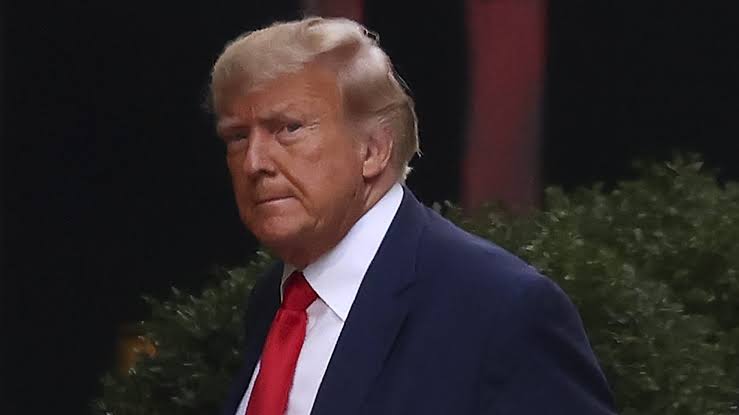
In the aftermath of the strikes, US President Donald Trump announced that Iran’s leadership had indicated willingness to return to the negotiating table. According to Trump, Tehran initiated contact seeking renewed diplomatic talks, and he confirmed that the United States had agreed to engage, raising cautious hopes for de-escalation.