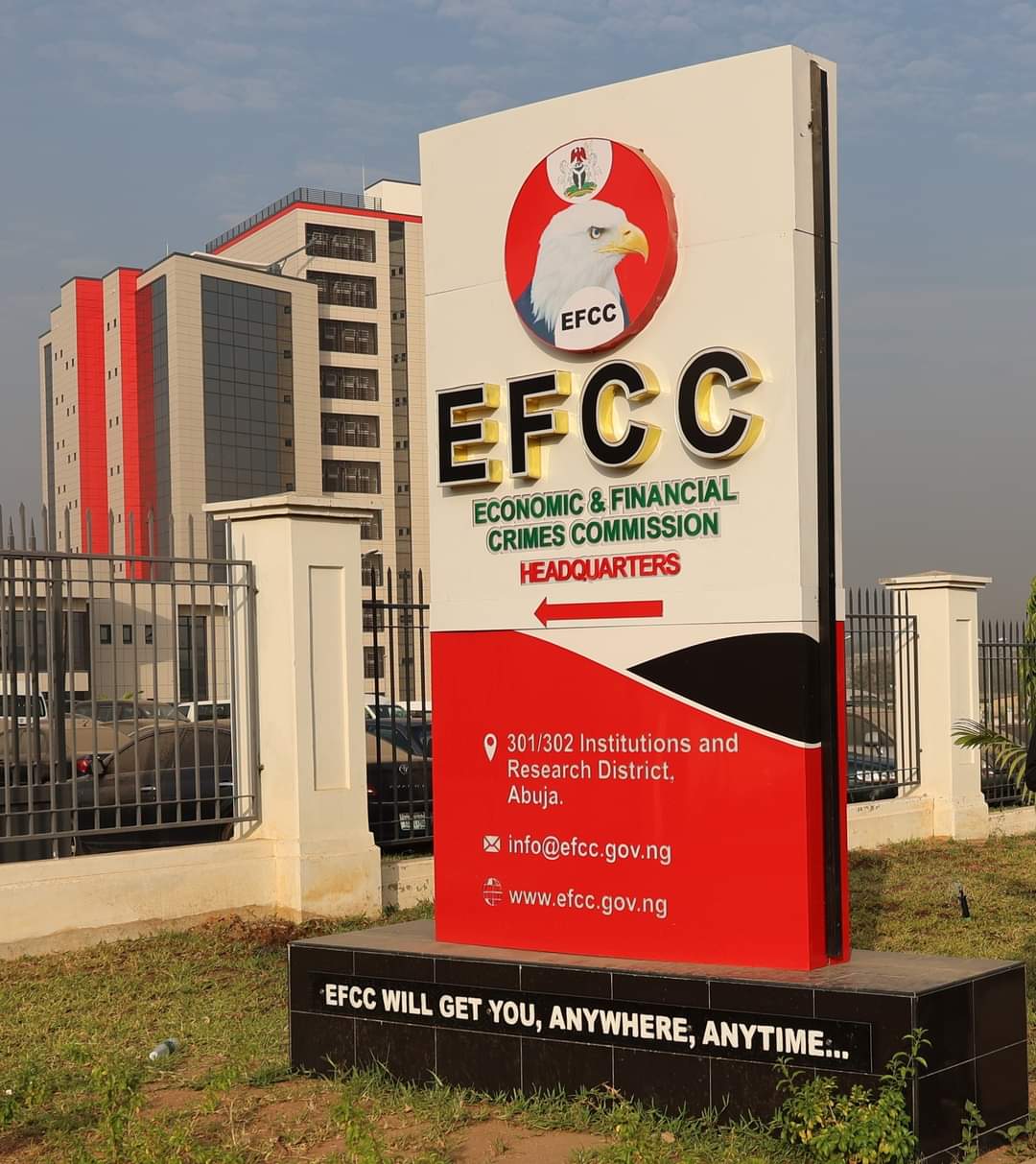
The Executive Chairman of the Economic and Financial Crimes Commission (EFCC), Ola Olukoyede, has warned public officials against corrupt practices, describing contract fraud as the most widespread form of corruption in Nigeria’s public sector.
Gatekeepers News reports that Olukoyede gave the warning on Friday in Abuja while speaking at a two-day induction programme organised by the Bureau of Public Service Reforms (BPSR) for the Chairman, Chief Executive Officer and members of the Governing Board of the South-South Development Commission (SSDC).
The programme was themed, “Institutional Governance and Regulatory Compliance.”
Speaking on “The Role of EFCC in Improving Accountability in the Public Service,” the EFCC chairman said public office is a responsibility that demands the ethical, efficient and transparent management of public resources in the interest of citizens, rather than an avenue for personal enrichment.
He lamented that corruption continues to undermine prudent management of government resources, identifying treasury looting, diversion of public funds, bribery, kickbacks, misappropriation of funds, procurement and contract fraud, payroll and pension fraud, as well as duty tour allowance fraud as some of the most common forms of corruption in the public service.
Drawing from his experience in regulatory compliance, Olukoyede said contract fraud remains the most prevalent.
“From my experience in regulatory compliance, by far the most common form of corruption within the public service space is contract fraud, where those who lead government establishments set out to enrich themselves by rigging the procurement process.”
He explained that contract fraud often involves splitting contracts to bypass approval thresholds, manipulating bidding processes in favour of preferred contractors or companies linked to public officials, awarding contracts to unqualified firms, and approving payments for poorly executed or completely abandoned projects.
Olukoyede recalled that the EFCC was established in 2003 to combat corruption and other economic and financial crimes through investigation, prosecution, asset recovery and public enlightenment.
He, however, acknowledged that the anti-graft agency continues to face several challenges, including inadequate funding and manpower, limited public support, delays in the prosecution of high-profile corruption cases, widespread public cynicism, and persistent—though largely unsubstantiated—allegations of selective investigations.
The EFCC chairman urged the newly inaugurated officials to view their appointments as an opportunity to serve the public rather than enrich themselves.
He advised them to familiarise themselves with the Financial Regulations, Public Service Rules and the Public Procurement Act, stressing the importance of complying strictly with existing laws and regulations to avoid investigation and prosecution for corruption-related offences.
Olukoyede also cautioned public office holders against engaging in businesses that conflict with their official responsibilities, operating foreign bank accounts, bidding for contracts from institutions where they serve either directly or through proxies, and conducting financial transactions outside recognised financial institutions.