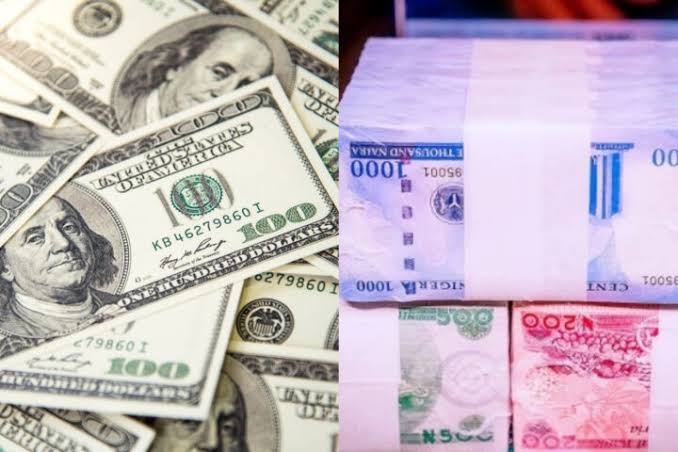
Nigeria’s total public debt stock increased to N159.35 trillion as of March 31, 2026, representing a rise of about N9.96 trillion compared with the N149.39 trillion recorded in March 2025.
Gatekeepers News reports that the latest figures were released by Debt Management Office (DMO) in its public debt report, showing that the country’s debt increased by 6.67 percent over the 12-month period.
In dollar terms, Nigeria’s total public debt stood at $114.95 billion at the end of March 2026, compared with $97.24 billion a year earlier. The difference reflects both changes in the debt stock and movements in the naira exchange rate.
The DMO data also showed that the debt stock increased only marginally during the first quarter of 2026. Total public debt rose from N159.28 trillion at the end of December 2025 to N159.35 trillion by March 31, representing an increase of about N71.6 billion, or 0.1 percent.
Domestic debt accounted for the increase during the quarter. It rose by N2.55 trillion, or three percent, from N84.85 trillion at the end of December 2025. At the same time, external debt declined by N2.48 trillion, or 3.3 percent, from N74.43 trillion.
The Federal Government accounted for N82.88 trillion of the domestic debt, while the 36 states and the Federal Capital Territory accounted for N4.52 trillion.
The latest figures underline the continued pressure on government finances as Nigeria relies on borrowing to fund budget deficits and other financial obligations.
The debt increase also comes amid a rising debt-service burden. Nigeria spent N3.14 trillion servicing domestic debt in the first quarter of 2026, up 20.3 percent from N2.61 trillion recorded in the corresponding period of 2025, according to DMO data.
The latest debt figures are contained in the DMO’s official public debt statistics, which provide quarterly updates on Nigeria’s domestic and external obligations.
The development is likely to keep attention focused on the Federal Government’s borrowing strategy, revenue generation and efforts to contain the cost of servicing the country’s growing debt portfolio.