

Federal Government has commenced a six-week review of Nigeria’s new tax laws to address implementation challenges, clarify ambiguities and deal with unintended consequences that have emerged since the reforms took effect.
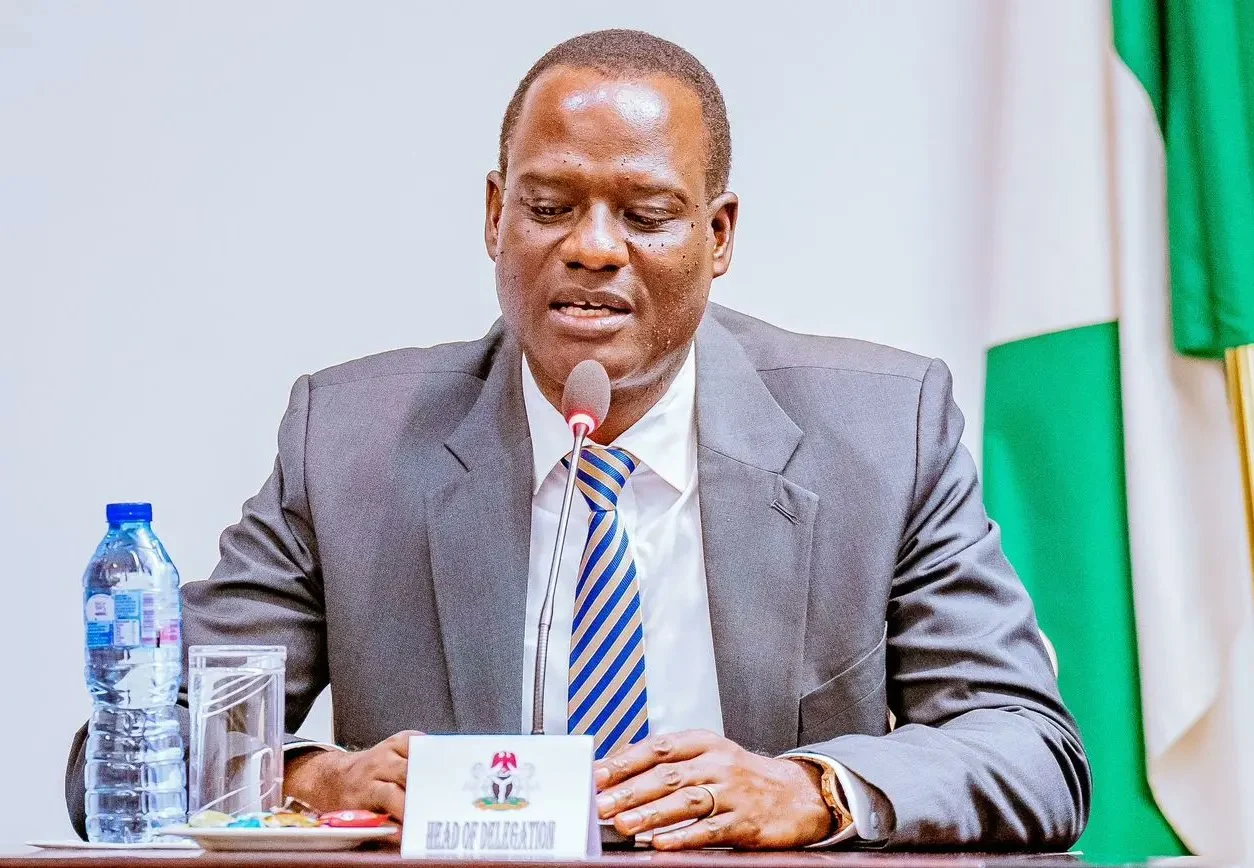
Gatekeepers News reports that Taiwo Oyedele, Minister of Finance and Coordinating Minister of the Economy, disclosed this on Thursday in Abuja while inaugurating the Technical Subcommittee on Fiscal Policy and Tax Reforms.
Oyedele said the review would strengthen the ongoing tax reforms and provide recommendations for the Finance Bill 2027. He explained that the bill should build on the 2025 reforms rather than alter their fundamental principles.
The new tax framework comprises four major laws: the Nigeria Tax Act, Nigeria Tax Administration Act, Nigeria Revenue Service Establishment Act and Joint Revenue Board Establishment Act. The laws came fully into effect on January 1, 2026.
The minister said the review would consider issues raised by taxpayers, businesses and other stakeholders, including multiple taxation, digitalisation, data sharing, taxpayer rights, tax refunds, treatment of small businesses and investment competitiveness.
He disclosed that the government received 134 submissions following its public call for inputs into the Finance Bill 2027. The submissions came from across Nigeria’s six geopolitical zones.
Oyedele directed the subcommittee to assess the submissions based on evidence, national interest and their potential economic impact. He also urged members to consider the effects of tax policies on low-income households, workers, small businesses, women and young people.
The committee will also review the Deduction of Tax at Source Regulations 2024 and prepare revised withholding tax regulations to align with the new tax laws. According to Oyedele, withholding tax is primarily an advance-payment and compliance mechanism.
Another area of review will be the Companies Income Tax (Significant Economic Presence) Order 2020. The committee is expected to develop an updated framework that protects Nigeria’s taxing rights while remaining competitive for technology and cross-border investment.
Oyedele said the exercise would involve the Ministry of Finance, Ministry of Justice, Nigeria Revenue Service, Joint Revenue Board, Nigeria Customs Service, Small and Medium Enterprises Development Agency of Nigeria, private-sector representatives and professional bodies.
He gave the technical subcommittee six weeks to complete its work and submit its report.
Albert Folorunsho, co-chair of the subcommittee and chairman of the Tax Advisory Committee, said the committee would prepare the Finance Bill 2027, review the withholding tax regulations and examine the significant economic presence order.
He said the recommendations would seek to make the tax system clearer and more efficient while strengthening revenue mobilisation without imposing unnecessary burdens on taxpayers.