

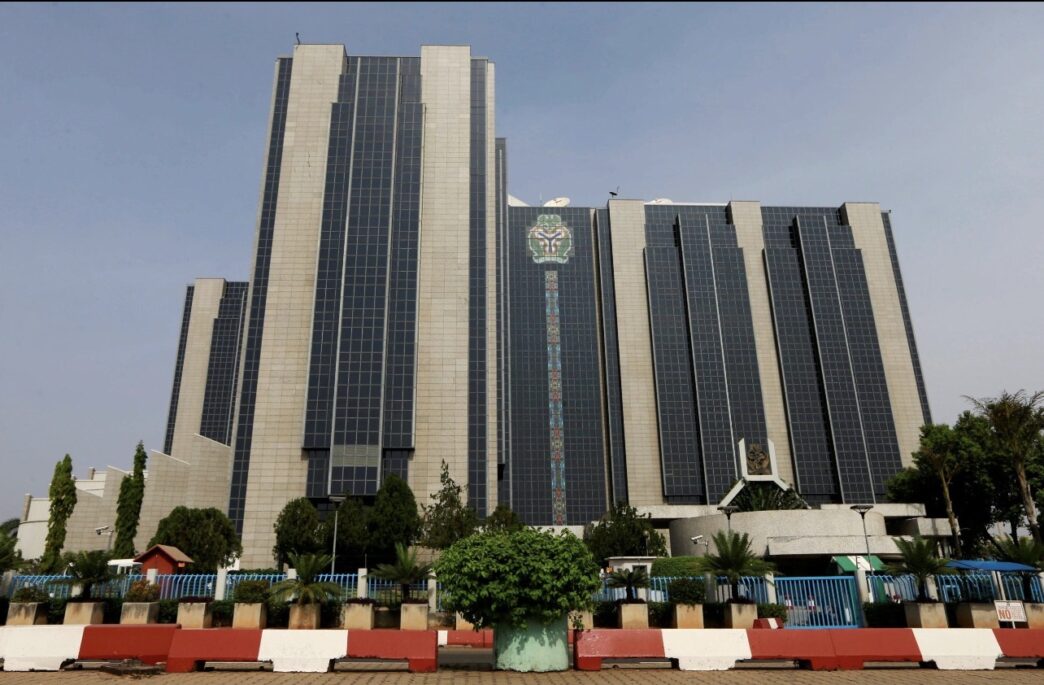
On 22 September 2026, the Central Bank of Nigeria cut its main interest rate (the Monetary Policy Rate) from 26.5 per cent to 23 per cent. This was a large reduction of 350 basis points. The bank said it was mainly a technical adjustment because market rates had already fallen and inflation had eased a bit. Many people hope cheaper money will encourage businesses to borrow, invest, and produce more. From a practical economic viewpoint, however, this cut alone is unlikely to do much to increase real production in farming, manufacturing, or other productive sectors.
The first problem is that the rate cut may not reach the people who need it. Banks still have to keep a large part of their money (45 per cent for most banks) with the Central Bank as reserves. This leaves them with less cash to lend to businesses. Even when the official rate drops, banks often prefer to buy government bonds or lend to other banks rather than give loans to factories or farmers. Loans to the real sector still carry high risk and high costs. As a result, the interest rates that ordinary businesses actually pay may not fall much. The gap between the official rate and the rates charged to producers remains wide.
A second set of problems lies outside the banking system. Insecurity in many farming areas continues to stop farmers from planting or harvesting safely. Poor and expensive electricity forces factories to run on generators, which raises their costs sharply. Bad roads and weak transport systems make it expensive to move goods. Multiple taxes and confusing regulations add further burdens. These everyday difficulties mean that even if loans become a little cheaper, the overall cost and risk of producing things stay high. A lower interest rate cannot fix insecurity, fix the power supply, or repair roads.
There is also a deeper issue of incentives. In Nigeria, it has often been easier and more profitable to make money through connections, contracts, or trading imported goods than through long-term investment in local production. When policies change frequently or when rules are applied unevenly, businesses become cautious about building factories or expanding farms. They wait or put their money elsewhere. Lower interest rates do not automatically change these patterns of behaviour.
Past experience supports this caution. Earlier reductions in the policy rate have not led to large increases in loans for productive activities. Credit to the private sector has remained limited, and many manufacturers still struggle with high operating costs. The Central Bank itself has said the overall policy stance is still tight, and the high reserve requirements remain in place. In this setting, cheaper money may help the government pay less interest on its debt or give some relief to a few borrowers, but it is unlikely to unlock a broad rise in production.
What therefore would make a real difference? Interest-rate cuts need to be matched by practical steps on the ground. Better security in farming regions, more reliable power, improved roads, simpler taxes, and clearer, more consistent policies would lower the real costs and risks of producing goods. Banks and development finance institutions also need stronger incentives and tools to lend for longer periods to agriculture and industry. Without these supporting changes, the rate cut risks remaining a technical adjustment that does not translate into more jobs, more factories, or more food production.
In short, the Central Bank’s decision is a noticeable move, but it is not enough on its own. Production will rise only when the wider conditions that discourage investment are improved. Lower interest rates can help a little, but lasting growth in output depends on fixing the practical barriers and the incentive problems that continue to hold Nigerian producers back.
Dr Frederick Imuebe Braimah is a senior lecturer, Department of Political Science, Elizade University, Ilara-Mokin Ondo, Nigeria.