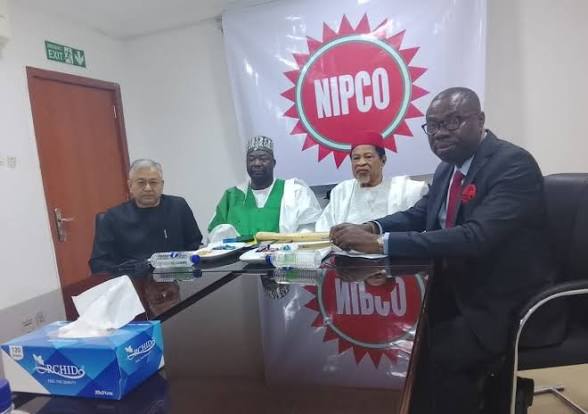
Freight, insurance, clearing charges and exchange rate fluctuations are contributing to the high cost of imported liquefied natural gas (LNG) in Nigeria, the Group Executive Director of NIPCO Plc, Abdulkadir Aminu, has said.
Gatekeepers News reports that Aminu disclosed this on Thursday at a media briefing in Abuja, where he explained that increased domestic LNG production could reduce some of the costs associated with imports and potentially lower prices.
“If indigenous production is be done, then there is no impact on the importation or the fluctuation of dollar exchange rate and no duty and anything,” Aminu said.
“Obviously, when any product is being manufactured indigenously, the pricing is expected to be low compared to the imported price or imported product.”
Aminu spoke against the backdrop of NIPCO’s plan to develop a floating liquefied natural gas (FLNG) facility in Nigeria at an estimated investment of more than $3 billion.
The proposed facility is expected to produce about three million metric tonnes of LNG annually, subject to the completion of feasibility studies, regulatory approvals and a final investment decision.
Nagendra Verma, Managing Director of NIPCO Gas Ltd, said the company was considering the Escravos area of Delta State and the Akwa Ibom region as possible locations for the project.
He said the final location would be determined after technical and commercial assessments.
According to Verma, NIPCO has been evaluating the project for the past six to nine months and expects to complete the feasibility studies in the coming months.
The proposed development would include an FLNG facility and associated marine and export infrastructure, with the capacity to supply both domestic and international markets.
Verma said the project was designed to monetise Nigeria’s gas resources and increase LNG supply.
Aminu said the project would also deepen the utilisation of locally produced gas and expand access to the commodity.
“The aim of doing the project is to get the relief to the masses. First is the maximum utilisation of the indigenous gas — more and more monetisation, deepening of the gas utilisation, and reach to the masses,” he said.
He said increased domestic production could influence prices by eliminating some of the costs associated with importing LNG.
“If you produce this thing locally, the cost associated with freight from overseas compared to when it is imported from overseas, the associated cost of freight, insurance, clearing charges, landing costs, all those things you are dealing with, it will definitely impact on the price of the product in general,” Aminu said.
NIPCO said it planned to collaborate with the Nigerian National Petroleum Company (NNPC) and international oil companies (IOCs) to source gas for the proposed FLNG facility.
The company also plans to engage international technology providers, contractors, financial institutions and other strategic partners as the project progresses.