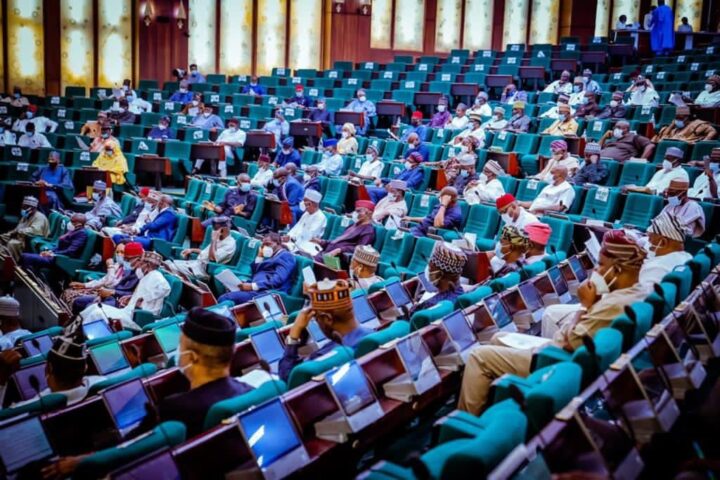
The House of Representatives Committee on Host Communities has recommended the dismissal of a petition against Pipeline Infrastructure Nigeria Limited (PINL), citing the petitioners’ failure to provide evidence to support their allegations against the company.
Gatekeepers News reports that the committee also recommended that the Federal Government extend PINL’s pipeline surveillance contract, following a review of the petition and a report submitted by a subcommittee set up to investigate the claims.
Dumnamene Dekor, chairman of the committee, announced the resolutions on Tuesday after members adopted the subcommittee’s report.
The petition was filed by the Niger Delta Oil-Producing Communities Reform Movement (ND-OCRIM), which accused PINL of improper contract implementation, mismanagement of contract funds, alleged personal expenditure by its managing director, Osahon Okunbor, and neglect of surveillance personnel’s welfare.
The petitioners also called for a forensic review of the company’s finances.
However, the subcommittee said the petitioners failed to appear before it despite invitations issued on September 14, September 22 and October 5. It added that they neither sent representatives nor provided documentary evidence to substantiate their claims.
In contrast, PINL appeared before the panel and submitted a report titled The Impact of PINL Operations on Oil Production and Stability of the Niger Delta, accompanied by geotagged photographs.
The subcommittee said the evidence presented did not substantiate the allegations against the company and its managing director. It consequently recommended that the petition be dismissed and further investigations into the claims discontinued.
A major issue highlighted in PINL’s submission was the reported improvement in crude oil deliveries through the Trans Niger Pipeline (TNP) to the Bonny Terminal in Rivers State.
According to the company, the proportion of crude oil reaching the terminal through the pipeline rose from three per cent in May 2022 to 98 per cent in September 2026.
PINL said that before it began operations in August 2022, significant volumes of crude oil were being lost through theft and other disruptions, contributing to a decline in Nigeria’s oil production.
The company also reported that its operations covered 215 host communities and involved more than 35,600 surveillance guards, supported by boats, vehicles, drones and security personnel.
It listed the remediation of 2,049 illegal pipeline connections and the destruction of 1,010 illegal refinery clusters among its reported achievements.
Based on the report, the subcommittee described PINL as a well-organised company with a strong operational structure. It also said no evidence had been presented to substantiate the allegations against Okunbor.
The panel recommended that the Federal Government extend PINL’s surveillance contract, citing the company’s reported contribution to pipeline protection and improved crude oil deliveries.
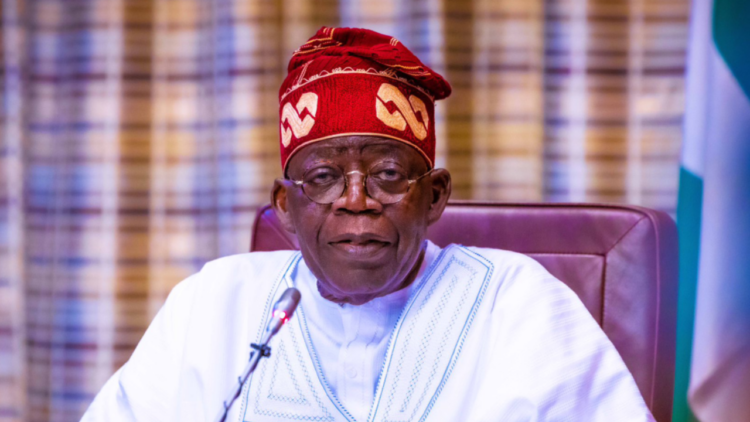
It further recommended a vote of confidence in President Bola Tinubu, the National Security Adviser, the management of Nigerian National Petroleum Company (NNPC) Limited and pipeline surveillance contractors.
The committee also urged PINL to sustain its engagement with host communities and pay attention to the welfare of its surveillance personnel.
The report is to be considered by the relevant committee, with the recommendations forming the basis of its position on the petition.
The development comes amid public debate over pipeline surveillance contracts in the Niger Delta, including questions about contract costs, transparency and the performance of companies engaged to protect oil infrastructure.
On October 9, the Coalition of Civil Society Organisations for Good Governance called on the Federal Government and NNPC to publish details of pipeline surveillance contracts, including payment schedules, the scope of work and performance records.
The coalition said the disclosure would enable Nigerians to assess the contracts and verify claims surrounding the amounts paid to contractors.