

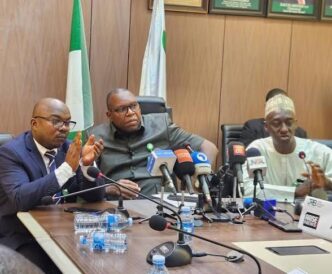
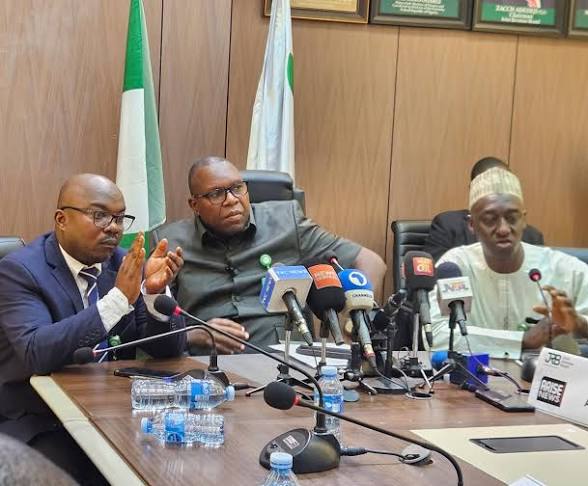
The Joint Revenue Board (JRB) says 21 states have enacted harmonised tax laws aimed at eliminating multiple taxation, curbing illegal revenue collection and reducing the cost of doing business.
Gatekeepers News reports that Olusegun Adesokan, JRB Executive Secretary, disclosed this on Wednesday during a press briefing at the board’s headquarters in Abuja.
Adesokan said the reforms were designed to address overlapping taxes and levies imposed on individuals and businesses, particularly those operating across state boundaries.
He explained that the number of states that had passed the harmonised tax laws increased from 20 to 21 within a day.
“As of yesterday, 20 states had passed it. But by yesterday evening, I understood that we have 21 states now,” Adesokan said.
He listed the states as Kebbi, Kaduna, Zamfara, Ekiti, Enugu, Abia, Anambra, Gombe, Adamawa, Yobe, Borno, Niger, Plateau, Benue, Kogi, Kwara, Nasarawa, Akwa Ibom, Bayelsa, Delta and Ondo.
The JRB executive secretary said the board was collaborating with the police to tackle illegal revenue collectors who mount roadblocks, harass motorists and impose unauthorised charges on transporters and businesses.
According to him, such practices increase logistics costs and create additional challenges for businesses operating across state borders.
Adesokan noted that states were at different stages of implementing the reforms due to legislative procedures and ongoing consultations with relevant stakeholders.
He said the board was working towards greater uniformity in tax administration nationwide by encouraging states to align their laws and practices with the harmonisation framework.
He added that the reforms were also intended to protect small and informal businesses from inappropriate tax demands.
The JRB chief cited categories of small traders and artisans covered by applicable tax exemptions, stressing that tax authorities should concentrate on individuals and businesses with the capacity to pay rather than imposing burdens on low-income earners.
He said the board had issued guidelines to promote uniform personal income tax administration and support the implementation of harmonised tax practices across the states.
Adesokan also highlighted the role of the Office of the Tax Ombudsman in providing taxpayers with a platform to report complaints, including cases of wrongful tax demands.
On the Federal Capital Territory, he said relevant authorities should ensure the implementation of the harmonised tax framework and take action against illegal revenue collections.
The executive secretary stressed that the success of the tax reforms should not be assessed solely by revenue generated but also by their impact on businesses, employment opportunities and shared prosperity.