


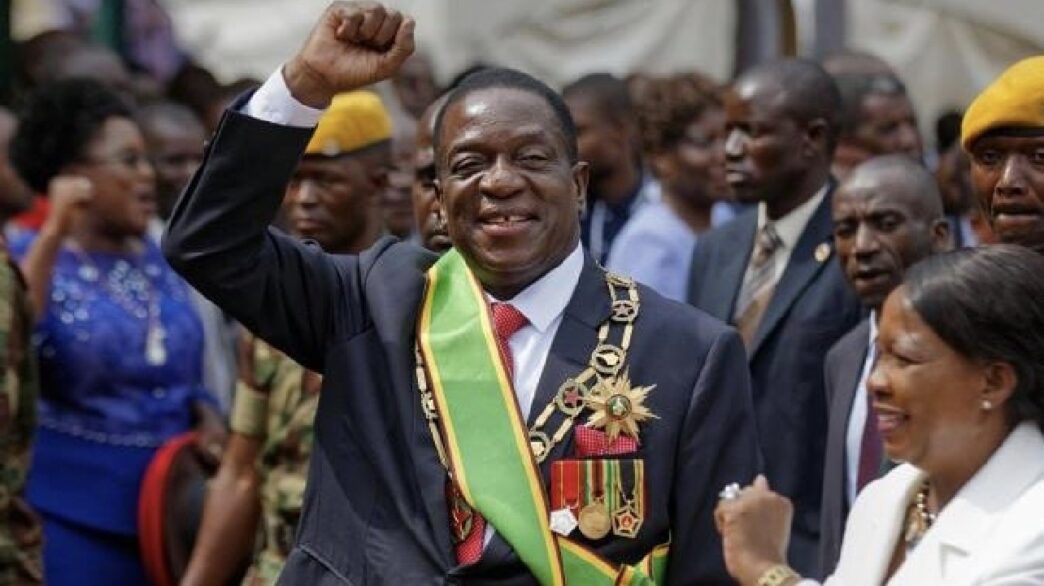
Zimbabwe’s cabinet has approved a draft bill that could pave the way for President Emmerson Mnangagwa to remain in office until at least 2030, sparking fresh debate over the country’s democratic future.
Gatekeepers News reports that under the proposed legislation, the method of electing the president would change from a nationwide popular vote to selection by members of parliament.
The bill also seeks to replace the current five-year term with a seven-year term, allowing a maximum of two terms, a move that could extend Mnangagwa’s stay in power beyond the existing constitutional limit.
Ziyambi Ziyambi, the country’s justice minister, said the government would conduct public consultations before forwarding the bill to parliament for debate and possible passage. He added that the process is aimed at ensuring citizens have the opportunity to express their views on the proposed changes.
Mnangagwa, who is 83 years old, assumed office in 2017 following a military-backed intervention that ended the 30-year rule of former President Robert Mugabe. He later won the 2018 presidential election under the ruling Zanu-PF party and secured a second term in 2023, although opposition parties and international observers disputed the credibility of the polls.
In 2013, Zimbabweans overwhelmingly endorsed a new constitution that introduced presidential term limits, a move widely seen as a safeguard against prolonged rule. The constitution was adopted at a time when Mugabe’s grip on power appeared unshakable, after leading the country since independence from British rule in 1980.
Although the President has publicly played down calls for term extension, the cabinet’s endorsement of the bill has renewed concerns among civil society groups, opposition leaders, and pro-democracy activists, who warn that the move could weaken