
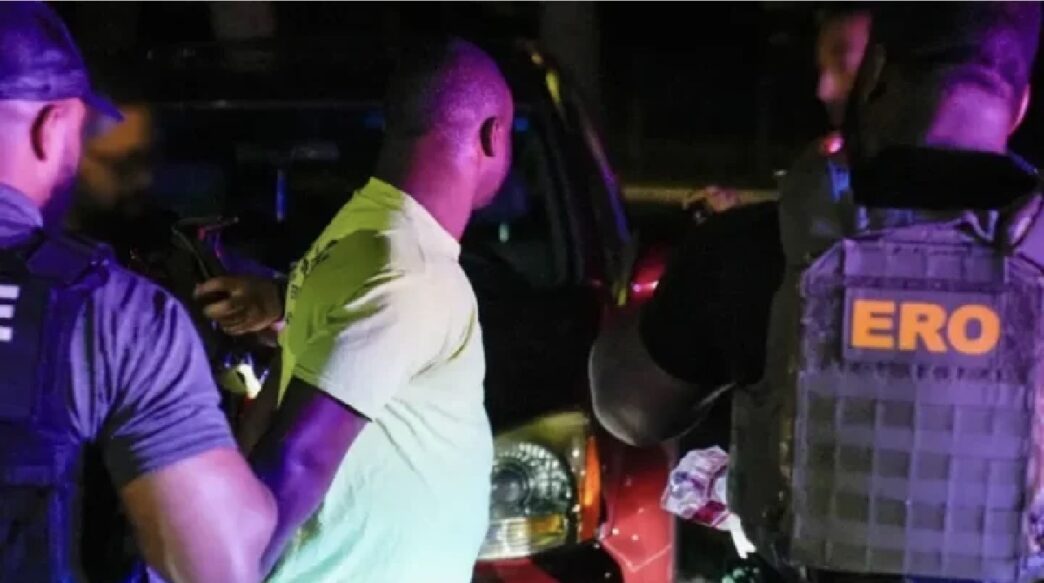
A United States court has handed down a 228-month prison sentence to a Nigerian national for his role in a multi-million dollar romance and business email fraud scheme that targeted victims across several countries.
Gatekeepers News reports that the convict, Leslie Chinedu Mba, 40, was sentenced by US District Judge David Hittner after he pleaded guilty to conspiracy to commit wire fraud and conspiracy to make false statements in immigration documents. The sentencing followed years of investigation by US authorities into an organised fraud network that operated between April 2018 and December 2023.
According to the US Department of Justice, Mba and his associates carried out business email compromise and romance scams that deceived individuals and companies into sending large sums of money to accounts controlled by the group. Prosecutors said the operation began outside the United States before extending into the country.
Investigators explained that members of the network illegally accessed corporate email accounts and redirected legitimate business payments into fraudulent bank accounts. Victims believed they were paying trusted business partners, not knowing the funds were being diverted.
“Ma and others acted as money mules, opening or using existing bank accounts to collect and move proceeds from the fraud,” the US justice department said.
The department further stated, “Additionally, Mba tried to obtain U.S. permanent residency through multiple fraudulent marriages after his initial application was denied and he was ordered to be removed from the country.”
Authorities confirmed that the total financial loss from the scheme reached $4 million. Officials also disclosed that Mba is expected to face removal proceedings after completing his prison term.
Court records show that four Houston residents were earlier convicted in connection with the case. Grace Morisho, Rodgers Kadikilo, and Kristin Smith received prison sentences ranging from 15 to 25 months, while Alexandra Golovko was placed on five years probation.
US officials say romance scams often involve fraudsters building fake emotional relationships online to gain trust before requesting money, while business email compromise schemes target companies by impersonating executives or vendors to redirect payments.