


Nine health workers have been infected with Lassa fever as Nigeria records a surge in cases of the viral disease, with 31 deaths confirmed within the first five weeks of 2026, according to the Nigeria Centre for Disease Control (NCDC).
Gatekeepers News reports that the public health agency disclosed in its latest Lassa fever situation report that 754 suspected infections were recorded nationwide during the period under review, out of which 165 cases were laboratory-confirmed across nine states and 33 local government areas.
The NCDC revealed that the highest burden of confirmed infections was concentrated in five states, accounting for 92 percent of total cases. Bauchi recorded the largest share with 47 percent, followed by Ondo with 18 percent, Taraba with 14 percent, Edo with 8 percent, and Plateau with 5 percent. The remaining 8 percent of cases were reported across four other states.
The report further showed that young adults remain the most affected, with individuals between the ages of 21 and 30 years accounting for the largest proportion of confirmed infections. The age range of patients spanned from one to 74 years, with a median age of 28 years, while males were slightly more affected than females.
According to the agency, 135 confirmed patients are currently receiving treatment in designated centres nationwide, while at least 110 suspected cases are undergoing contact tracing and medical monitoring to prevent further spread.
Despite the current outbreak, the NCDC noted a reduction in both suspected and confirmed cases compared to the same period in 2025, attributing the improvement to heightened surveillance, early detection, and strengthened response mechanisms.
To curb the spread of the disease, the agency said it has deployed high-level response teams to Bauchi State, activated the Incident Management System of the National Lassa Fever Emergency Operations Centre, expanded laboratory testing capacity for faster diagnosis, and intensified advocacy for increased funding to support prevention and control efforts.
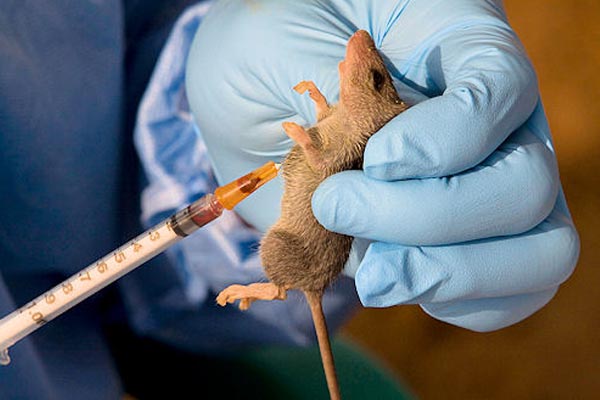
Lassa fever is a highly infectious viral illness endemic in Nigeria and several West African countries. It is primarily transmitted to humans through exposure to food and household items contaminated by urine or faeces of infected mastomys rats. Human-to-human transmission can also occur through contact with bodily fluids, especially in healthcare settings with poor infection control practices.
Health authorities have urged Nigerians to maintain strict hygiene, properly store food, control rodents, and promptly seek medical attention when experiencing symptoms such as fever, weakness, headache, sore throat, vomiting, or unexplained bleeding.