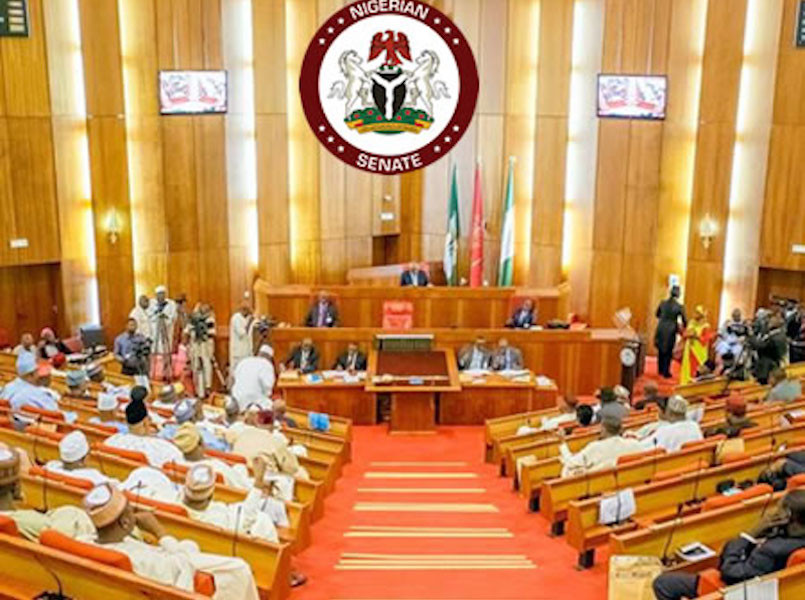


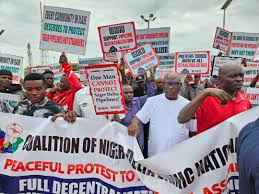
The Coalition of Niger Delta Ethnic Nationalities (CNDEN) has petitioned the Senate of Nigeria, calling for the full decentralisation of pipeline surveillance contracts across oil-producing states.
Gatekeepers News reports that in a petition dated March 31 and addressed to Senate President Godswill Akpabio, the coalition argued that the current centralised framework excludes host communities and key stakeholders, creating divisions and weakening grassroots intelligence critical to pipeline protection.
Tantita Security Services, Maton Engineering Nigeria Limited, and Pipeline Infrastructure Nigeria Limited (PINL) are among the companies currently engaged in pipeline surveillance. CNDEN stressed that its call is not aimed at any specific contractor but seeks to correct structural imbalances in the sector.
“The current centralised framework excludes key stakeholders, fuels division among ethnic groups, and weakens grassroots intelligence needed for effective pipeline protection,” the petition reads. It warned that the situation has triggered a “growing cold war” among stakeholders and ex-agitators, which could escalate into open conflict if unaddressed.
The petition was signed by leaders of major regional youth councils, including:
- Alaye Theophilus, Ijaw Youth Council (IYC)
- Emmanuel Bieh, Ogoni Federated Youth
- Akinfemi Omojuwa, Ilaje Youths Federation
- Mammoth Knight, Ibom Youth Council
- Gabriel Patterson, Obolo Patriotic Leaders Forum (OPLF)
- Usiwo Efezino, Isoko Leadership Youth Forum
- Prince Omoko, Urhobo Youth Council
- Henry Assor, Ikwerre Youth Forum
Speaking to journalists in Abuja after submitting the petition, Alaye said:
“Rather, this petition is driven by the urgent need to correct a structural imbalance in the current pipeline surveillance framework, where responsibilities appear to be concentrated in the hands of a few individuals or entities, to the exclusion of the wider Niger Delta stakeholders and ethnic nationalities.
“More troubling is the emergence of a growing cold war among stakeholders and ex-agitators in the Niger Delta, largely driven by perceived exclusion and inequitable distribution of opportunities tied to pipeline surveillance. If not urgently addressed, this situation poses a serious risk of escalating into open conflict, which could result in widespread vandalism of oil and gas infrastructure and further destabilise the region.”
Emaluji Sunday, national secretary of the United Niger Delta Congress (UNDC), described decentralisation as a matter of justice, noting:
“For too long, our people have suffered the consequences of oil exploration and production without reaping the benefits.
“We insist that the pipeline surveillance contracts should be decentralised and spread out to the states of the Niger Delta region, as our common patrimony, rather than being handed over to one family or individual. This is the only way to ensure fairness, transparency, and equitable distribution of benefits.”
Fejiro Oliver, UNDC convener, added that decentralisation would promote local participation, equitable opportunities, and engagement of regional stakeholders without undermining any operator.