

The Independent National Electoral Commission (INEC) has dismissed artificial intelligence (AI) outputs and social media screenshots as unreliable evidence in the ongoing controversy over alleged X (formerly Twitter) posts linked to its chairman.
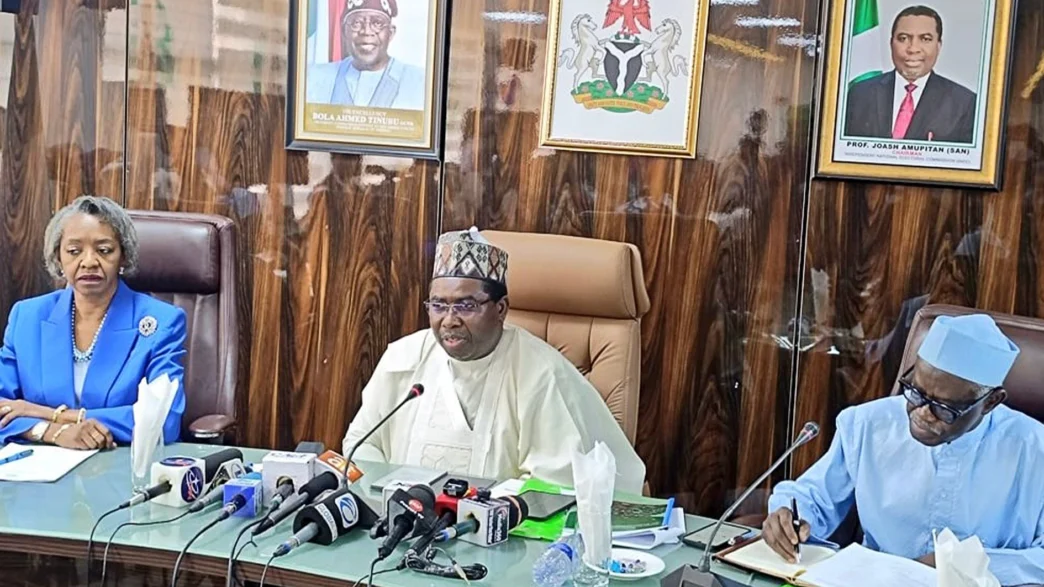
Gatekeepers News reports that speaking on Monday during an interview on Channels Television, INEC’s Director of Information and Communication Technology (ICT), Lawrence Bayode, said the commission would rely strictly on verifiable and forensic evidence to determine the authenticity of the account and the content circulating online.
“We rely on evidence. I will not base my judgments on screenshots. I will not allow that to guide my conclusion,” he said.
Bayode disclosed that the commission has engaged security agencies and independent forensic experts to carry out a thorough investigation into the matter.
“We are taking this further. Beyond referring the issue to security agencies, we are also engaging third-party forensic experts to examine the situation,” he added.
The controversy stems from the resurfacing of a 2023 post by APC National Youth Leader, Dayo Israel, celebrating electoral success in an Igbo-dominated community. Critics later linked the post to an alleged response from an account believed to belong to the INEC chairman, raising allegations of partisanship.
INEC, however, has consistently denied any connection, insisting that its chairman does not operate a personal X account and has never engaged in partisan political commentary on social media.
Bayode described the incident as part of a broader pattern of digital impersonation, warning that it goes beyond a single account.
“What we are seeing is something bigger. This is digital impersonation,” he said. “Anyone who wants to create havoc can use information in the public domain and manipulate it for this kind of activity.”
He also cautioned against relying on outputs generated by AI tools such as Grok, noting that such systems can produce inaccurate or misleading information if not properly verified.
“GROK, like any modern AI system, can hallucinate. Its outputs must be verified before conclusions are drawn,” he added.
Bayode further revealed that INEC is conducting internal technical reviews while continuing preparations for future elections, particularly ahead of the 2027 general elections.
“We are already looking at it in-house, even as we prepare for upcoming elections. If this is already happening now, then we need to ensure we take the necessary steps to address it before then,” he said.
The commission reiterated that the allegations are false and described them as part of a coordinated misinformation campaign. It added that efforts are ongoing, in collaboration with relevant authorities, to identify and prosecute those responsible for the impersonation.