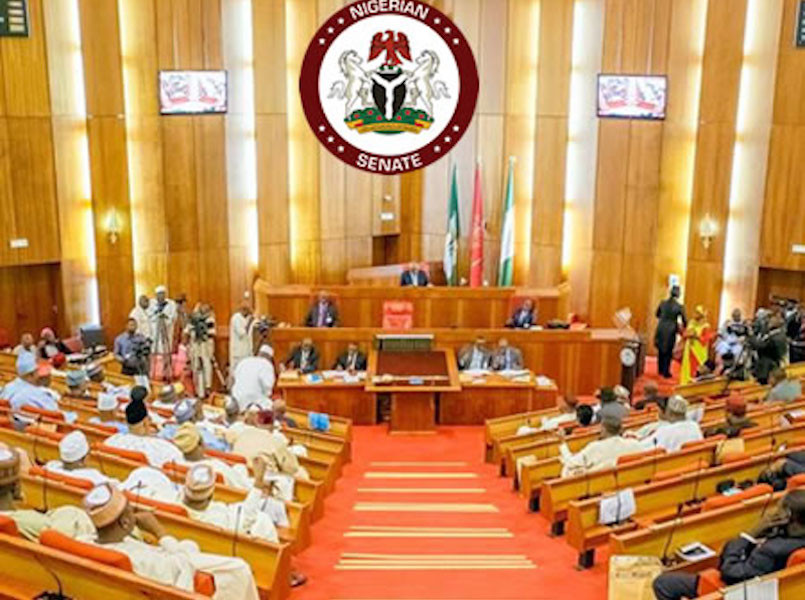
Senate has stepped down consideration of the Chartered Institute of Training and Development of Nigeria (Establishment) Bill 2026 following concerns raised by lawmakers over the clarity, relevance and possible duplication of the proposed institution’s functions.
Gatekeepers News reports that the bill, which was transmitted from the House of Representatives, seeks to establish a professional body for certified trainers and development practitioners in the country.
During plenary, several senators questioned the need for another professional institute in a sector already occupied by training, management and development organisations. Senator Abdul Ningi, who led opposition to the bill, warned against approving legislation simply because it originated from the lower chamber.
He said, “We can’t be emotional because it’s coming from a sister chamber and pass it. The bill doesn’t have the required merit to go through.”
Senate Leader Opeyemi Bamidele, however, urged lawmakers not to discard the proposal outright. Instead, he called for further legislative scrutiny and suggested the creation of an ad hoc committee to determine whether the bill complies with the Senate Standing Rules.
He said, “It is important for inter-chamber reciprocity. It is important that we have such ad hoc committee who can act as a clearing house.”
Senate President Godswill Akpabio backed calls for a detailed review of the legislation, stressing that not every bill passed by the House of Representatives should automatically receive Senate approval.
He said, “It is not everything that comes from the house that must be passed. This bill is amorphous and can make us look somehow before the executive, who will ultimately assent to it.”
Following the debate, Akpabio constituted a special committee headed by Ningi to examine the bill and address the concerns raised by lawmakers. The Senate subsequently suspended consideration of the legislation pending the committee’s report.
Notably, the House of Representatives also moved to revisit the bill after identifying legal and functional gaps in some of its provisions.