

West African Examinations Council (WAEC) has explained the widespread delays and late-night conduct of papers in the ongoing 2026 West African Senior School Certificate Examination (WASSCE).
Gatekeepers News reports that the exam body attributed the disruptions to a combination of a fatal road crash, insecurity concerns, and protests linked to school abductions.
According to reports from WAEC’s Head of Public Affairs, Moyosola Adesina, the examination body said its preliminary investigation showed that the situation was largely triggered by operational setbacks, especially a tragic accident involving its staff during logistics operations.
The council confirmed that three of its officials died in a road crash along the Gombe–Yola highway while transporting sensitive examination materials. The incident, it said, disrupted the movement and timely distribution of question papers across several states.
WAEC also noted that ongoing protests over the abduction of schoolchildren in parts of the country contributed to delays in exam logistics, as movement restrictions and security concerns slowed down delivery of materials to examination centres.
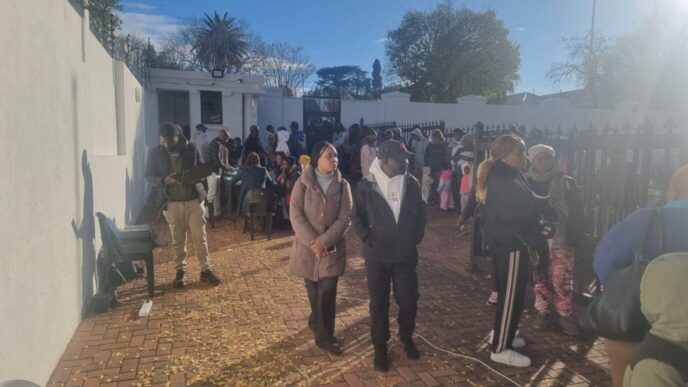
These challenges led to situations where candidates in some states, including Oyo, Lagos, and Osun, reportedly waited for hours before writing their papers. In some centres, examinations stretched into the evening and night, with students relying on torchlights and phone flashlights to complete their work.
The council added that it had already activated emergency contingency measures and temporarily reverted to its traditional distribution timeline in order to stabilise the remaining papers and prevent further disruptions.
WAEC further expressed condolences to the families of the deceased staff, describing them as dedicated personnel who died in the line of duty, while assuring the public that steps were being taken to improve coordination and avoid a repeat of the situation.