

Nigeria’s stock market has emerged as the world’s best-performing equity market in dollar terms this year, overtaking South Korea, as sweeping economic reforms, improved foreign exchange liquidity and stronger investor confidence continue to boost market performance.
Gatekeepers News reports that according to a Bloomberg report published on Thursday, Nigeria’s benchmark stock index has delivered a 67 percent return in dollar terms since the start of the year.
The performance places the Nigerian market ahead of South Korea’s Kospi index, which has gained 66 percent, making Nigeria the top performer among the 92 global stock exchanges tracked by Bloomberg.
Bloomberg reported that South Korea lost its leading position after the Kospi entered a technical bear market this week, declining 22 percent from its June 19 peak as investors reassessed the outlook for artificial intelligence (AI)-related stocks.
The South Korean won has also weakened by five percent against the US dollar this year, ranking as the fourth-worst-performing currency in Asia.
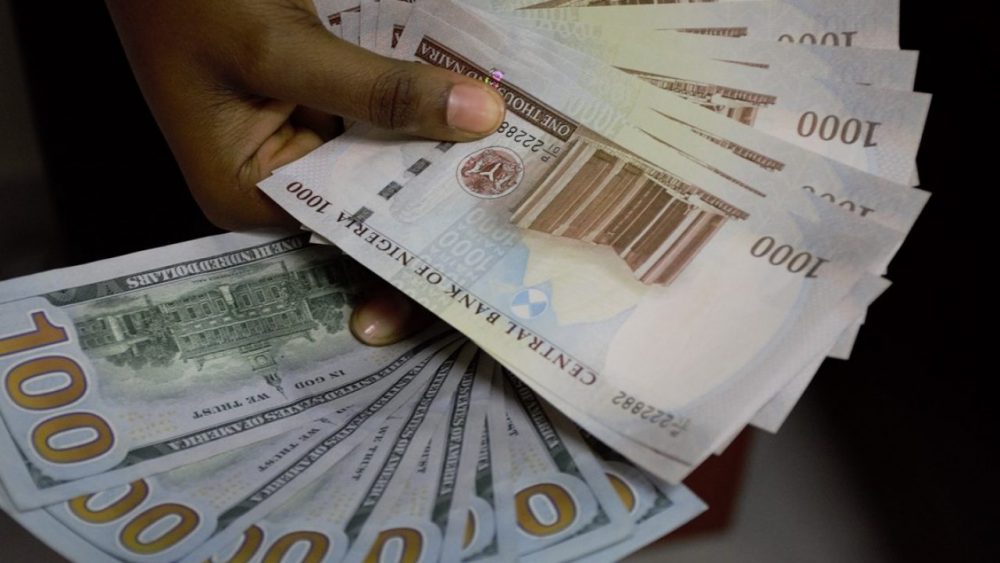
In contrast, Nigeria’s stock market has benefited from economic reforms, stronger oil prices and improved foreign exchange supply, with the naira appreciating by about four percent against the dollar since January.
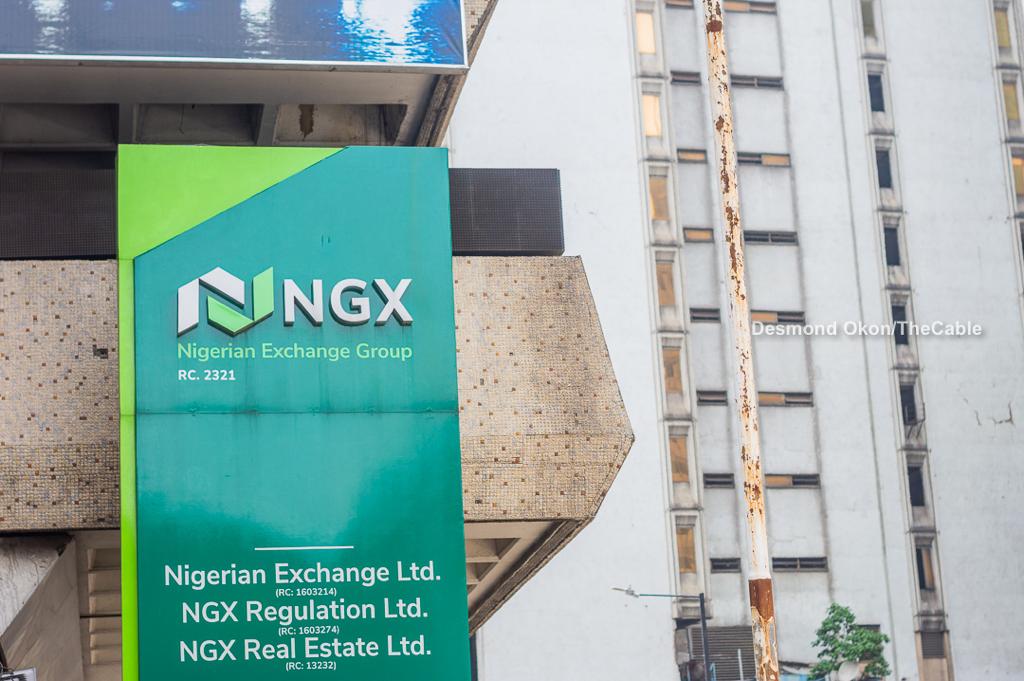
The report noted that financial services companies listed on the Nigerian Exchange (NGX) have been the major drivers of the rally.
Among the standout performers is Fortis Global Insurance Plc, which has recorded a return of about 1,400 percent in dollar terms since the beginning of the year.
Unlike South Korea’s market, where technology and AI-related companies account for much of the gains, Nigeria’s strong performance has been largely supported by domestic macroeconomic reforms and improving economic fundamentals.
Bloomberg also noted that investor sentiment received a further boost after S&P Dow Jones Indices placed Nigeria on its 2027 watchlist for a possible return to frontier market status.
The index provider said the country’s regulatory environment has improved but added that consistent policy implementation and stronger operational resilience would be required before a formal reclassification could be approved.
Meanwhile, FTSE Russell deferred a decision on Nigeria’s return to its Frontier Market Index, saying it needs more time to assess the impact of the country’s transition to a T+1 settlement cycle on international investors.