

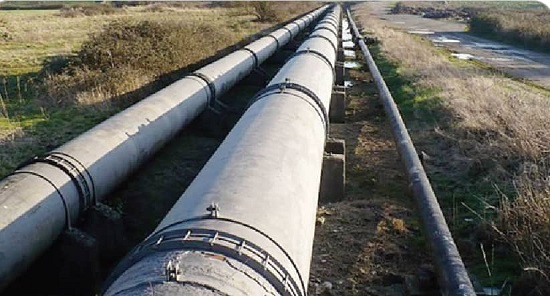
Former Niger Delta agitators have pledged continued support for Pipeline Infrastructure Nigeria Limited (PINL) in maintaining peace and securing oil and gas infrastructure along the Eastern Corridor of the Trans Niger Pipeline (TNP).
Gatekeepers News reports that the stakeholders made the commitment on Sunday during PINL’s August stakeholders’ meeting in Yenagoa, Bayelsa State.
Jacob Braveman, chairman of the First Phase Ex-Agitators Forum, said the group was impressed by PINL’s approach to engaging host communities and other stakeholders.
Braveman, popularly known as “Colonel Braveman”, said the ex-agitators would continue to support efforts to protect oil and gas pipelines and related facilities within PINL’s area of operation.
“We want to guarantee PINL our continued partnership towards the protection of oil and gas pipelines and related facilities within its catchment area,” he said.
He said PINL’s engagement model had contributed to reducing pipeline vandalism and tensions among host communities along the eastern corridor.
Braveman added that the ex-agitators would use their knowledge of the creeks and waterways where oil and gas infrastructure are located to strengthen surveillance efforts.
“Because of that model, there is a relatively low rate of vandalism and fewer worries from host communities,” he said.
“Our knowledge of the creeks and waterways remains an advantage, and we will continue to deploy that experience to support the protection of these critical assets.”
He said sustained collaboration among stakeholders would help Nigeria increase crude oil production and meet or exceed its Organisation of the Petroleum Exporting Countries (OPEC) quota.
Bubaraye Dakolo, chairman of the Bayelsa State Traditional Rulers Council and Ibenanowei of Ekpetiama Kingdom, also commended PINL for its contributions to peace and stability in the Niger Delta.
Dakolo praised the company’s stakeholder engagement, community outreach and scholarship programmes, saying the initiatives had strengthened its relationship with host communities.
“PINL has demonstrated that meaningful engagement with stakeholders can promote peace and stability,” he said.
The monarch, however, cautioned against third-party interference in the management and protection of oil pipelines.
He urged PINL not to be distracted by the activities of companies which, according to him, had failed to adequately involve host communities and other stakeholders.
Akpos Mezeh, PINL’s general manager of community and stakeholder relations, said operations along the TNP and Eastern Gas Network had remained largely uninterrupted in recent months.
Mezeh attributed the development to cooperation among security agencies, contractors and host communities.
“World-class energy infrastructure can only thrive where pipelines are secure, communities are peaceful, and stakeholders work together,” he said.
“We sincerely appreciate your continued partnership and unwavering support in protecting the Trans Niger Pipeline, the Eastern Gas Network, and other critical national assets.”
Mezeh said the proposed African Atlantic Gas Pipeline, which is designed to transport about 30 billion cubic metres of gas annually from Nigeria to Morocco, would also depend on security, cooperation and stability in host communities.
According to him, the project recently received further institutional backing through an intergovernmental agreement signed by ECOWAS heads of state during a summit in Freetown, Sierra Leone.
Robert Igali, director-general of the Bayelsa State Centre for Youth Development, also commended PINL’s community-focused policies.
Akponime Omojevwhe, a representative of the Project Monitoring Office of the Nigerian National Petroleum Company Limited (NNPCL), thanked stakeholders for their collaboration with PINL.
Omojevwhe said the absence of reported infractions and vandalism during the period under review reflected the strong partnership between the company and its stakeholders.
He stressed that continued cooperation among stakeholders remained essential to increasing oil and gas production and supporting Nigeria’s economic development.