

Nigeria has secured re-election to the Council of the International Telecommunication Union (ITU), retaining its seat for another four years, from 2027 to 2030.
Gatekeepers News reports that the election took place on Monday at the ongoing ITU Plenipotentiary Conference in Doha, Qatar, where representatives of the organisation’s 194 member states voted for council members.
Nigeria secured 121 votes, according to reports, guaranteeing its continued representation in the governing body of the United Nations agency responsible for information and communication technologies.
The ITU Council oversees the organisation’s activities, policies and strategies between Plenipotentiary Conferences. It also manages working groups and prepares strategic and financial plans for consideration at subsequent conferences.
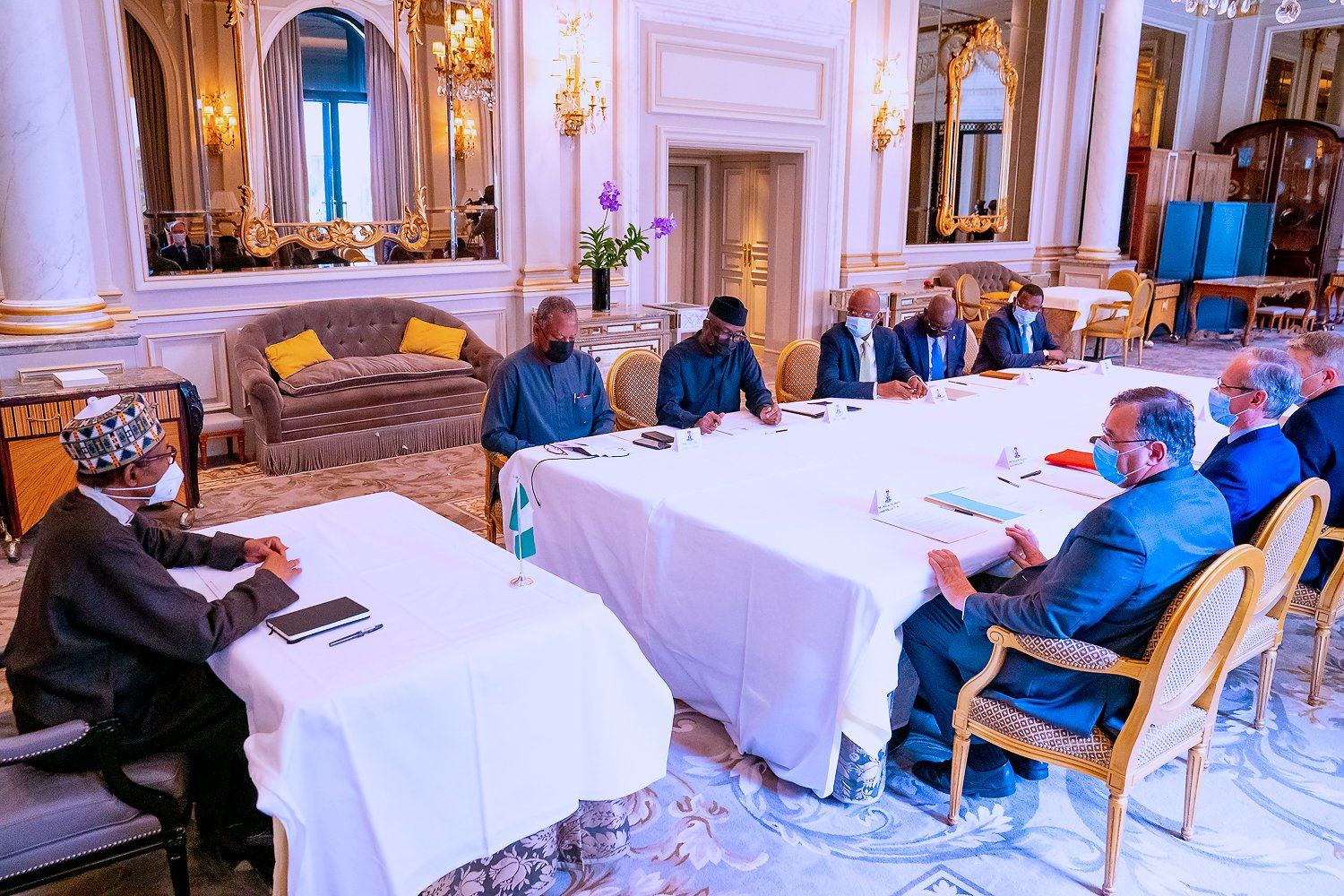
Nigeria’s participation in the election was coordinated by the Minister of Foreign Affairs, Bianca Odumegwu-Ojukwu, while the Minister of Communications, Innovation and Digital Economy, Bosun Tijani, led the country’s delegation.
Other members of the delegation included Nigeria’s Ambassador to Qatar, Professor Mahmood Yakubu, who served as deputy head of delegation, and the Executive Vice-Chairman of the Nigerian Communications Commission, Aminu Maida.
The country’s Permanent Mission to Geneva, led by Ambassador Innocent Imejuo, also contributed to the re-election effort.
As part of Nigeria’s campaign, Yakubu held a bilateral meeting with China’s Vice Minister of Industry and Information Technology, Jijun Xiong, who led the Chinese delegation to the conference.
Nigeria’s re-election comes as African countries secured 13 seats on the 48-member ITU Council for the 2027–2030 term.
Other African countries elected include Algeria, Côte d’Ivoire, Egypt, Ghana, Kenya, Mauritius, Morocco, Rwanda, Senegal, South Africa, Tanzania and Tunisia.
Established in 1865 and headquartered in Geneva, Switzerland, the ITU coordinates the global use of radio-frequency spectrum and satellite orbits, develops international telecommunications standards and promotes digital connectivity.
Nigeria became a member of the organisation in 1961.
The renewed mandate will enable the country to participate in international decisions on telecommunications policies, spectrum management, satellite communications, digital infrastructure and broadband connectivity.