

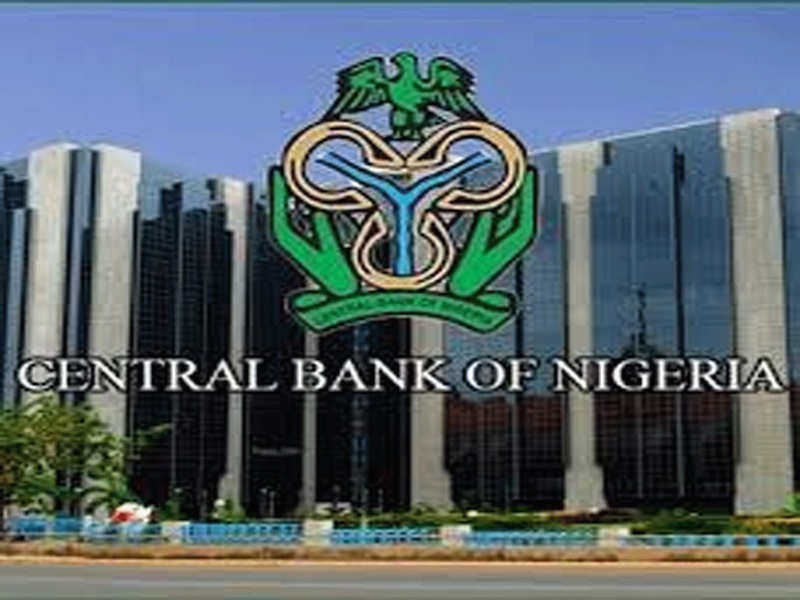
Central Bank of Nigeria (CBN) has retained its benchmark interest rate at 23 per cent, citing a moderation in headline inflation over the past five consecutive months.
Gatekeepers News reports that CBN Governor, Olayemi Cardoso, announced the decision on Tuesday, November 24, 2026, following the conclusion of the Monetary Policy Committee’s 308th meeting in Abuja.
The committee also retained the asymmetric corridor around the Monetary Policy Rate at plus 50 and minus 300 basis points.
Similarly, the Cash Reserve Ratio for deposit money banks was maintained at 45 per cent, while merchant banks retained 16 per cent. The CRR on non-Treasury Single Account public sector deposits also remained at 75 per cent.
Cardoso said the committee observed that the continued moderation in headline inflation reflected the impact of sustained exchange rate stability and improved monetary policy transmission.
He, however, noted that prevailing economic challenges had slowed the pace of moderation in price pressures, making it necessary to maintain the current monetary policy stance.
The governor also warned that increased spending during the festive season and election-related activities could raise aggregate demand and put additional pressure on prices.
According to the National Bureau of Statistics, Nigeria’s headline inflation declined to 14.06 per cent in October 2026, from 14.63 per cent in September.
Core inflation also dropped to 10.78 per cent from 12.95 per cent, while food inflation eased to 19.13 per cent from 19.59 per cent within the same period.
The MPC expressed confidence that continued exchange rate stability and improved food supply during the harvest season would further support the decline in inflation.
The decision follows the committee’s September meeting, where it reduced the benchmark interest rate from 26.5 per cent to 23 per cent, marking a 3.5 percentage-point cut.
The latest decision means CBN has maintained the 23 per cent rate as it seeks to sustain the progress made in controlling inflation and stabilising the economy.