

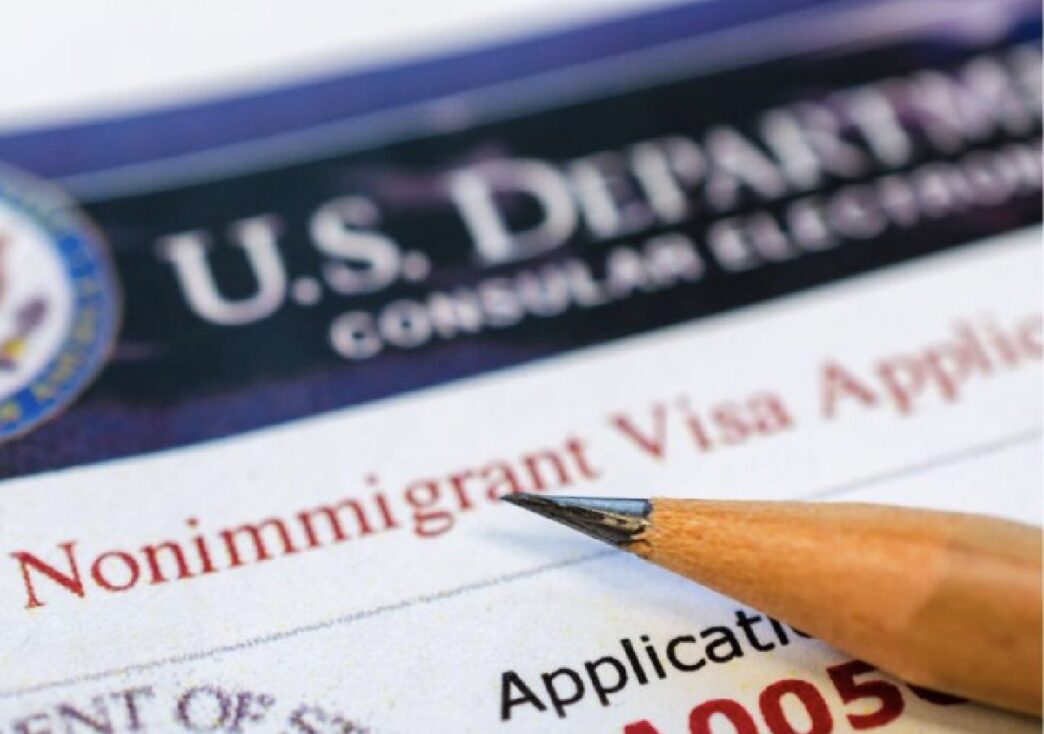
The United States is moving toward a new rule that would require millions of travellers entering the country under the visa-free system to provide their social media details from the past five years.
Gatekeepers News reports that the department of homeland security announced the proposal in a public notice ahead of its appearance in the Federal Register.
US Customs and Border Protection explained that the electronic system for travel authorisation will be updated to make social media disclosure compulsory, not optional as it previously was.
The agency said the move is part of wider security adjustments linked to Executive Order 14161, signed in January 2025, which directs federal agencies to strengthen checks on potential foreign threats.
In the notice, the agency stated that “the data element will require ESTA applicants to provide their social media from the last 5 years.” Officials said this will help confirm identities, reduce fraudulent entries, and improve the detection of possible security concerns.
The proposed update also includes additional information requirements. CBP plans to request email addresses used in the last decade, phone numbers used in the past five years, IP addresses, photo metadata, extended family details, and various biometric markers such as facial data, fingerprints, iris scans, and DNA. DHS said this expansion will bring the system in line with new federal biographic-data standards introduced in April.
Another part of the plan is the shutdown of the ESTA website, meaning all future applications would be processed only through the mobile app.
The Visa Waiver Program, which allows travellers from 40 countries to enter the US without a visa, receives more than 14 million ESTA submissions each year, and the new requirements are expected to increase the amount of time travellers spend completing the process.
DHS has opened a 60-day window for public comments on the proposal, including the mandatory social media rule. If adopted, the change would represent one of the biggest expansions of digital identity and social-media screening in the US immigration system.