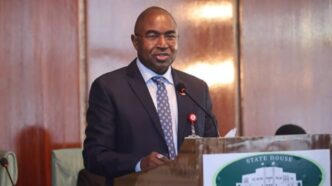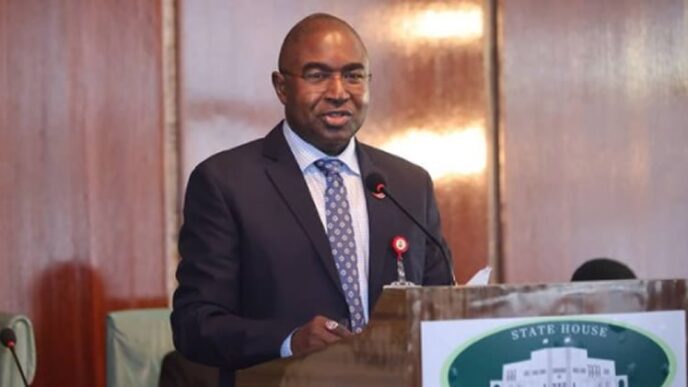


Abuja – Husseini Yusuf, Chief Judge of the Federal Capital Territory (FCT), has inaugurated the Area Council Election Tribunal ahead of the February 21, 2026, council polls.
Gatekeepers News reports that speaking at the ceremony on Monday in Abuja, Yusuf described the inauguration as “a solemn constitutional moment” with direct implications for democratic governance at the grassroots.
“Today’s inauguration of the Area Council Election Tribunal is not a routine administrative exercise,” he said. “It is a solemn constitutional moment, bearing directly on the stability of democratic governance at the grassroots and on public confidence in the justice system.”
Yusuf emphasized that area councils represent the tier of government closest to the people, adding that electoral disputes at that level must be resolved “promptly, fairly, and strictly in accordance with the law”.
“Where electoral disputes arise at this level, they must be resolved promptly, fairly, and strictly in accordance with the law; not by speculation, pressure, partisanship, or the sheer volume of public sentiments,” the chief judge said.
He reminded tribunal members that election petitions are sui generis and governed by strict timelines, warning that governance should not be held hostage to prolonged litigation.
“The tribunal being inaugurated today serves as a court of first instance for election disputes relating to the FCT Area Councils,” Yusuf said, stressing that its mandate “is not to confer political advantage, validate public opinion, or serve as a battleground for partisan conflict.”
He charged the panel to base its decisions on properly pleaded issues, credible evidence, established burdens of proof, and binding legal principles, adding:
“Where the law requires strict compliance, it must be strictly applied. Where the law grants discretion, it must be exercised judiciously, transparently, and consistently. Your reasoning must be clear; your findings must be supported by the record; and your conclusions must follow the law, so that even where parties disagree with outcomes, the integrity of your reasoning cannot be fairly impugned.”
Yusuf also urged the tribunal to resist all forms of external influence. “I therefore charge you to maintain strict impartiality in the hearing and determination of all petitions. Resist all external influences, whether subtle or overt, and protect the sanctity of your oath of office,” he said.
He warned political actors, lawyers, and the public against attempts to intimidate the tribunal, emphasizing that courts remain the proper channel for redress.
“Election litigation invites two particularly dangerous temptations: deciding what is politically convenient, or what is popularly demanded. You must yield to neither,” Yusuf cautioned.
The tribunal is chaired by Lateef Abolaji, with Malo Nadoma and Ugbede-ojo Abalaka serving as members.