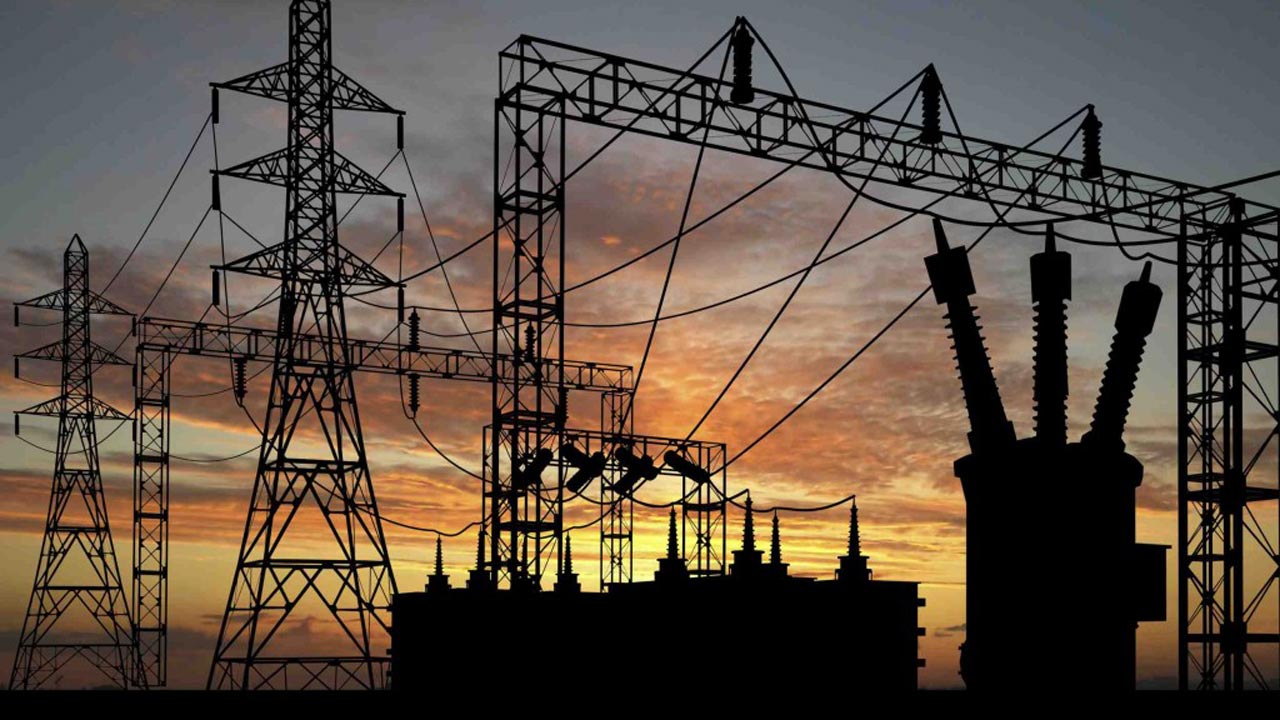
APC Will: Generate, transmit and distribute from current 5,000 – 6,000 MW to at least 20,000 MW of electricity within four years and increasing to 50,000 MW with a view to achieving 24/7 uninterrupted power supply within ten years, whilst simultaneously ensuring development of sustainable/renewable energy.”
Manifesto of the All Progressives Congress, copied from its website on February 2, 2026
The crisis bedeviling the power sector has reached an alarming point. Turn it which way, you will still get the same result, namely that the power crisis in Nigeria has worsened beyond the state that the current government met. What are the issues surrounding power supply in Nigeria? There are numerous challenges that hinder its effectiveness and growth and they seem to overwhelm those in the corridors of power, despite the constant false assurances. These issues are multifaceted and have significant implications for the country’s economy and the daily lives of its citizens. As we speak, virtually every building in Nigeria has a generator, powered with very costly diesel or fuel, with all its attendant hazards and environmental issues. The latest addition is solar panels and inverters. The current situation is to have the three modes of electricity supply with generators as the principal source, solar panels as the alternative source and public power supply as the standby. Here are some of the key issues being bandied as plaguing the power sector.
Inadequate Infrastructure
The generation capacity is abysmally low, meaning that Nigeria’s electricity generation is far below the country’s actual demand. The total installed capacity is around 12,500 MW, but the available generation is often much lower due to maintenance issues, gas shortages, and other technical challenges. Our leaders pretend that all is well, hiding as it were, under the cover of dedicated lines, industrial solar power and huge generators for their homes and offices. We were sold the dummy that some generation companies have been added to boost the capacity of existing ones but things have turned from bad to worse. Not to talk of transmission and distribution, which speak the bold language that the national grid is outdated, with transmission lines often unable to handle the load. The grid is prone to frequent failures, leading to frequent blackouts. Some experts were paraded as coming from Germany to revive the transmission chain but that has also gone the way of previous efforts, resulting in more grid collapses and power outages. Distribution companies (DISCOs) also face challenges in efficiently delivering power to consumers. The transformers and feeder networks are so old and outdated such that with any little storm or rainfall, they stop functioning altogether or supply low current to damage consumer equipment and appliances.
Gas Supply Challenges
Nigeria depends heavily on natural gas for electricity generation in addition to the existing hydro stations. However, issues such as pipeline vandalism, gas flaring, and insufficient investment in infrastructure have led to frequent disruptions in gas supply to power plants. This limits the capacity of power plants to generate electricity. This has been going on for years and those in power dance around it through mindless propaganda till they exhaust their tenure in office and pass the baton to their cronies to continue the rot.
Privatization and Lack of Investment
The privatization of the power sector in 2013 aimed to improve efficiency, but it has been met with mixed results. Many of the private investors who took over distribution and generation companies have struggled with financial instability, poor infrastructure, and a lack of investment in upgrading facilities. There’s also a challenge in attracting foreign investments in the power sector, partly due to the country’s unstable economic and regulatory environment. The cause of this may be due to lack of transparency in the privatization process which allegedly favoured preferred bidders lacking experience, capacity and commitment to birth the desired change.
Debt and Financial Instability
Many electricity distribution companies (DISCOs) and generation companies (GENCOs) are financially distressed, in part because of the lack of a viable tariff system occasioned by non-performance. Power sector debts are high, and the tariff system does not reflect the true cost of power production and distribution. The government has had to intervene with subsidies, but this is unsustainable and continues to drain public funds, apart from the corruption associated with it. The consumers who operate generators at very high costs clamour for cheaper public power supply while the DISCOS and GENCOS are unwilling to invest in stable power supply but desire higher tariffs.
High Losses and Poor Revenue Collection
The power sector suffers from high technical and commercial losses, which means that a significant portion of the electricity produced does not reach the end consumer. This is partly due to poor infrastructure, illegal connections, and weak enforcement of payment for services. Revenue collection is another major problem. Many consumers, especially in rural areas, are unwilling or unable to pay for electricity, and there is a significant culture of non-payment.
Unreliable and Insufficient Power Supply
Frequent blackouts and unreliable power supply have become the norm in many parts of Nigeria. This has a negative impact on businesses, healthcare, education, and daily life. Many Nigerians rely on generators to provide electricity, which adds to the financial burden, especially given the high cost of fuel.
Regulatory and Policy Challenges
The power sector in Nigeria lacks a clear and consistent policy framework. While there have been efforts to create policies aimed at reforming the sector, these policies are often not properly implemented, and there is a lack of long-term strategic planning. The regulatory body, the Nigerian Electricity Regulatory Commission (NERC), faces challenges in enforcing standards, regulating tariffs, and ensuring that power companies meet their obligations.
Corruption and Governance Issues
Corruption at various levels of the power sector has hindered the effective development of the sector. Funds that are allocated for power infrastructure development are often mismanaged or diverted, further stalling progress. Poor governance, lack of accountability, and a lack of political will to tackle the systemic issues in the sector have made meaningful reform difficult.
Energy Access and Rural Electrification
Despite Nigeria’s significant energy potential, a large portion of the population, especially in rural areas, still lacks access to reliable electricity. The government has made efforts at rural electrification, but progress has been slow. The rural areas face unique challenges, including lack of infrastructure, harsh terrain, and low population density, making it difficult for electricity companies to provide power profitably.
Renewable Energy Potential Underutilized
Nigeria has enormous potential for renewable energy generation (solar, wind, hydro), but it has not yet been fully harnessed. Despite the global shift towards clean energy, Nigeria has been slow to invest in renewable sources of power, relying mostly on fossil fuels. The sector also lacks the infrastructure to support large-scale renewable energy projects.
Political Instability and Policy Shifts
Political instability and frequent changes in government policies have created an environment of uncertainty for investors in the power sector. Long-term projects require stability, and frequent changes in leadership or policy directions make it difficult to sustain and implement reforms effectively.
Leadership Indifference
The power sector seems to suffer from a leadership vacuum given that those saddled with the responsibility of revamping it have ended up damaging it. The President is solely accountable to the people of Nigeria for the dwindling fortunes of power supply across the land, having approved the controversial tariff bands for the DISCOS despite obvious incapacity and incompetence. From the way things are, the situation will keep degenerating till the end of the tenure of the present government. It constitutes the greatest breach of trust known to mankind to assume power upon a solemn promise to meet and surpass the electricity expectations of the people and thereafter turn a blind eye to their plight as they battle with thick darkness all over the nation.
Suggested Solutions
As a matter of deliberate policy, the government must engage in greater investment in power generation, transmission, and distribution infrastructure. Modernizing the grid and reducing transmission losses would be key to addressing the issue of unreliable power supply. Nigeria should focus on diversifying its energy mix, including renewable sources like solar, wind, and hydropower, to reduce its reliance on gas. A more robust and transparent regulatory framework, along with better enforcement of policies, could help attract investment and improve service delivery. There is an urgent need for improved governance structures strengthened to ensure that power sector funds are used efficiently in order to reduce corruption and improve sector performance. Decentralization of the power sector to promote mini-grids, solar solutions, and other decentralized models to help address power shortages in rural and underserved areas. Simplified metering process that will erase the bureaucracy and corruption inherent in the present regime. The path to reforming Nigeria’s power sector will be challenging, but it’s critical for the country’s economic development and the well-being of its citizens that it is taken as a priority project. It is a barometer to measure performance and the scorecard so far is abysmally low.
Gatekeepers News is not liable for opinions expressed in this article; they’re strictly the writer’s