

In mid-October 2025, Nigeria buzzed with dangerous whispers. Social media and street conversations exploded with rumors of an attempted coup to oust President Bola Ahmed Tinubu. The air thickened with suspicion, especially after the abrupt cancellation of Independence Day celebrations officially tied to a presidential bilateral meeting and ongoing security operations. Then, on October 18, the Defence Headquarters (DHQ) delivered a firm, unequivocal denial. They labeled the reports “false and misleading,” “malicious,” and designed to sow tension. The arrests of 16 officers? Routine disciplinary matters for “indiscipline and breaches of service regulations,” nothing more. The military reaffirmed absolute loyalty to the Constitution and the Tinubu administration, ending with the resolute declaration: “Democracy is forever.”
Fast-forward to January 27-29, 2026. Screaming headlines shattered the calm: “Military set to court-martial suspects for alleged coup.” The DHQ announced that investigations into those same 16 officers (including a Brigadier General) had concluded. Some faced serious allegations of plotting to overthrow the government actions “inconsistent with the ethics, values, and professional standards” of the Armed Forces. They would now face military judicial panels under the Armed Forces Act.
The nation recoiled in fury. “You said there was no coup, why court-martial them for one now?” The reversal ignited widespread anger, deepened cynicism, and eroded faith in government agencies. How could the military’s word hold weight if it could pivot so dramatically months later? This episode became a textbook case of how not to handle denial in sensitive security matters, exposing the fragile glass of public trust to shattering force.
Lessons from the Battlefield and Boardroom: Real-Life Case Studies
In the tense twilight of February 23, 1981, Spain teetered on the brink of catastrophe. As Lieutenant Colonel Antonio Tejero stormed the Cortes with 200 armed Civil Guard officers, firing shots into the ceiling and taking 350 parliamentarians and ministers hostage, tanks rolled through Valencia under General Milans del Bosch’s command. This brazen “23-F” coup dubbed the Tejerazoaimed to crush Spain’s fragile post-Franco democracy and restore authoritarian rule amid economic chaos, terrorism, and military nostalgia. For 18 nail-biting hours, the nation held its breath, with rebels expecting broader military support to topple the young constitutional order.
The Decisive Broadcast: King Juan Carlos I’s Masterstroke
At 1:14 a.m. on February 24, King Juan Carlos I appeared live on national television, resplendent in the uniform of Captain General of the Armed Forces, the highest military rank. In a brief, electrifying address, he condemned the coup unequivocally, defended the Constitution, disavowed the plotters’ authority, and ordered all forces to uphold law and democracy. “The Crown… will not tolerate, in any degree whatsoever, the actions or behavior of anyone attempting, through use of force, to interrupt the democratic process,” he declared. His words broadcast relentlessly across radios and screens.
The impact was immediate and devastating support evaporated, commanders refused orders, and by morning the hostages walked free to cheers of “¡Viva la libertad!” without a single fatality. This masterstroke of decisive, authoritative communication not only foiled the coup in hours but elevated the monarchy as democracy’s fierce guardian, accelerating Spain’s transition and proving that in the face of tanks and treason, a single, courageous broadcast can bend history’s arc toward freedom.
Unlike Nigeria’s initial denial, President Recep TayyipErdogan swiftly acknowledged the plot, rallying millions to streets in defense of democracy. He framed it as external betrayal (accusing Gulenists and the West), purged thousands, and consolidated power—emerging stronger, though controversially. Quick admission prevented evidence destruction and unified public resolve, per analyses of coup-proofing. Egypt post-2013 military takeover similarly owned its narrative, uniting security forces under perceived revolutionary threat, though at democracy’s cost. Contrast this with Nigeria’s 1993 annulment-era denials or vague post-coup silences: delayed truth fueled prolonged distrust and repeated interventions.
Rebuilding Trust: A Roadmap from the Ashes
To restore credibility, the military and broader government must confront the misstep head-on. Here is a pragmatic, security-conscious framework:
1. Issue an unreserved public apology.
Acknowledge directly and unequivocally that the initial denial misled the public. Human rights voices, including Femi Falana, have rightly called for this. An apology is not weakness. It is strength in its most disciplined form. It signals accountability. It humanizes the institution. It begins to mend the fragile bridge of trust between the military and the citizens it exists to protect.
Institutions, like individuals, lose credibility not because they err, but because they refuse to admit error. A simple and honest admission can disarm suspicion more effectively than a hundred defensive statements:
“We erred in our communication to prioritize immediate national calm. We regret the distrust this caused.”
Those few words can achieve what legalistic explanations never will. They restore humanity to authority.
2. Provide concrete, security grounded reasons for the initial denial.
If full disclosure was impossible at the time, as is often the case in active investigations, then explain why with clarity that respects both national security and public intelligence.
Silence without explanation looks like deceit.
Silence with reason looks like strategy.
The denial may have been operationally necessary to safeguard the integrity of the investigation. Premature confirmation could have alerted conspirators, triggered destruction of evidence, compromised communications and financial trails, enabled suspects to flee, or sparked public panic that undermined intelligence gathering. Discreet surveillance, arrests, and interrogations often require strategic quiet.
When framed this way, the narrative changes fundamentally. The action is no longer perceived as a lie, but as a calculated protective measure.
The difference between distrust and respect often lies not in what was done, but in how well it is explained.
3. Commit to phased transparency and independent safeguards.
Trust cannot survive in secrecy’s shadow for long. It must be cultivated deliberately.
Going forward, adopt a doctrine of measured transparency. Provide sanitized updates during investigations. Offer comprehensive briefings after resolution. Share outcomes without compromising sources or methods.
Structure breeds confidence.
Introducing limited civilian oversight, whether through the National Assembly or vetted independent experts, would further reinforce credibility. Publicly clarifying jurisdictional boundaries, especially around whether coup related treason matters belong exclusively in civilian courts, will reduce speculation and strengthen perceptions of due process.
Transparency is not the enemy of security. Properly managed, it is security’s strongest ally. It prevents rumor from filling the vacuum that silence creates.
4. Demonstrate reform through concrete actions and engagement.
Words alone will not restore confidence. Visible reform will.
If grievances such as promotion stagnation, perceived career injustices, or internal dissatisfaction contributed to the alleged plot, they must be addressed decisively. Transparent promotion systems, improved welfare, and stronger counter intelligence mechanisms signal seriousness more convincingly than press releases ever could.
Beyond internal reform, sustained public engagement is essential. Town halls. The military must not appear as an untouchable fortress, but as a disciplined institution accountable to the people. Because ultimately, legitimacy is not enforced. It is earned.
Conclusion
In matters of national security, perception can be as consequential as reality. A military that communicates poorly may win battles yet lose trust. And when trust erodes, even truth sounds suspicious.
Strength is not demonstrated by secrecy alone. It is demonstrated by responsibility, clarity, and the courage to speak plainly.
Nations are not stabilized by force. They are stabilized by confidence. And confidence begins with honest communication.
What happens next will define more than this plot; it will shape whether Nigeria’s institutions emerge stronger, or if the roar of distrust grows louder still. The choice is now.
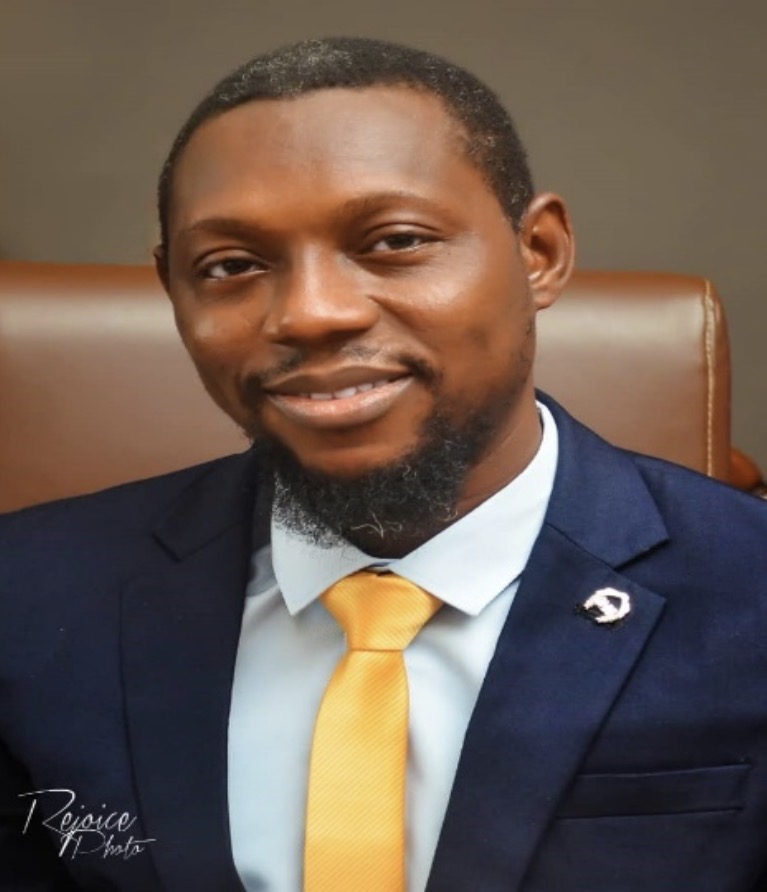
Ishola, N. Ayodele is a distinguished and multiple award-winning strategic communication expert who specializes in ‘Message Engineering’. He helps Organizations, Brands and Leaders Communicate in a way that yields the desired outcome. He is the author of the seminal work, ‘PR Case Studies; Mastering the Trade,’ and Dean, the School of Impactful Communication (TSIC). He can be reached via ishopr2015@gmail.com or 08077932282.
Gatekeepers News is not liable for opinions expressed in this article; they’re strictly the writer’s