

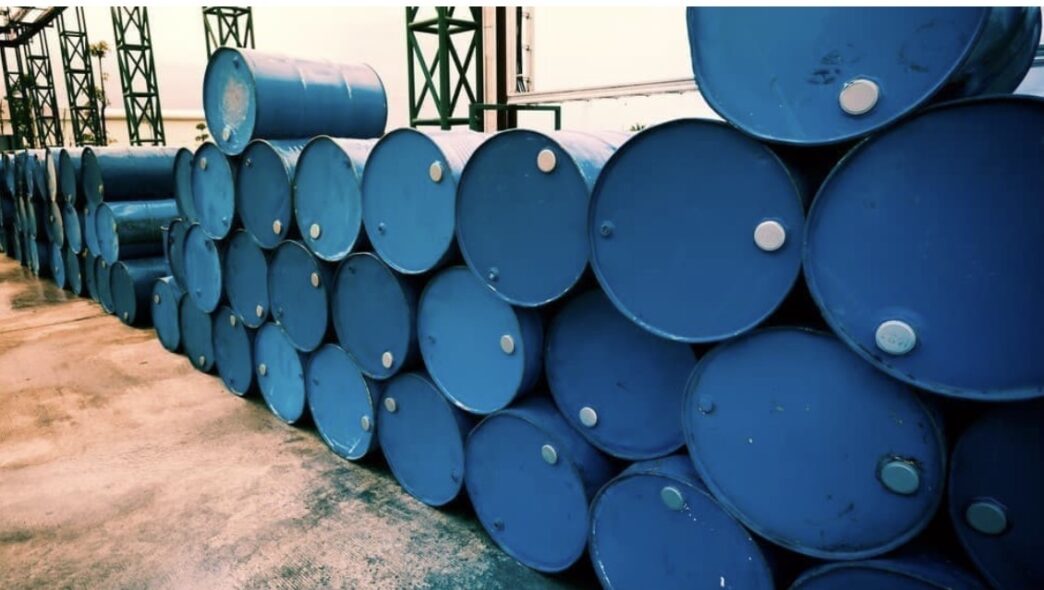
Global crude oil prices surged to $72 per barrel on Friday, hitting their highest level since July 31, 2025, amid rapidly escalating military and diplomatic tensions in the Middle East.
Gatekeepers News reports that Brent crude, the international benchmark, closed at $72.87 per barrel, while the United States West Texas Intermediate (WTI) settled at $67.02 per barrel. Although Brent briefly touched $73.5 during trading, prices eased slightly before market close, still marking a major leap after months of steady decline.
The sharp rise followed indirect nuclear talks between the United States and Iran held in Geneva on Thursday, which traders interpreted as stalling due to Washington’s insistence on zero uranium enrichment by Tehran. Oil prices gained more than one dollar during the negotiations, reflecting growing uncertainty and fears of conflict.
Tensions worsened when United States President Donald Trump ordered a military buildup in the region, expressing disappointment with the pace of diplomatic talks and warning that force is sometimes needed.
The situation deteriorated further on February 28, when the United States and Israel launched joint “pre-emptive” missile strikes on Iran. Tehran responded with retaliatory missile attacks on United States military installations across the Middle East, triggering widespread explosions in Abu Dhabi, Manama, Doha, Kuwait, and Riyadh, Saudi Arabia.
In Bahrain, authorities confirmed that the headquarters of the United States Navy’s Fifth Fleet in Juffair was struck during the attacks, heightening fears of a wider regional conflict.
Energy analysts warned that the crisis could lead to material disruptions in global oil supply, posing what they described as “asymmetric upside risks” for oil prices, especially if critical shipping routes or production facilities are affected.
Market speculation has also grown around Saudi Arabia potentially raising its April crude price to Asian buyers for the first time in five months. The adjustment, reportedly driven by higher demand from India as it seeks alternatives to Russian oil, could increase prices by about $1 per barrel.
Meanwhile, sources told Reuters that the Organization of Petroleum Exporting Countries and its allies are expected to consider raising oil output by 137,000 barrels per day for April during their March 1 meeting, after suspending production increases in the first quarter.
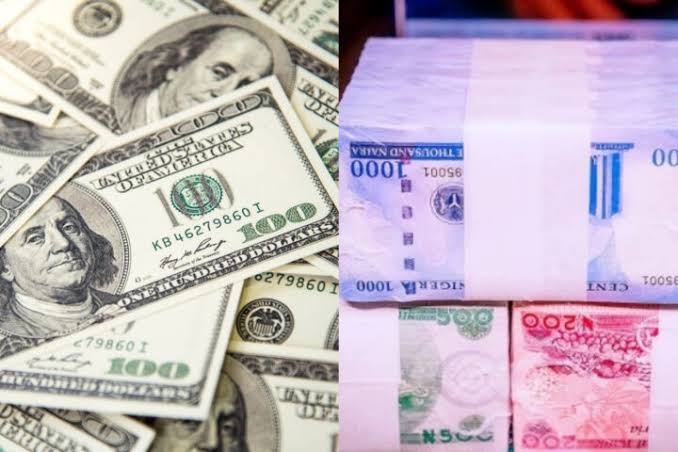
For Nigeria, the rising oil price presents a potential economic boost, as current prices are well above the country’s 2026 budget benchmark of $64.85 per barrel, raising expectations of improved revenue inflows if the rally is sustained.
Market analysts said oil prices are likely to remain volatile in the coming days as investors closely monitor military developments, diplomatic efforts, and production decisions by major oil-producing nations.