


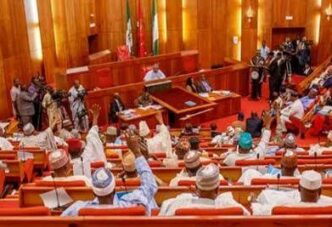
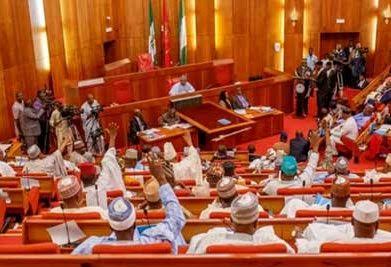
Senate has attributed the country’s worsening insecurity to a growing culture of indiscipline and called on the National Orientation Agency (NOA) to intensify efforts aimed at restoring moral values among Nigerians.
Gatekeepers News reports that the resolution followed the adoption of a motion titled “The Growing Menace of Indiscipline in Nigerian Society,” sponsored by Senator Dachung Mwadkon.
Lawmakers expressed concern over what they described as the increasing prevalence of indiscipline across various sectors of society, including traffic violations, public disorder, vandalism, workplace misconduct, political intolerance, disregard for lawful authority, breaches of protocol at public events, and the reckless use of social media.
They warned that if the trend is not urgently addressed, it could further threaten national security, economic development, educational progress, social stability, and democratic governance.
Leading the debate, Mwadkon said reports from communities, civil society groups, educational institutions, and the media pointed to a disturbing rise in anti-social behaviour, youth violence, and the abuse of public facilities.
According to him, the growing culture of indiscipline has contributed to rising insecurity, weakened institutions, erosion of societal values, and declining public confidence in government.
The senator noted that the causes of indiscipline are complex and include inadequate civic education, poor parenting, youth unemployment, poverty, peer influence, weak law enforcement, abuse of authority, and a prevailing culture of impunity.
Mwadkon cautioned that failure to tackle the problem could lead to deeper social disintegration, increased criminal activities, and political instability.
Contributing to the debate, Senator Anthony Ani described indiscipline as one of the nation’s most pressing challenges.
“This motion is timely, multifaceted, and cuts across all aspects of human endeavours. Indiscipline has been the bane of many societies,” Ani said.
“I agree totally that discipline is a fundamental requirement for national development, social cohesion, and public order. Human existence is anchored on discipline and proper conduct. The major problem we have in the society today is indiscipline.”
Deputy Senate President Jibrin Barau stressed that discipline remains essential for both personal success and national development.
“If you are disciplined, it is a sure way of being successful in life. It involves all aspects of our life, that is, becoming upright. It is all about civic duty,” Barau said.
Also speaking, Senate President Godswill Akpabio described indiscipline as a major driver of criminality, banditry, and other social vices across the country.
“Indiscipline is the bedrock of all the societal behaviours that we have. Discipline should start from the homes,” Akpabio said.
“Discipline should be part and parcel of everyday life. It is the root cause of the problems in the country.
“When our children are disciplined, I believe strongly they will not go into criminality, banditry, and they will shun all sources of vices that will bring reproach to Nigeria and their families.”
Akpabio urged the NOA to strengthen public enlightenment campaigns promoting discipline, respect for rules, and responsible citizenship, particularly among children and young people.
The Senate also called on the federal government to develop and implement a comprehensive national reorientation and civic responsibility programme aimed at fostering patriotism, integrity, and responsible citizenship.
Lawmakers further urged the government to expand youth development initiatives, skills acquisition programmes, employment opportunities, and social intervention schemes to address some of the underlying causes of indiscipline.
In addition, the upper chamber called on public office holders, political parties, government institutions, and community leaders to demonstrate exemplary conduct that promotes accountability, integrity, and responsible leadership.
The Senate also urged state governments, local government councils, traditional rulers, religious organisations, educational institutions, and civil society groups to intensify campaigns promoting moral values, civic responsibility, and respect for lawful authority.