

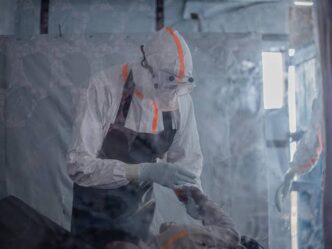
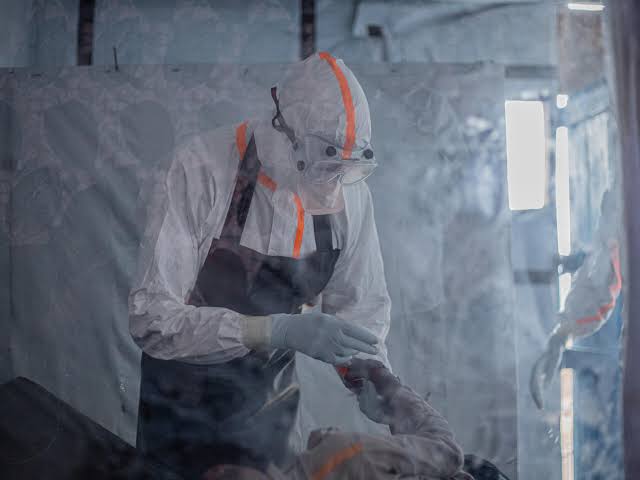
Singapore-based Hilleman Laboratories has announced plans to develop what the World Health Organization (WHO) describes as the “most promising” vaccine candidate against the Bundibugyo strain of Ebola, as the Democratic Republic of Congo (DRC) battles one of the deadliest outbreaks on record.
Gatekeepers News reports that the Bundibugyo strain, which currently has no approved vaccine or treatment, has claimed nearly 1,500 lives in the conflict-hit Central African nation, prompting an urgent global effort to develop effective countermeasures.
WHO experts have identified a single-dose vaccine based on the recombinant vesicular stomatitis virus (rVSV) platform as the leading candidate because it uses the same technology as Ervebo, the only licensed Ebola vaccine, which protects against the Zaire strain of the virus.
Hilleman Laboratories said on Thursday it would advance development of the rVSV Bundibugyo vaccine to enable human clinical trials.
The organisation, a joint venture between US pharmaceutical company MSD—known as Merck in North America—and the UK’s Wellcome Trust, said the project aims to accelerate the availability of a vaccine for the emerging strain.
“We’re racing to develop a Bundibugyo vaccine and make doses for clinical trials,” Hilleman Laboratories Chief Executive Officer Raman Rao said in a statement.
According to the organisation, MSD, which developed and manufactures Ervebo, “will serve as a technical adviser” by providing “expertise on the rVSV platform.”
The announcement was made jointly with the Coalition for Epidemic Preparedness Innovations (CEPI), which is funding the rVSV candidate alongside other Ebola vaccine research initiatives.
If the vaccine proves successful during clinical testing and receives regulatory approval, CEPI and Hilleman said they hope to “ensure rapid, affordable supply of doses in outbreak-affected countries and low- and middle-income settings.”
Unlike Ervebo, which requires ultra-low temperature storage, the new Bundibugyo vaccine is being designed to remain stable for months in standard refrigeration, a feature expected to make it more affordable and easier to distribute in remote communities.
In May, WHO experts cautioned that it would likely take seven to nine months before the vaccine could be assessed in clinical trials.
The vaccine works by using a modified vesicular stomatitis virus—an animal virus—as a vector to deliver a Bundibugyo Ebola protein to the human immune system, prompting the body to mount a protective immune response.
The latest development comes just one week after the first volunteer received a dose of a separate Bundibugyo vaccine candidate developed by Oxford University as part of a fast-tracked clinical trial.
The ongoing outbreak in the DRC has become the third-largest Ebola epidemic ever recorded. Since May, health authorities have confirmed 3,360 infections, including 1,487 deaths, with the northeastern Ituri province remaining the epicentre of the crisis.
Neighbouring Uganda has also recorded 20 confirmed cases, including two deaths.
Ebola is a severe viral haemorrhagic fever that spreads through close contact with infected individuals or exposure to contaminated bodily fluids.